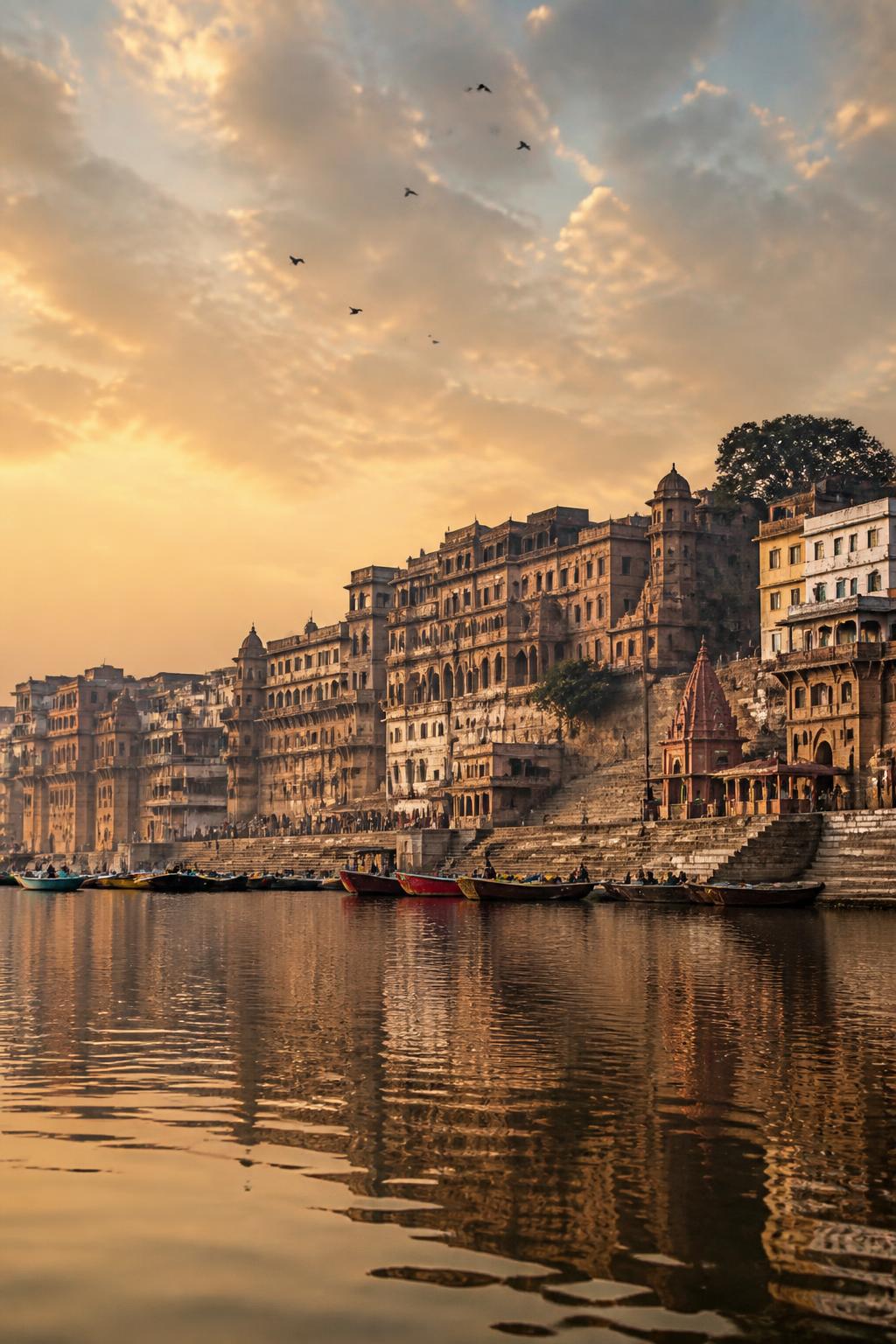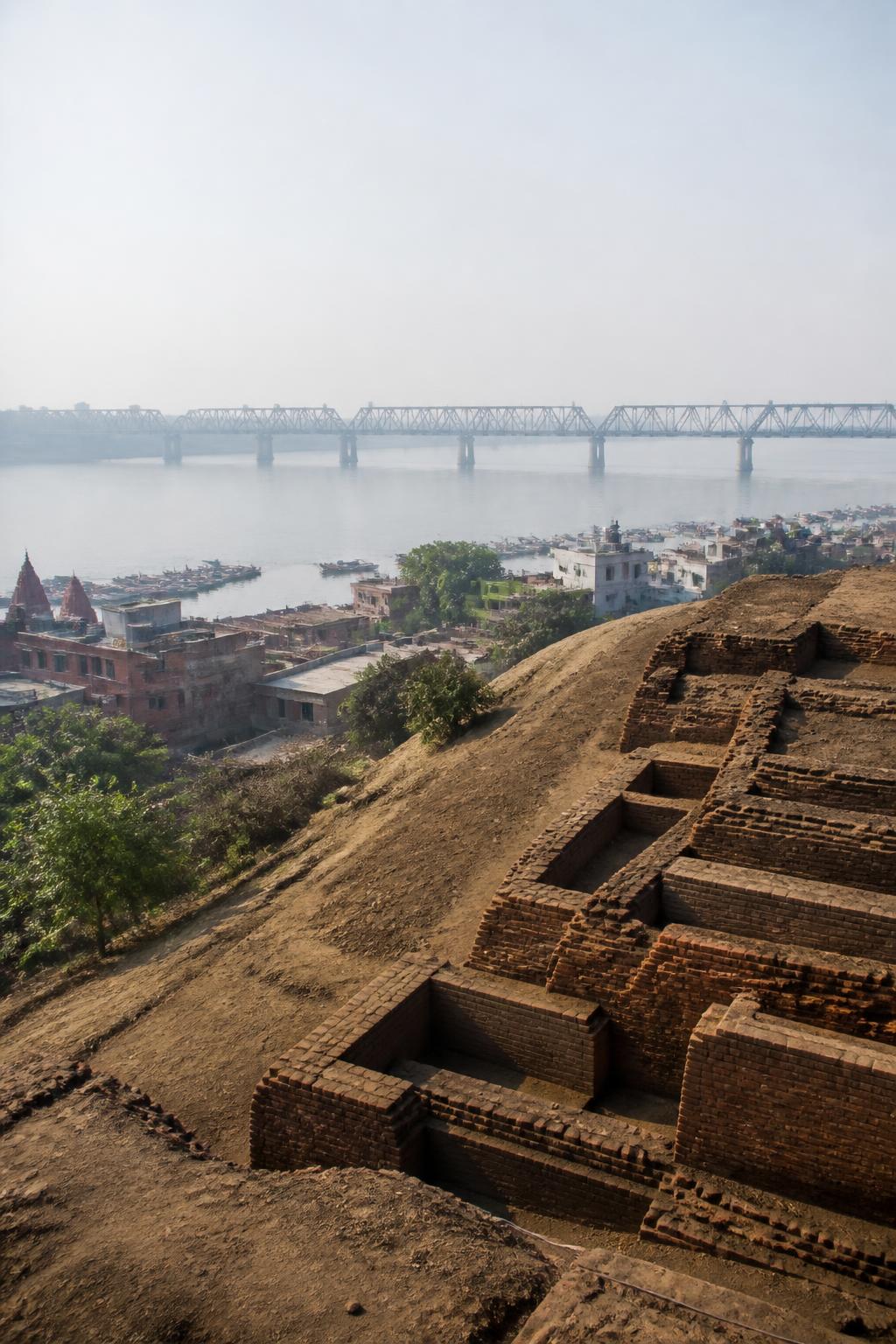
A familiar riverside landscape, with an older city below
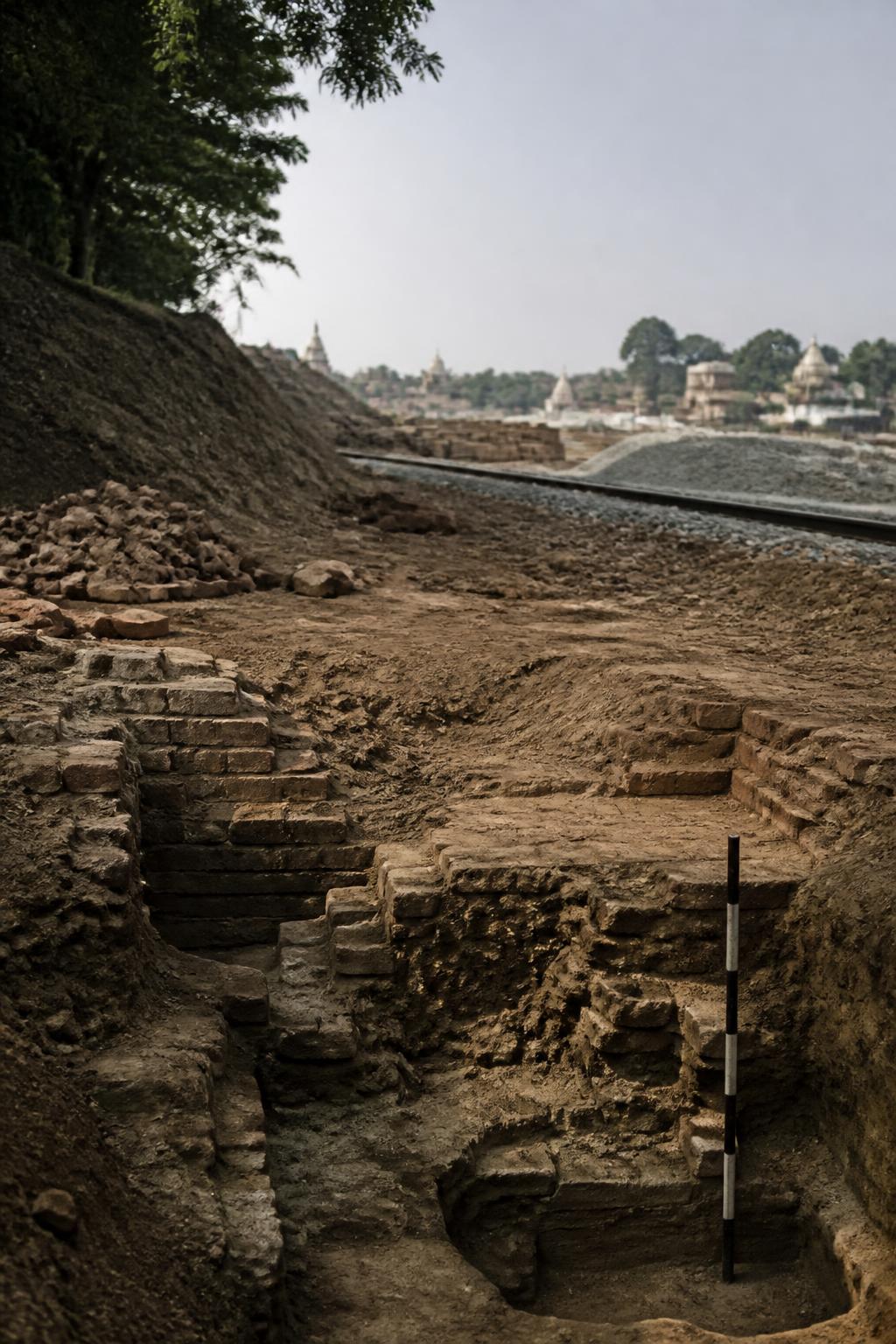
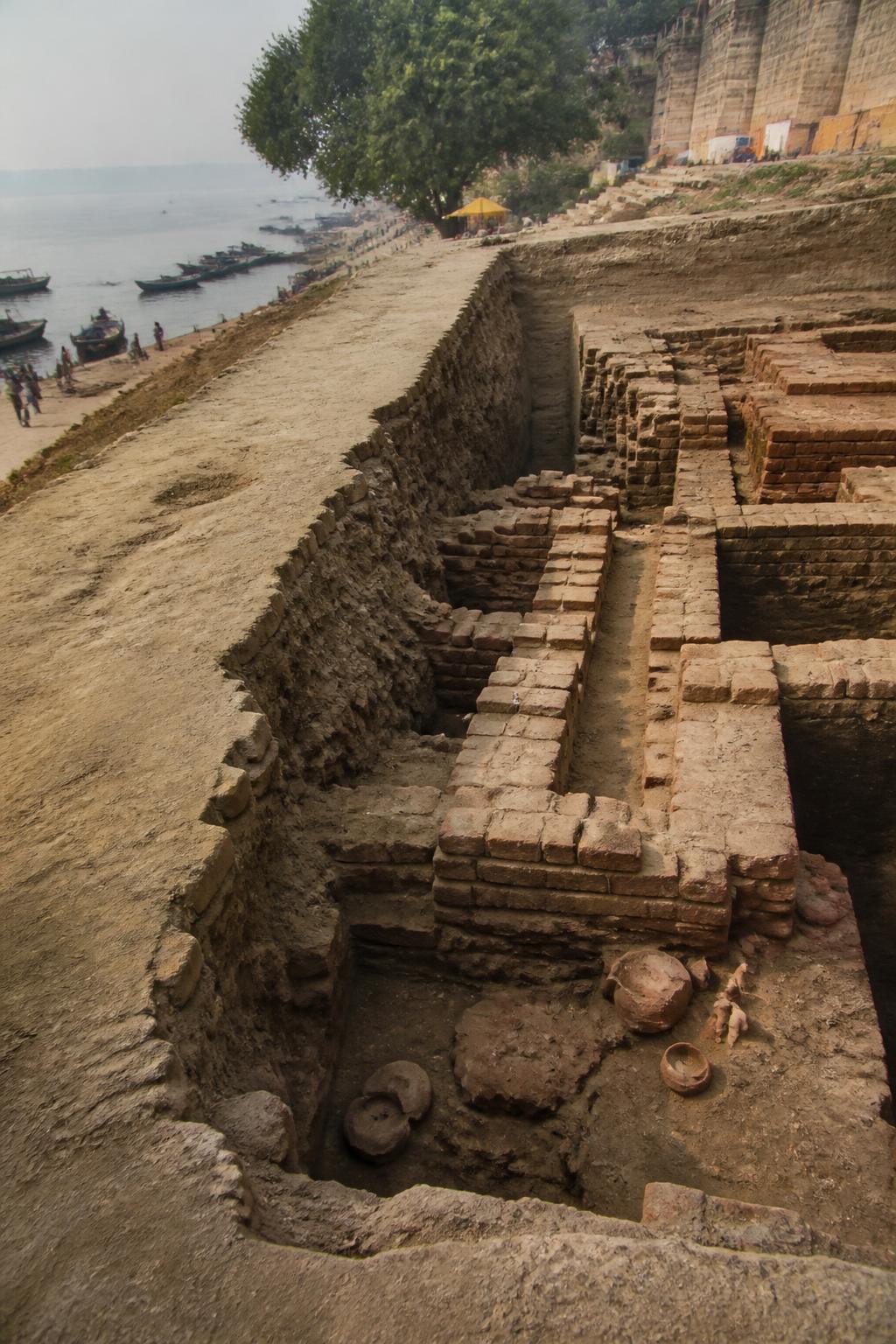
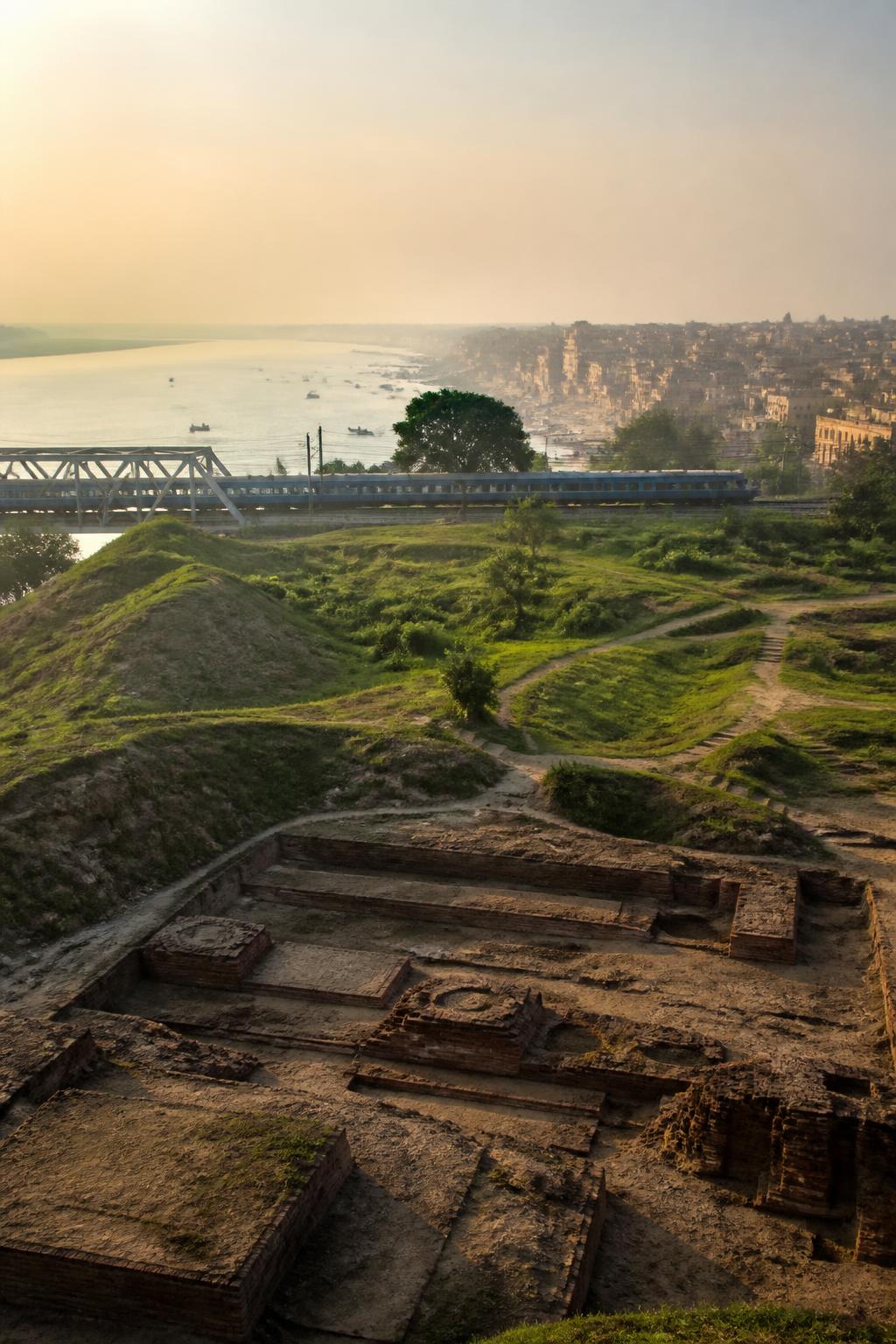
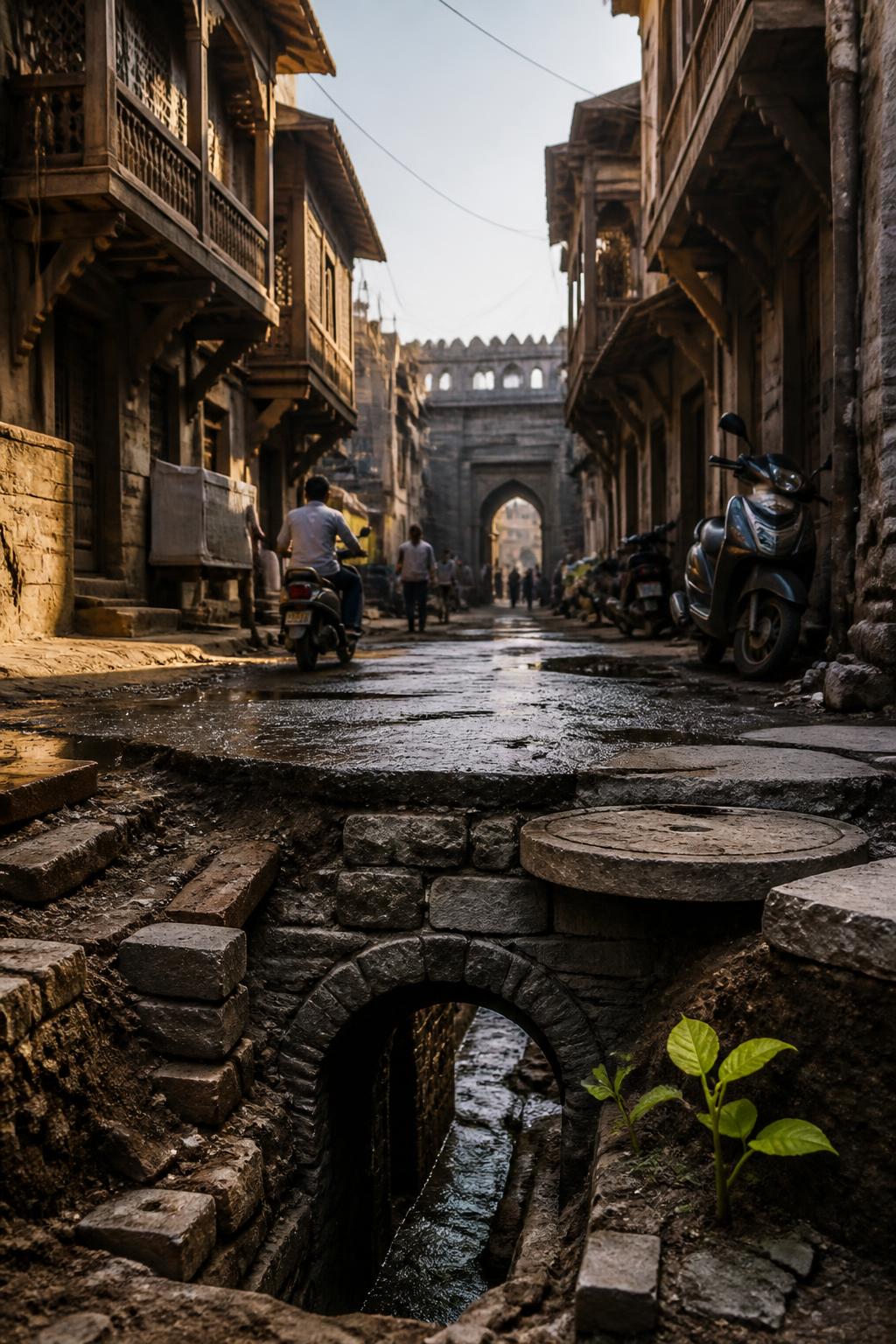
Today, Rajghat lies near Malviya Bridge and the confluence of the Ganga and Varana, north of Varanasi’s present-day central city. Its archaeological mounds sit within a landscape that is still part of the living city. But beneath and around this modern setting are layers of an older urban settlement. That contrast is what makes Rajghat so revealing: the site does not present the past as a separate ruin, isolated from everyday life. It shows how an ancient city occupies the same broader landscape as today’s railway lines, riverbanks and neighbourhoods.
The buried settlement surfaced during railway work
The discovery began in 1940, when a railway contractor was digging spoil earth for the extension and remodelling of Kashi Railway Station. Ancient remains appeared during that work, prompting archaeological attention. This was not initially a planned excavation designed to locate ancient Varanasi. The railway project accidentally exposed evidence that the ground around Rajghat held much more than soil. The episode gives the site an unusual beginning: a modern infrastructure project opened a window onto an older city.
Brick blocks and lanes point to urban life
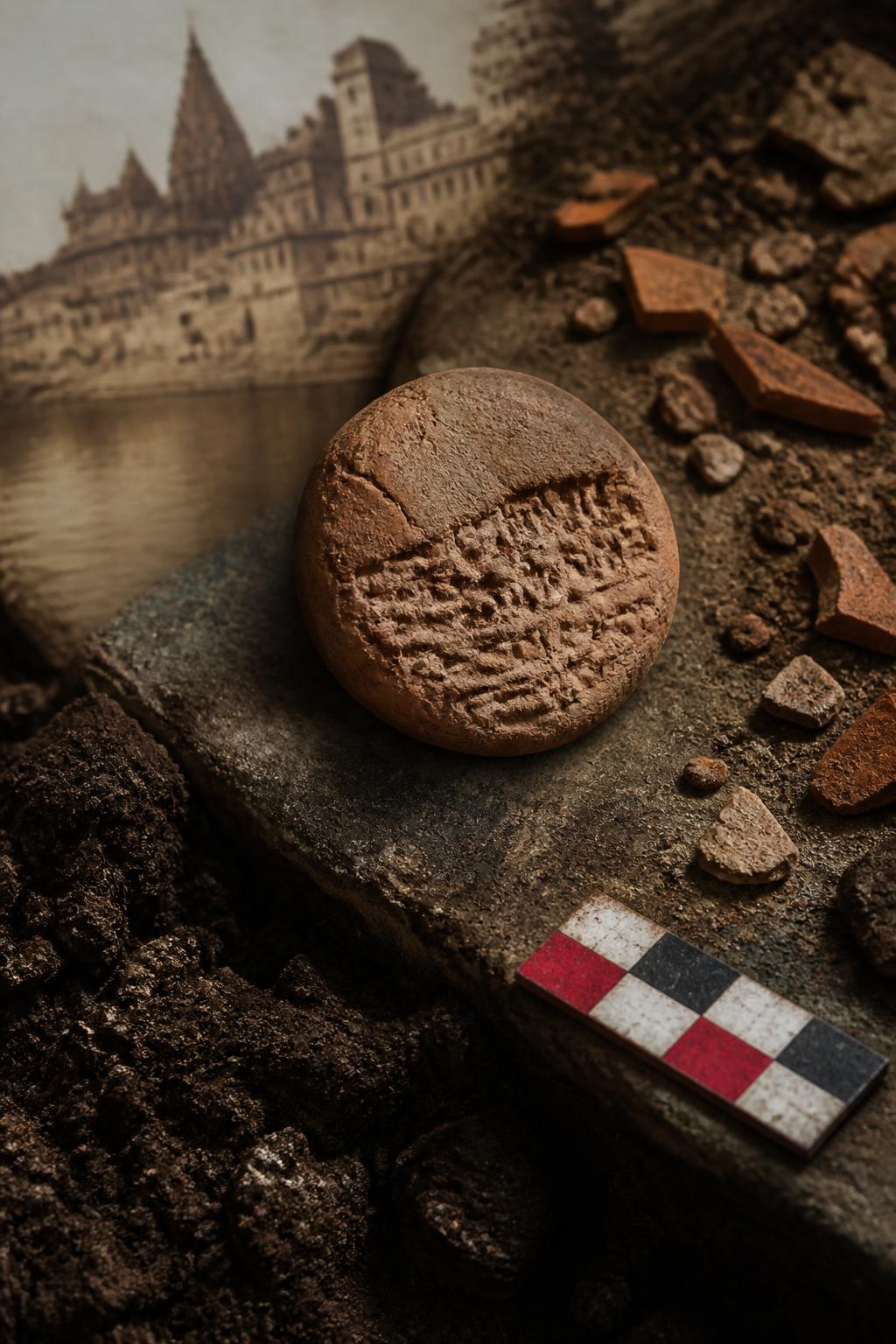
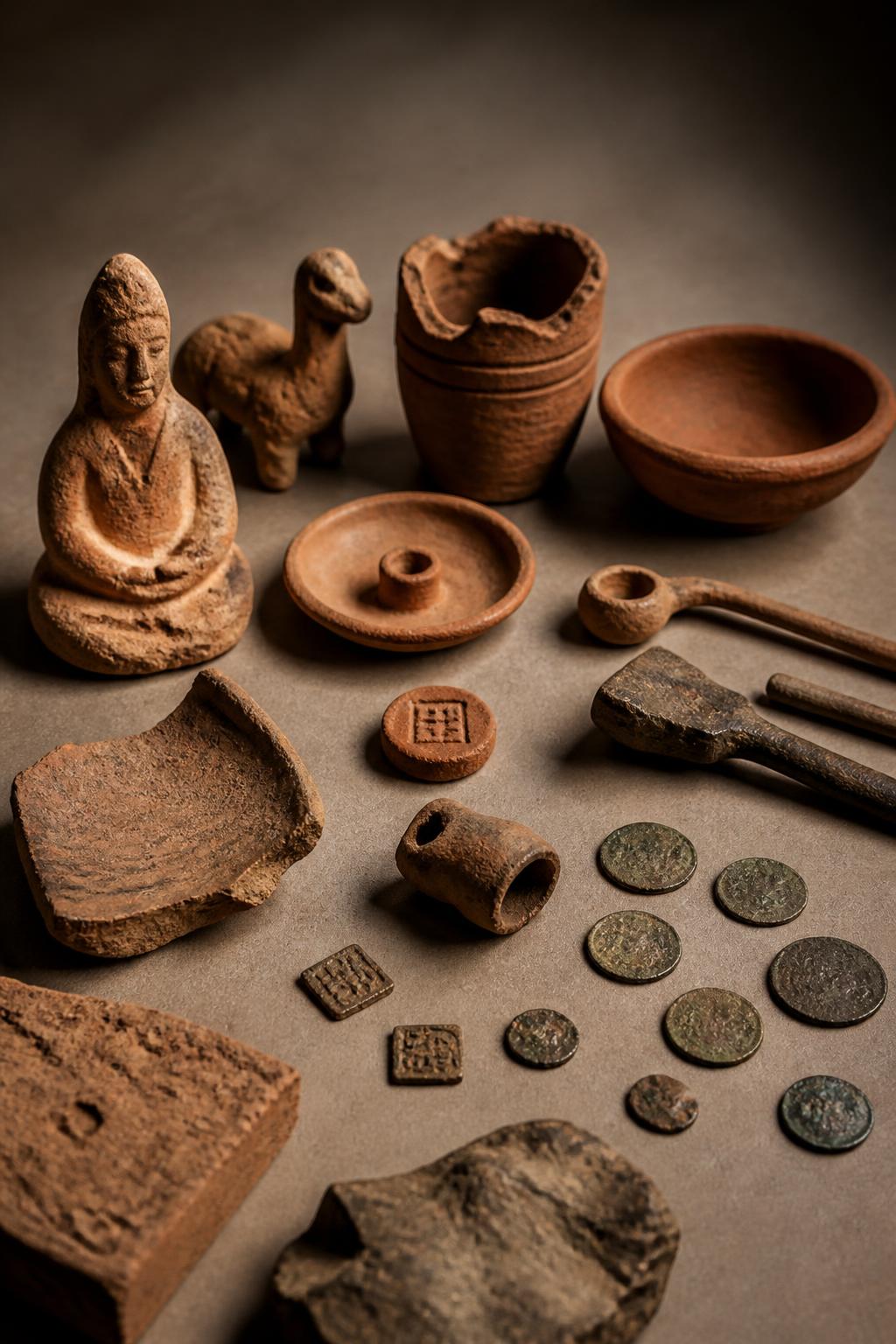
Excavations revealed brick-built structures arranged in blocks separated by lanes. That layout matters because it suggests an organised urban settlement rather than an isolated religious monument. The finds also make the place feel inhabited: archaeologists recovered pottery, terracotta figurines, coins, seals and tools, along with structural remains. Together, these traces point to a neighbourhood where people built, moved, worked and left objects behind. The evidence does not reduce Rajghat to a single monument; it preserves fragments of an urban environment.