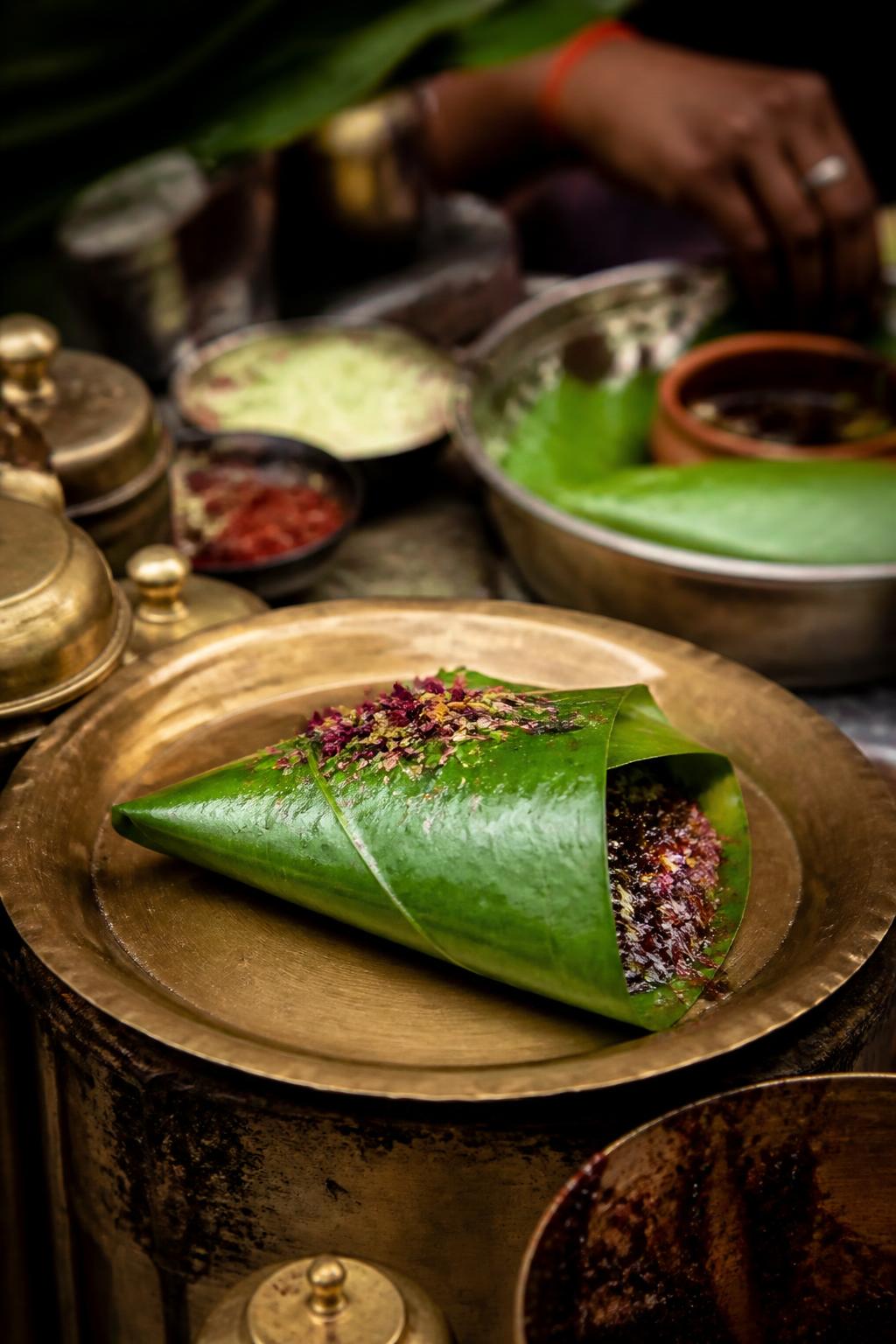
The leaf may come from Bihar
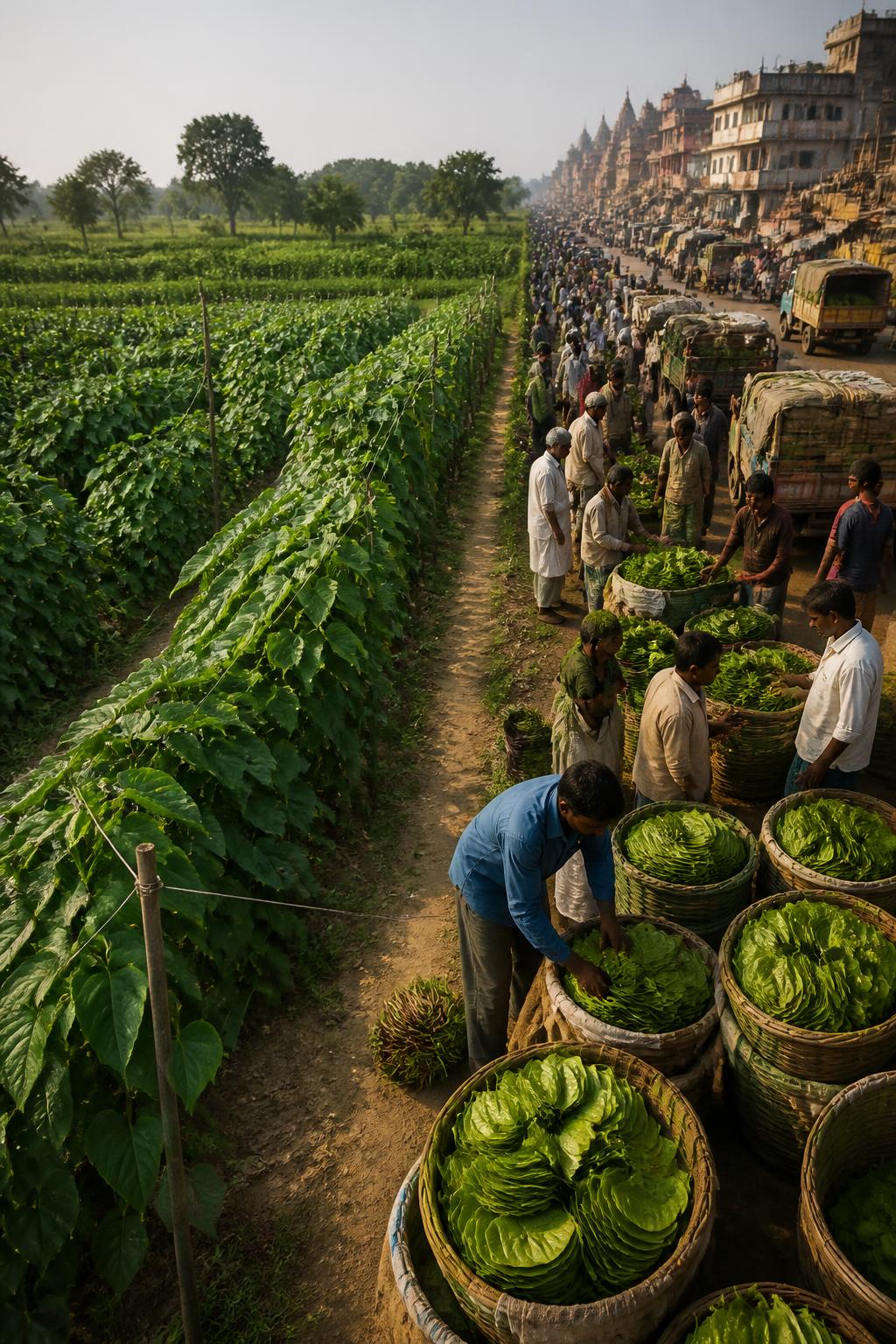
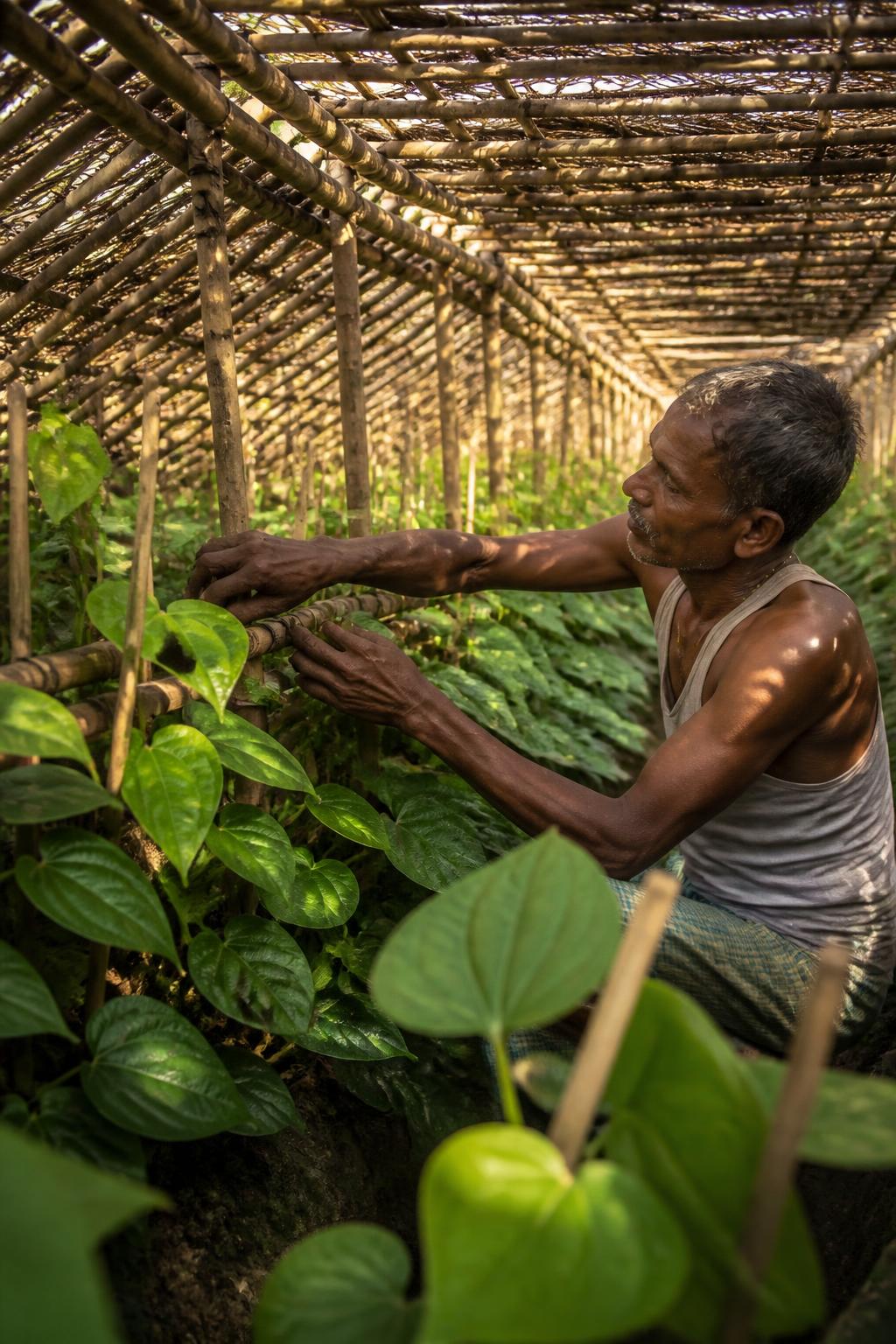
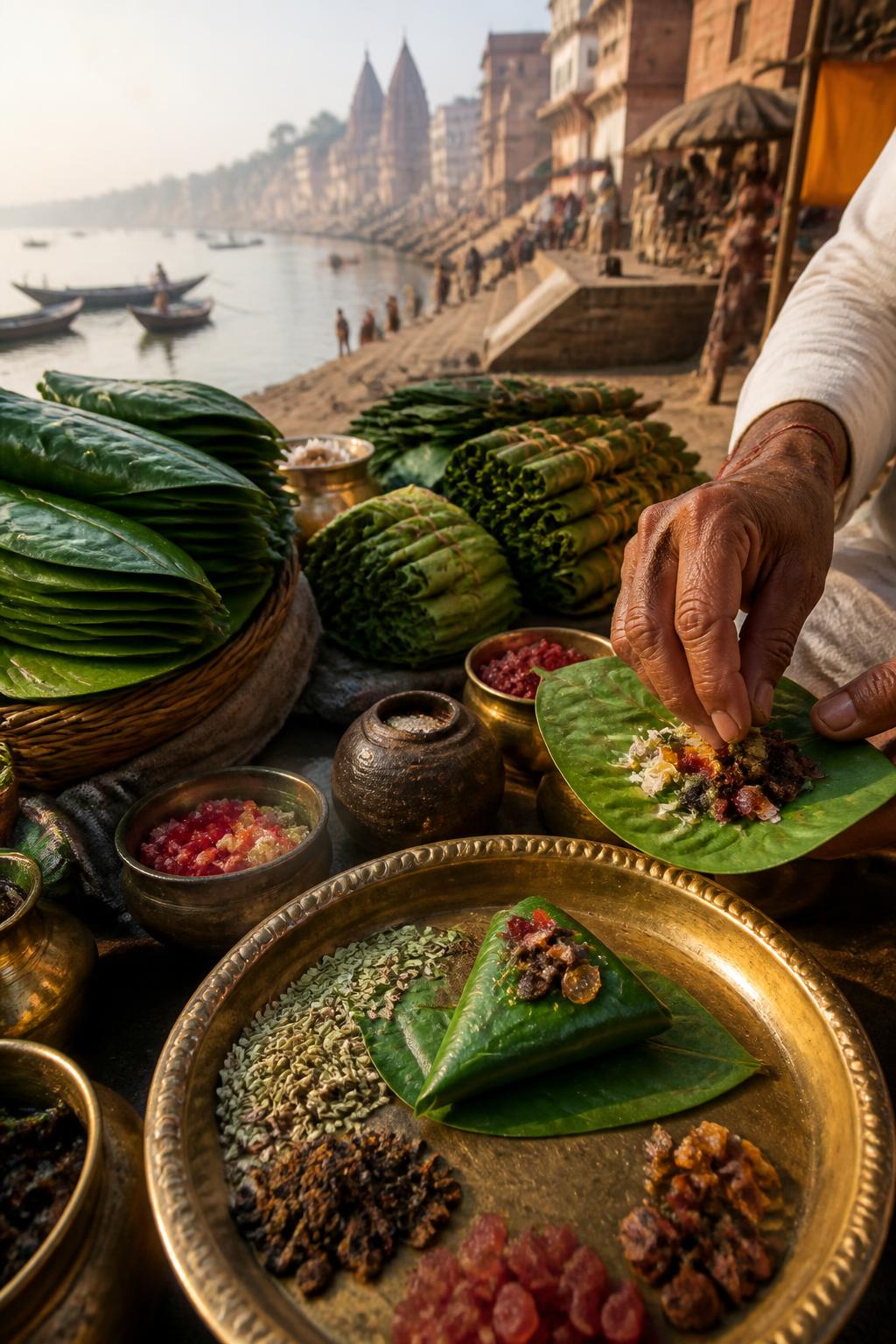
Magahi paan is a traditional betel-leaf cultivar grown especially in Bihar’s Magadh region, including Aurangabad, Gaya, Nawada and Nalanda. Its leaves are associated with a soft, aromatic character and are cultivated in sheltered bamboo-and-straw structures. The Magahi paan GI documentation identifies Varanasi as one of the major markets where these leaves are traded. That makes the familiar name “Banarasi paan” more complicated than it first appears: the city may be the place where the paan becomes culturally recognizable, even when the agricultural product begins elsewhere.
Why “Banarasi” was once called a misnomer
A November 12, 1961 article in Yojana titled “Paan of Banaras” described “Banarasi paan” as a misnomer. Its account noted that Banaras used and traded several leaf varieties from outside the city, including leaves from Faizabad, Mirzapur and Mahoba. The Magahi paan GI documentation also cites historical writers who described Banarasi paan as being made from Magahi paan of Bihar. Together, these records point to a regional food network rather than a single-city crop.
The city enters the story at the market
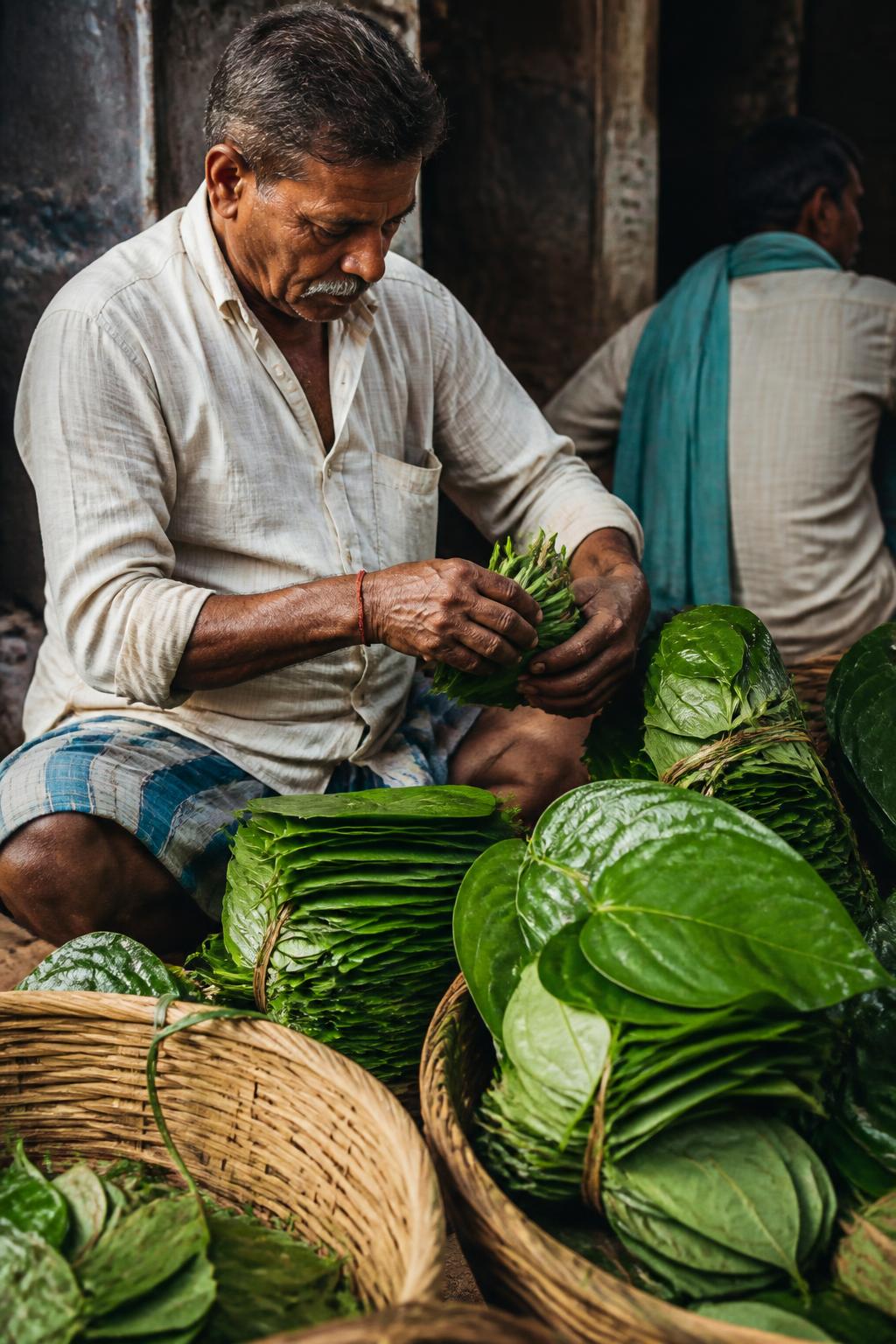
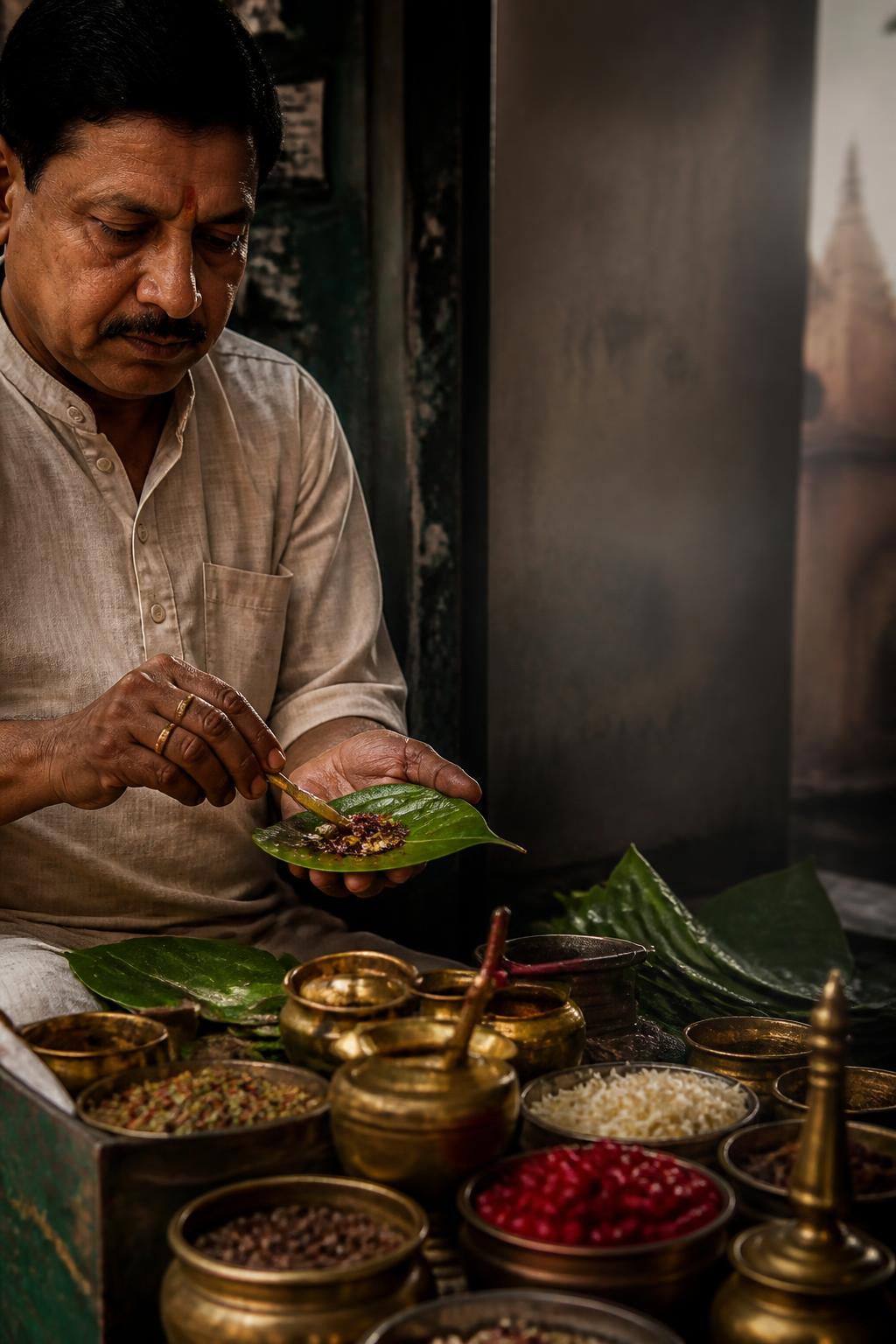
The journey begins in Magadh, where Magahi paan is grown under protective coverings. After harvest, the leaves are sorted, bundled and moved through regional trade, with Varanasi documented as a major market. This is the point at which the simple idea of a “local” paan starts to unravel. Its identity is built across stages: cultivation in Bihar, movement through trade, and transformation by paan makers in Banaras. The leaf’s origin and the finished preparation are connected, but they are not the same thing.