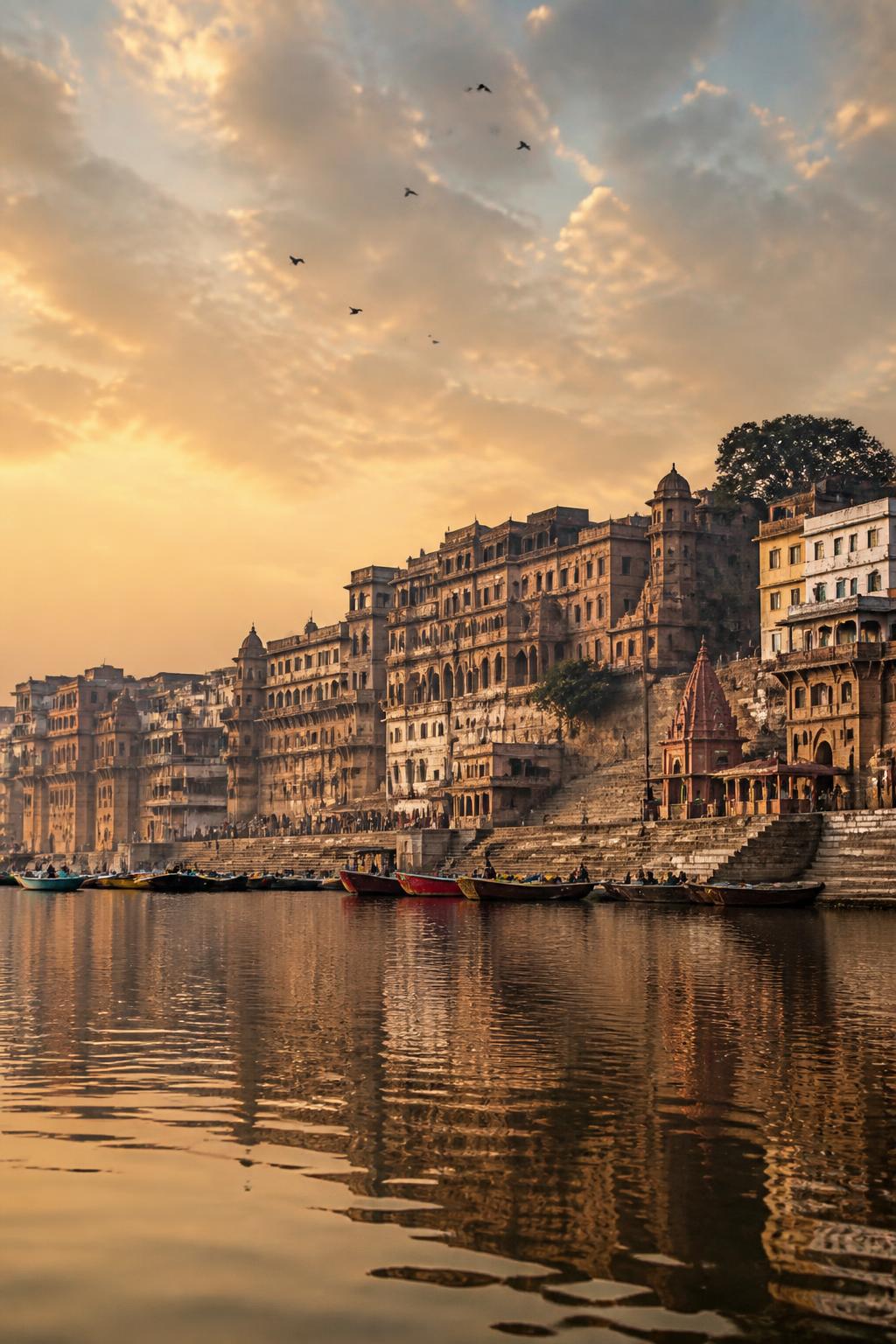
An ancient sacred geography, a newer architectural frame
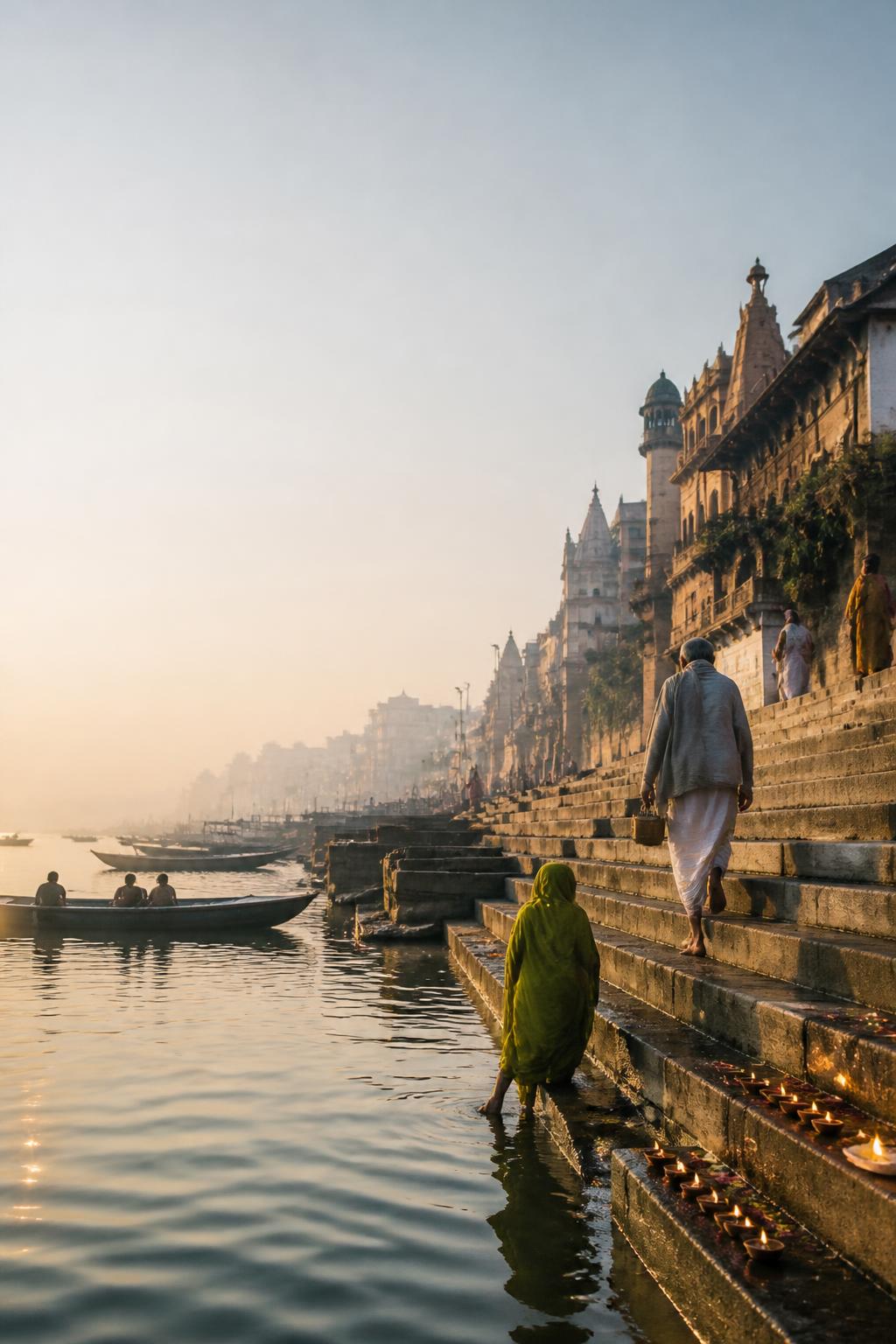
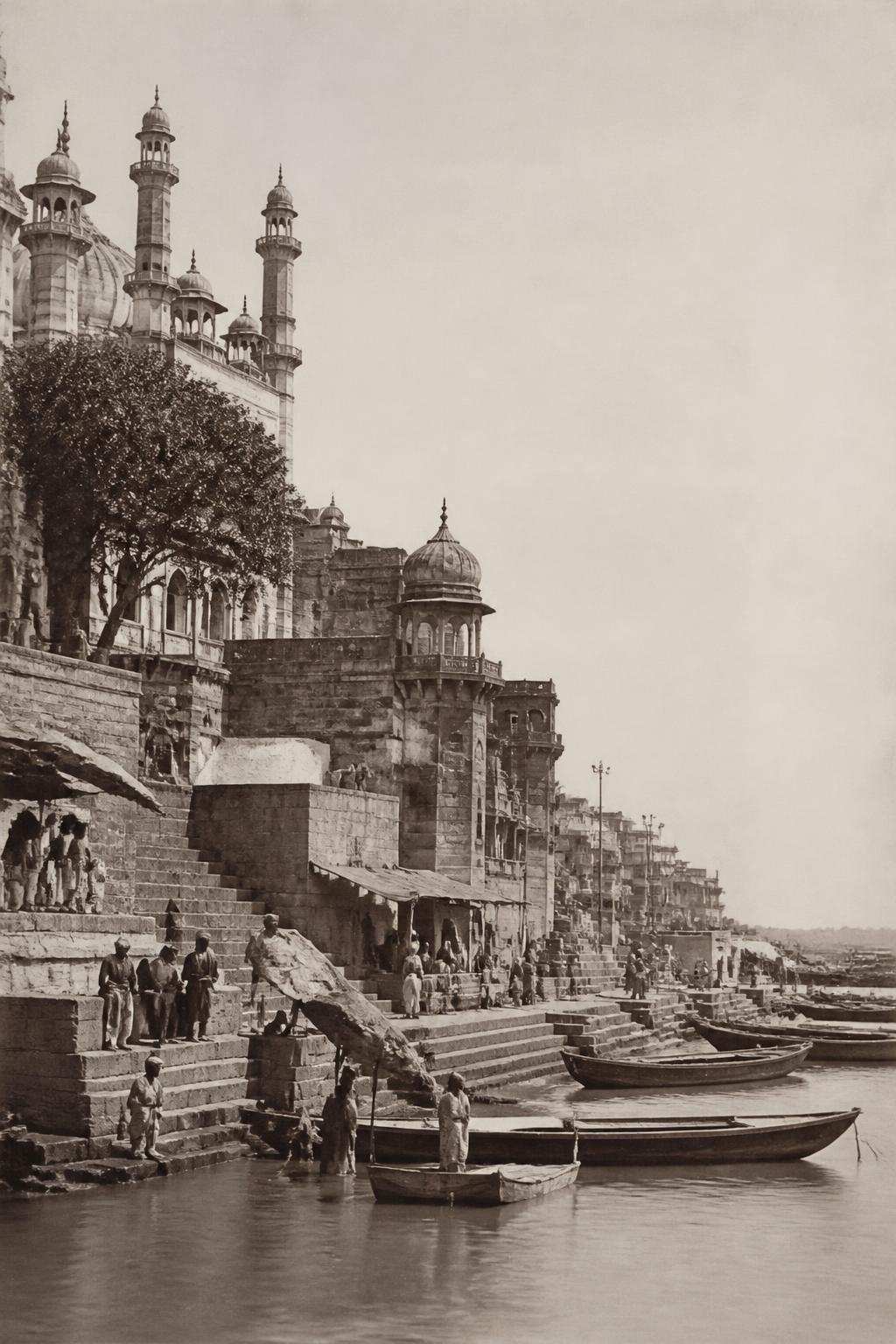
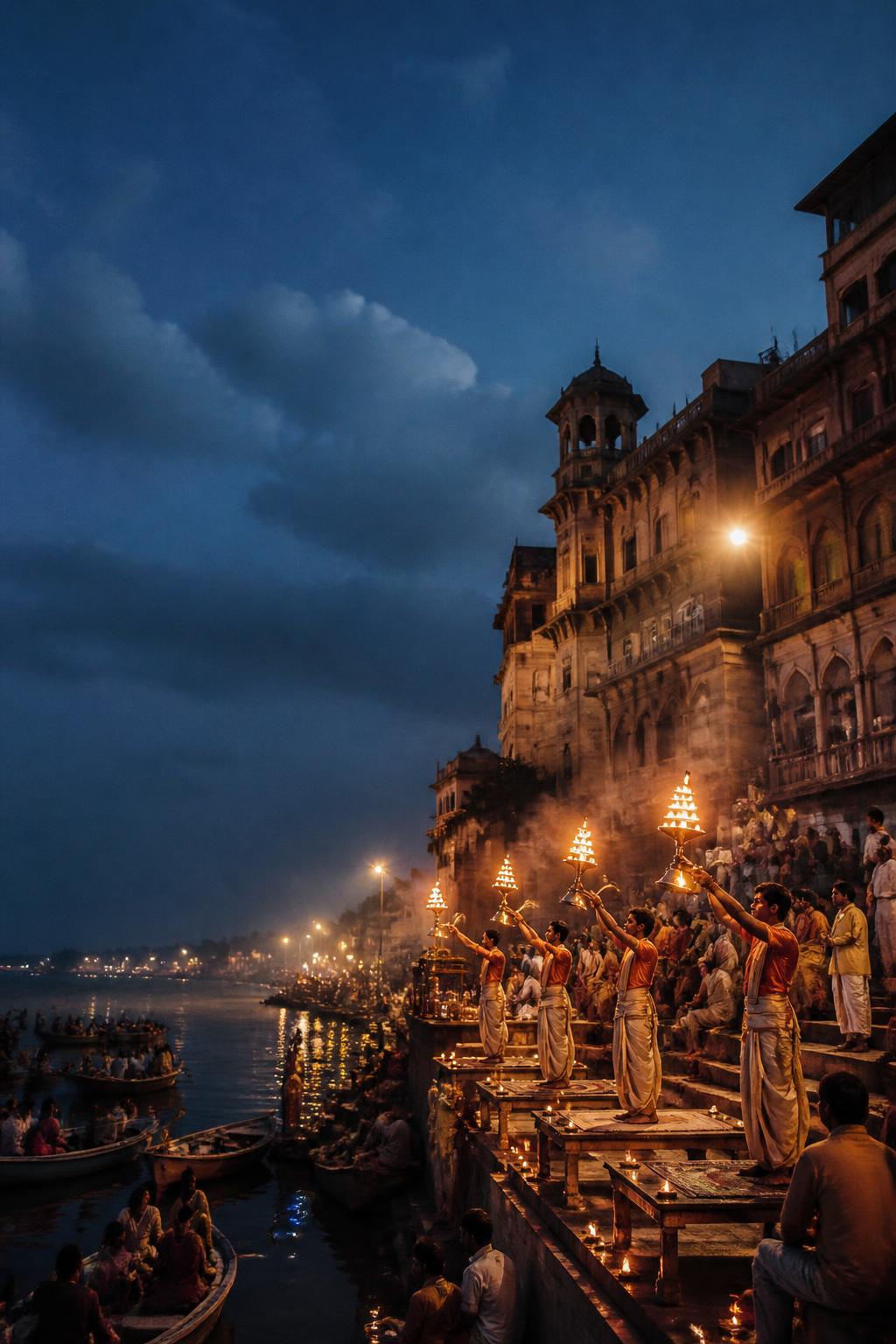
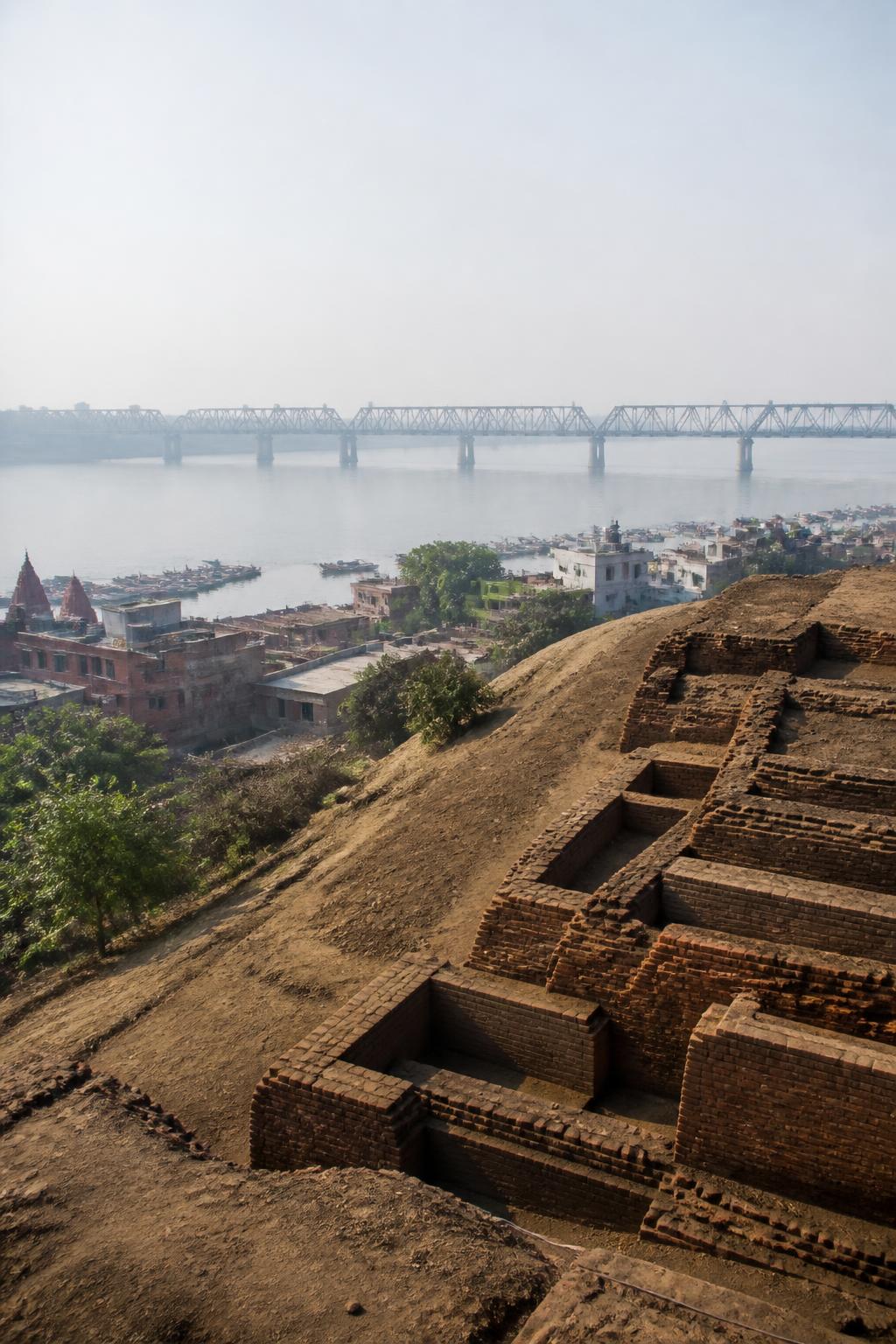
Varanasi’s riverfront carries an old sacred logic: river, pilgrimage, cremation and ritual continuity. UNESCO records the ghats as prominent features by at least the 12th century, placing their importance many centuries before the skyline most visitors recognise today. That distinction matters. The age of the city’s religious geography does not mean every palace, embankment or monumental structure beside the river is equally ancient. Varanasi can feel unchanged because its ceremonies and associations remain continuous, even as the built setting around them has been repeatedly altered.
Much of the skyline took shape in the 1700s and 1800s
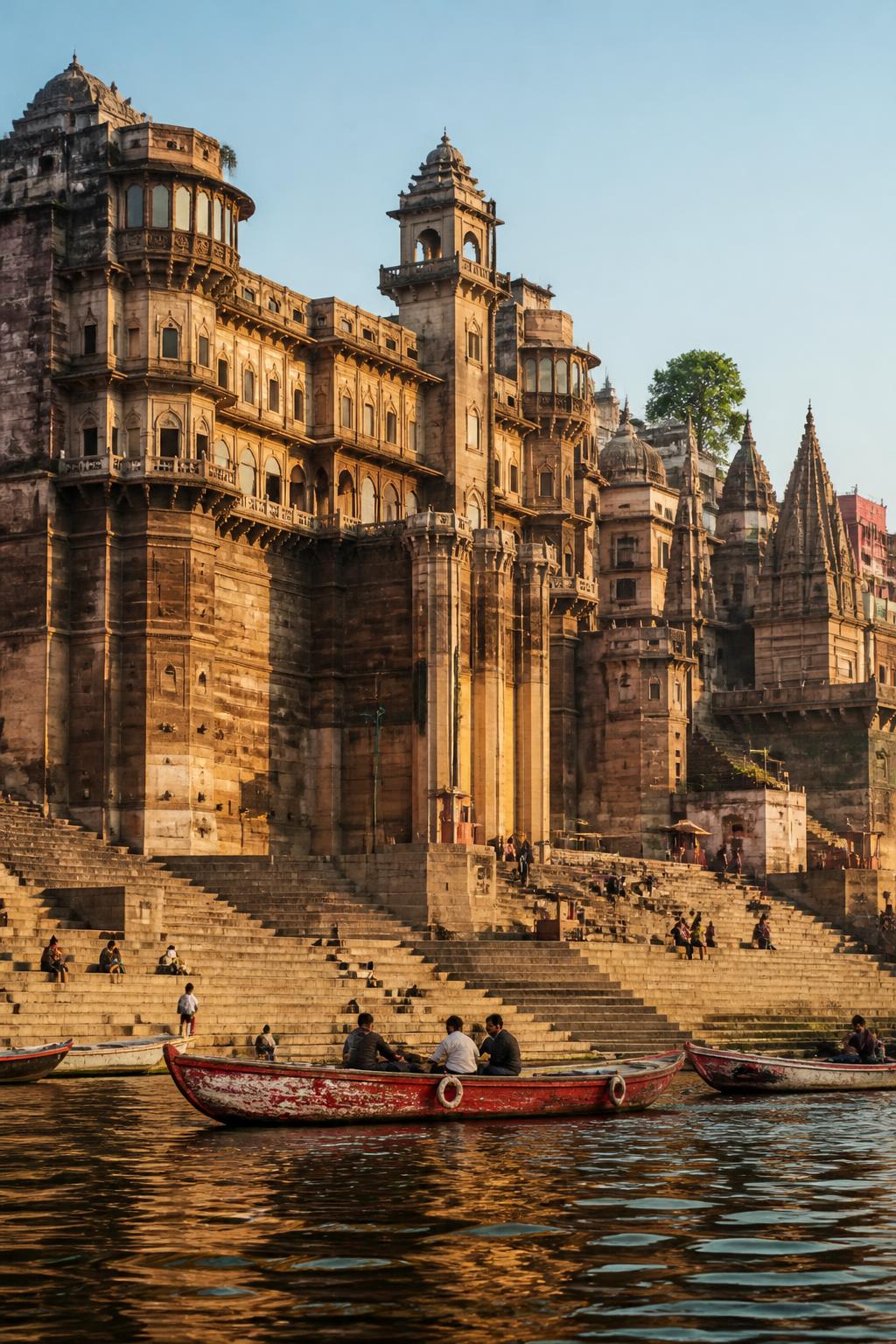
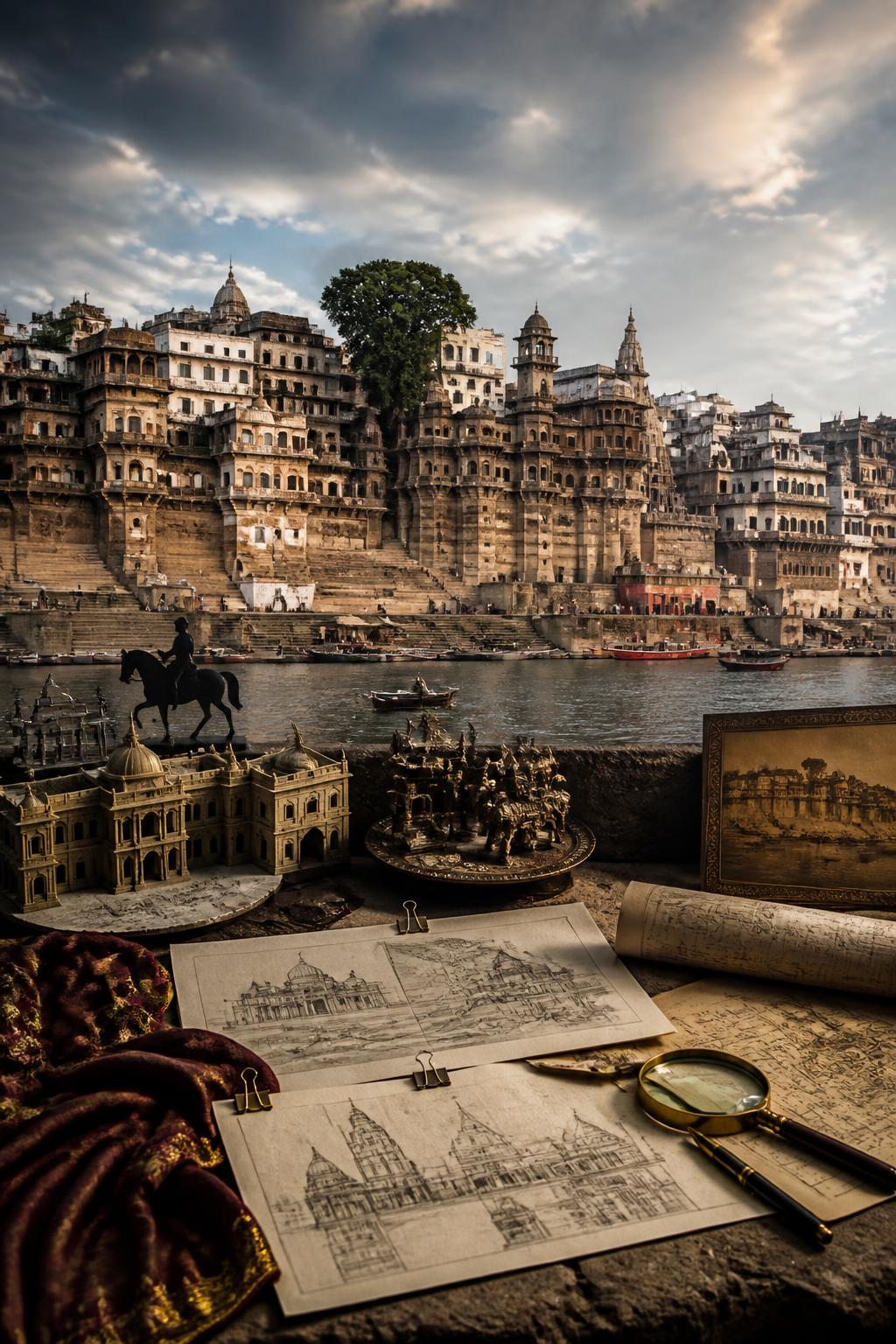
UNESCO states that the palatial buildings along the ghats were mostly built under Maratha patronage during the 18th and 19th centuries. These structures supplied much of the stone-and-palace drama that now reads as an inseparable part of Varanasi’s identity. The result is a riverfront where old ritual life and comparatively recent architecture meet in the same view. The skyline is not a single surviving layer from antiquity; it is a later monumental frame built around a sacred landscape whose importance was already established.