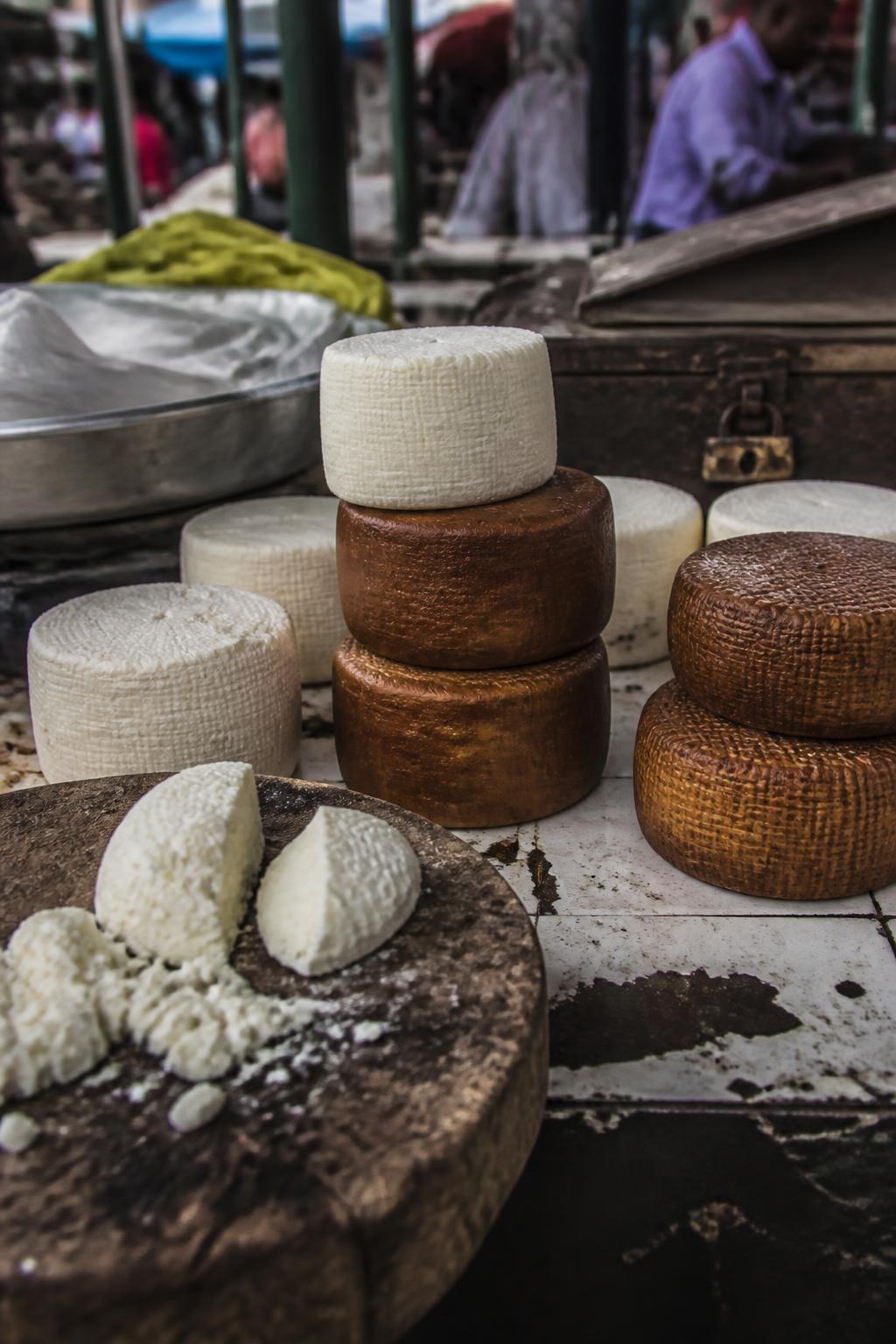
A tiny cheese is still carrying Kolkata’s colonial food history
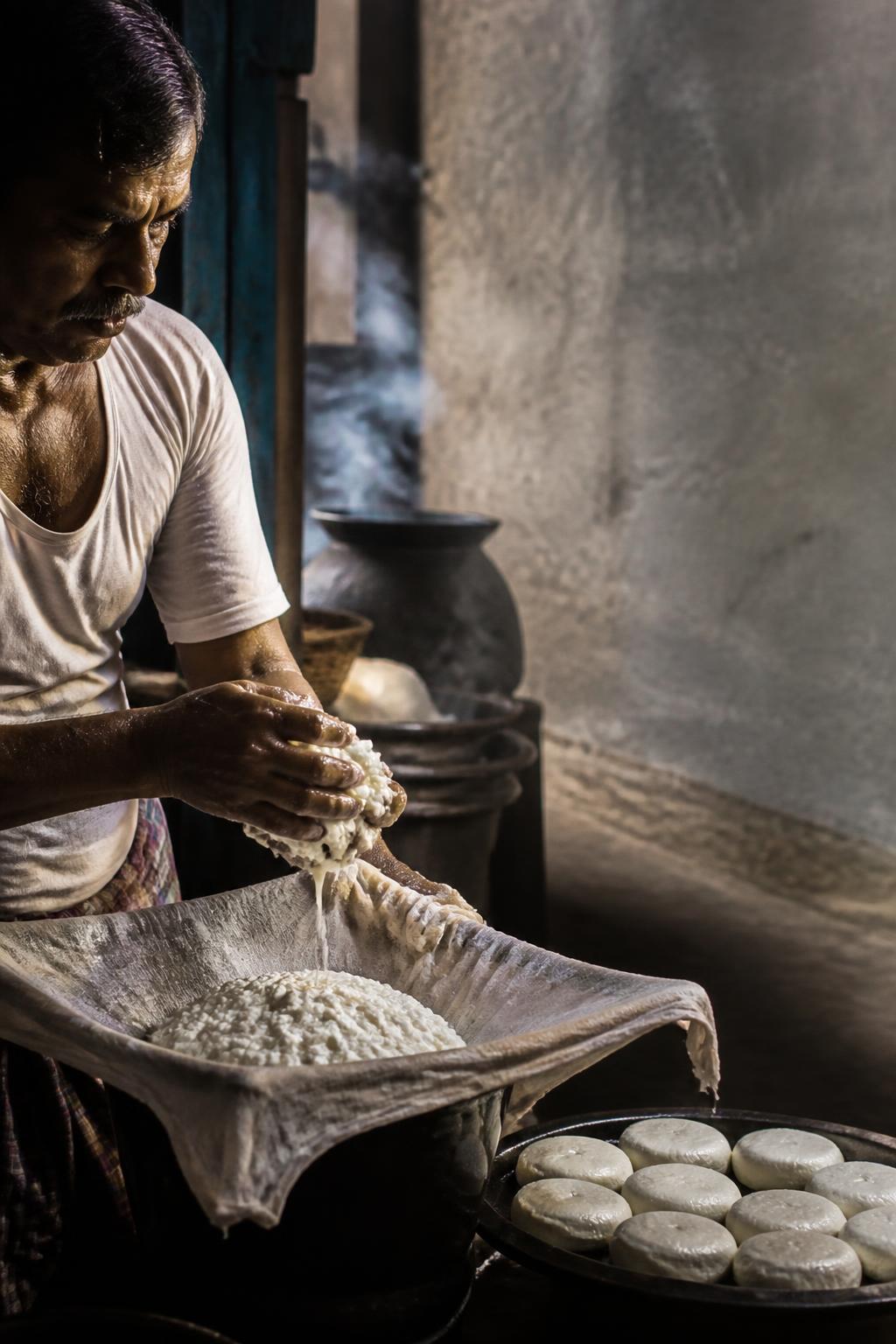
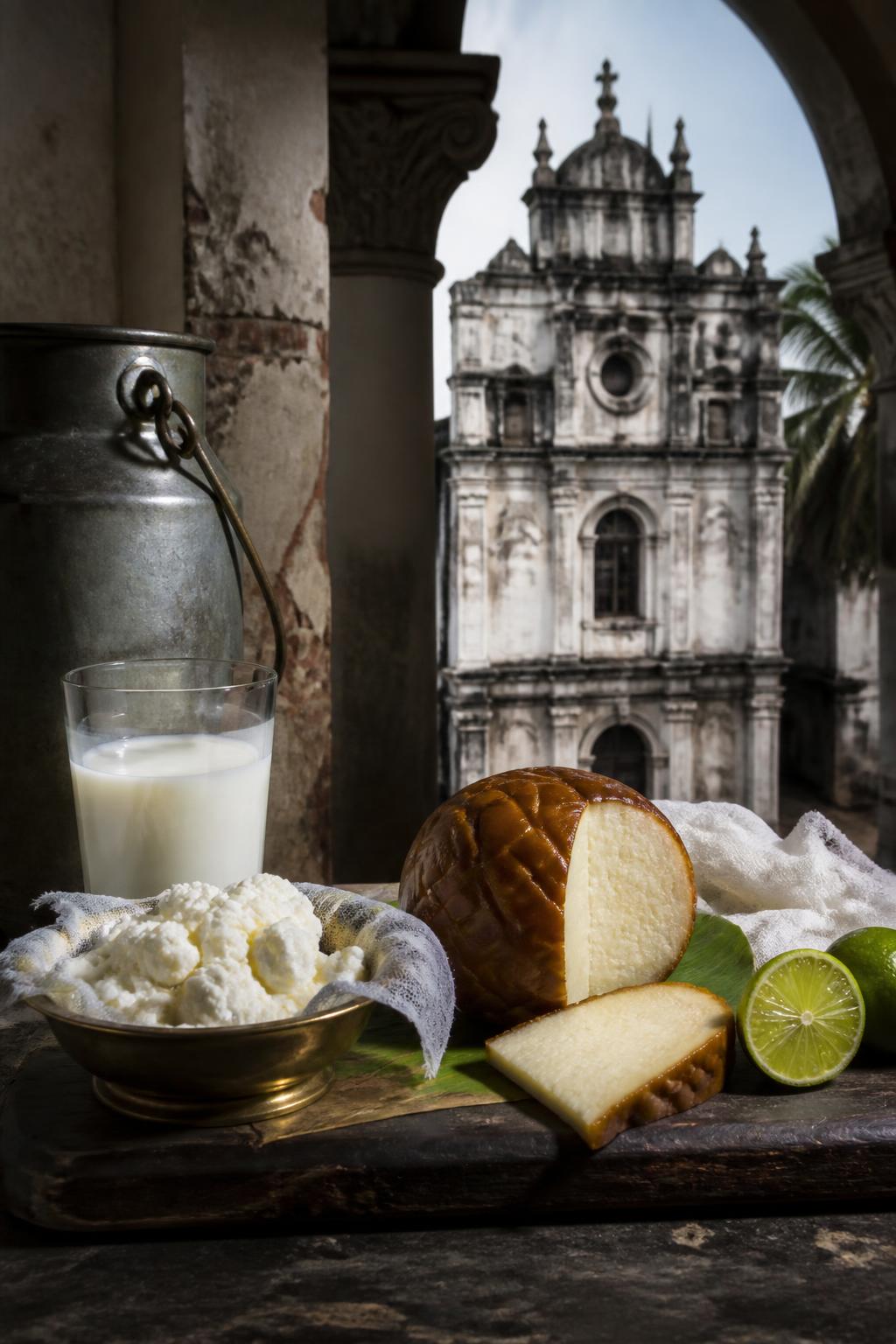
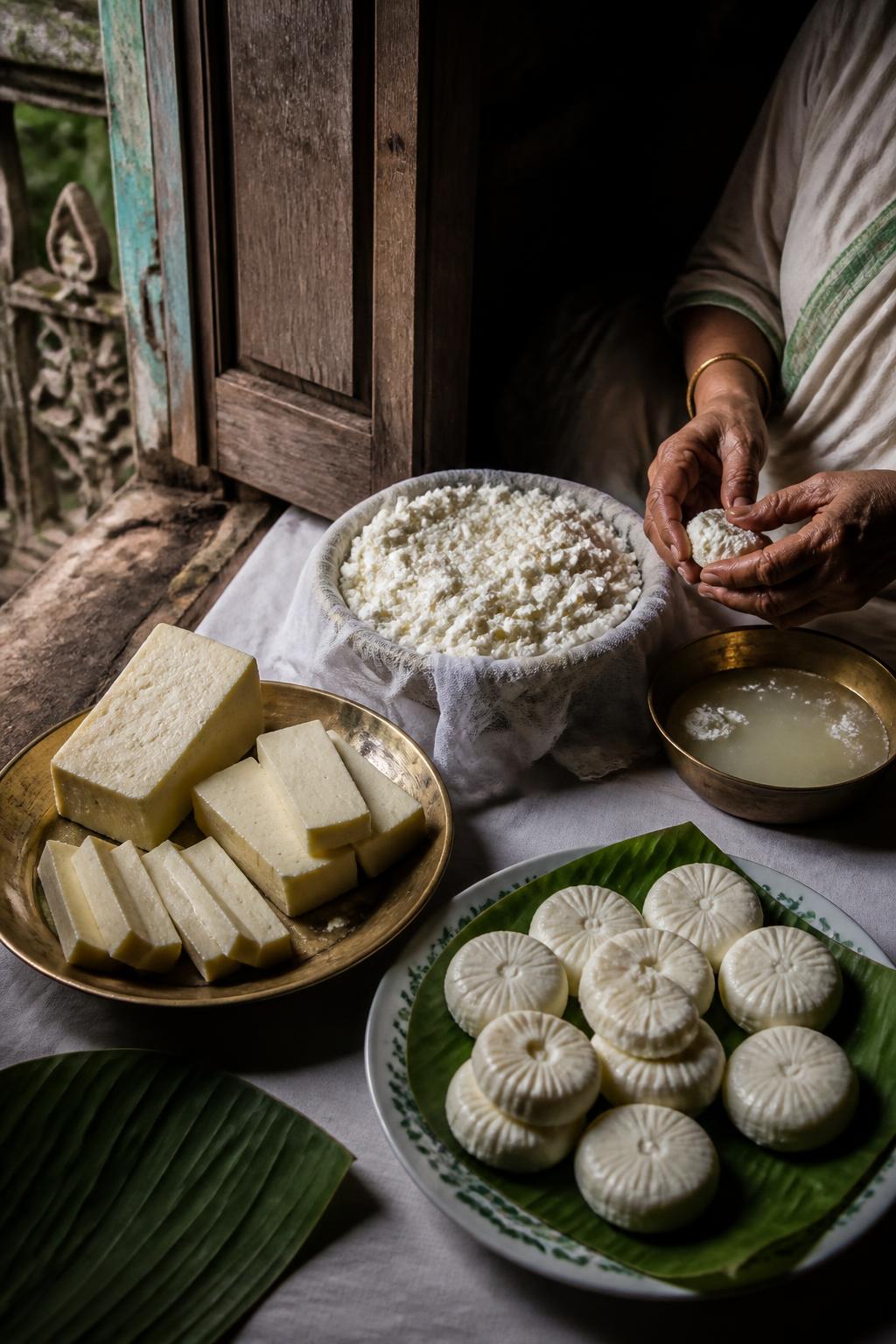
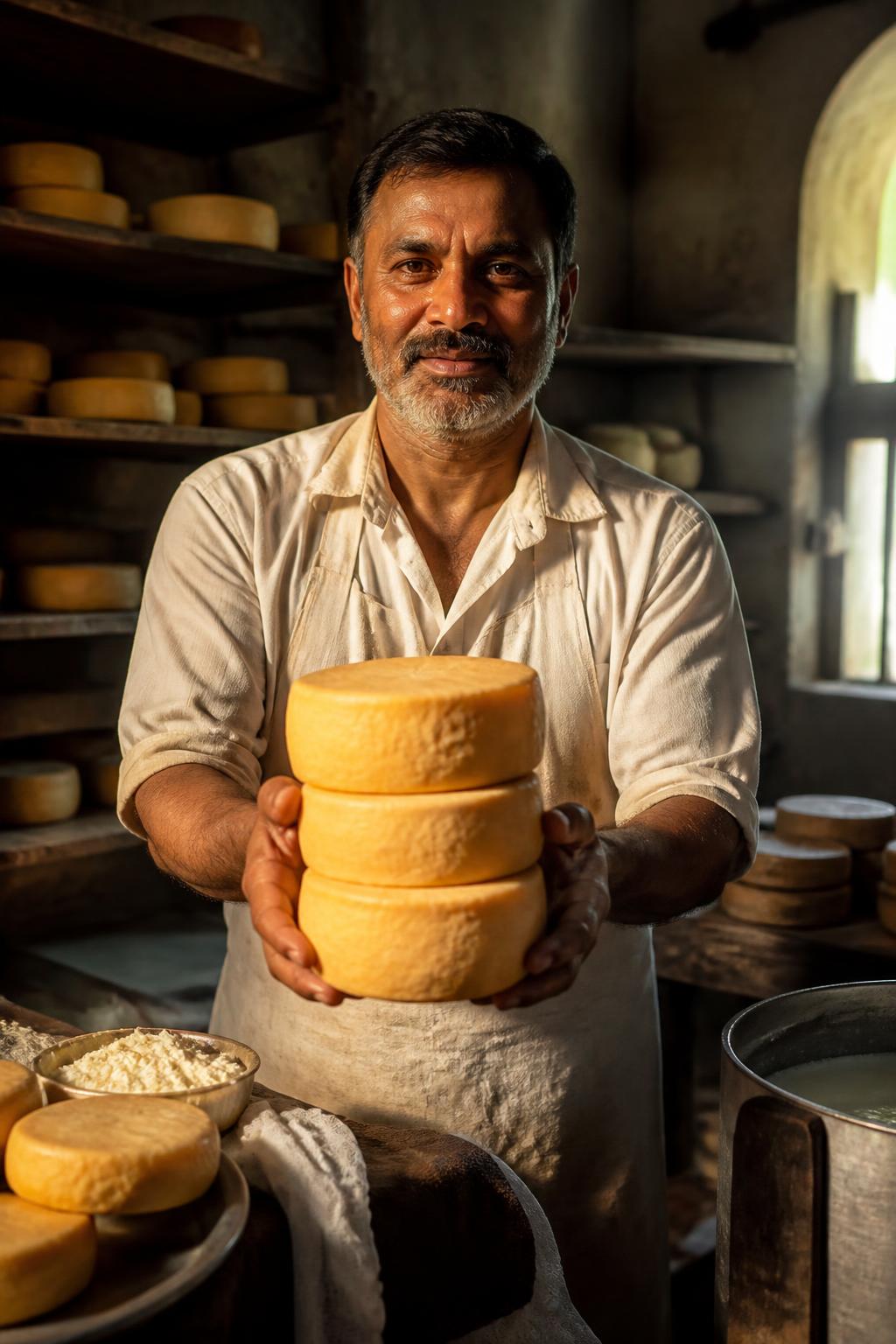
At Kolkata’s New Market, Bandel cheese appears in two striking forms: tiny white rounds and darker smoked ones. It is intensely salty, crumbly and soft rather than aged, an unusual object in a city better known for chhana, paneer and sandesh. Yet the cheese’s modest size hides a much larger story. Bandel is associated with the Portuguese settlement at Bandel in Hooghly, linking a present-day market ingredient to an older period of exchange between European culinary practices and Bengal’s food culture. The cheese is not simply a historical curiosity preserved on a shelf. It remains available in Kolkata, even as the number of people making it has become very small.
The trail leads back to Portuguese Bengal
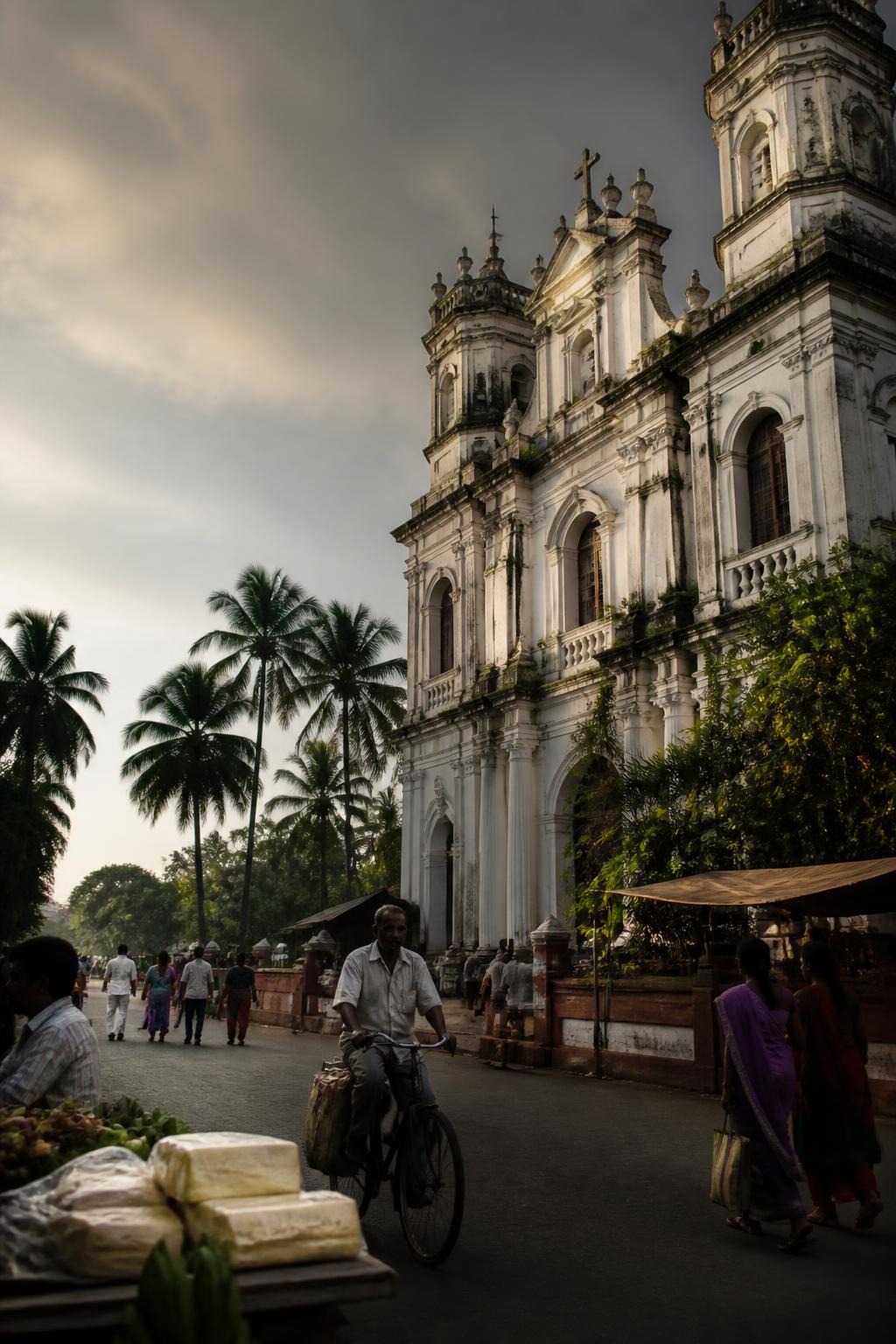
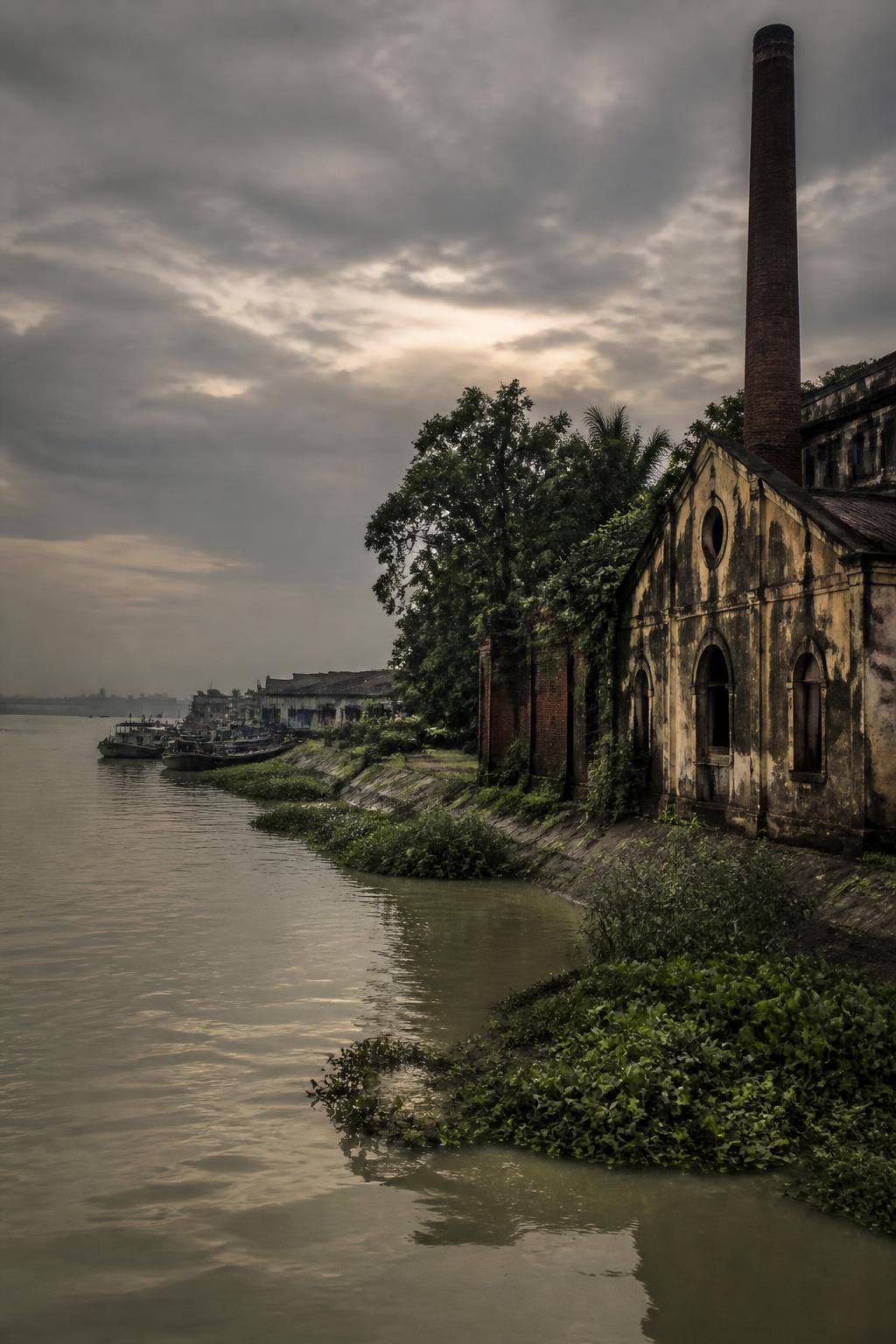
Bandel lies roughly 50 kilometres from Kolkata, in Hooghly. It was a Portuguese settlement, and the surviving Basilica of the Holy Rosary still anchors that colonial landscape. That setting matters because Bandel cheese is not merely named after a nearby place: regional food histories associate it with the Portuguese presence there. The church and the cheese preserve different kinds of memory. One is architectural and public; the other survives through a small, salty food still sold in a Kolkata market. Together, they point to how culinary traditions can outlast the institutions and communities that helped shape them.