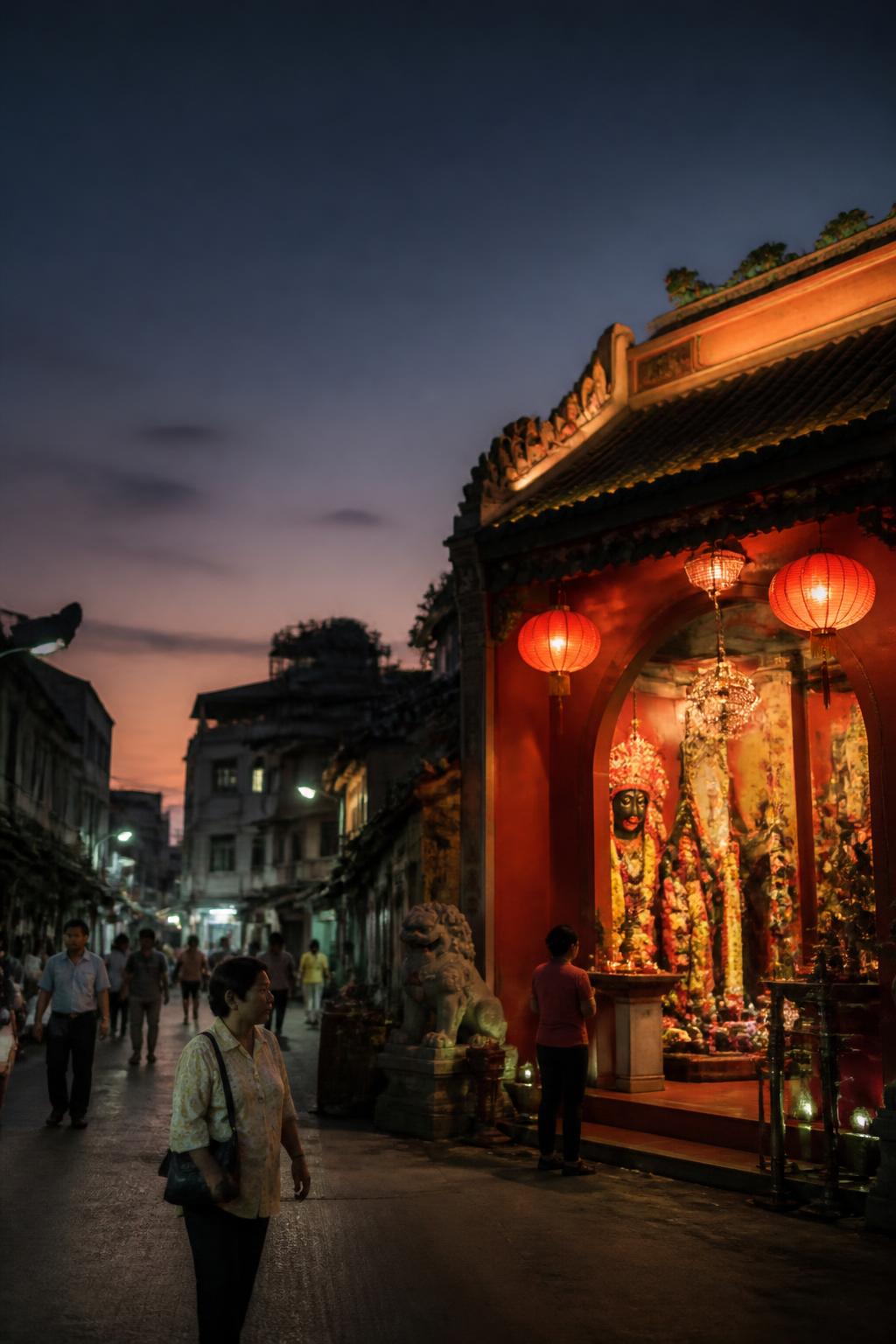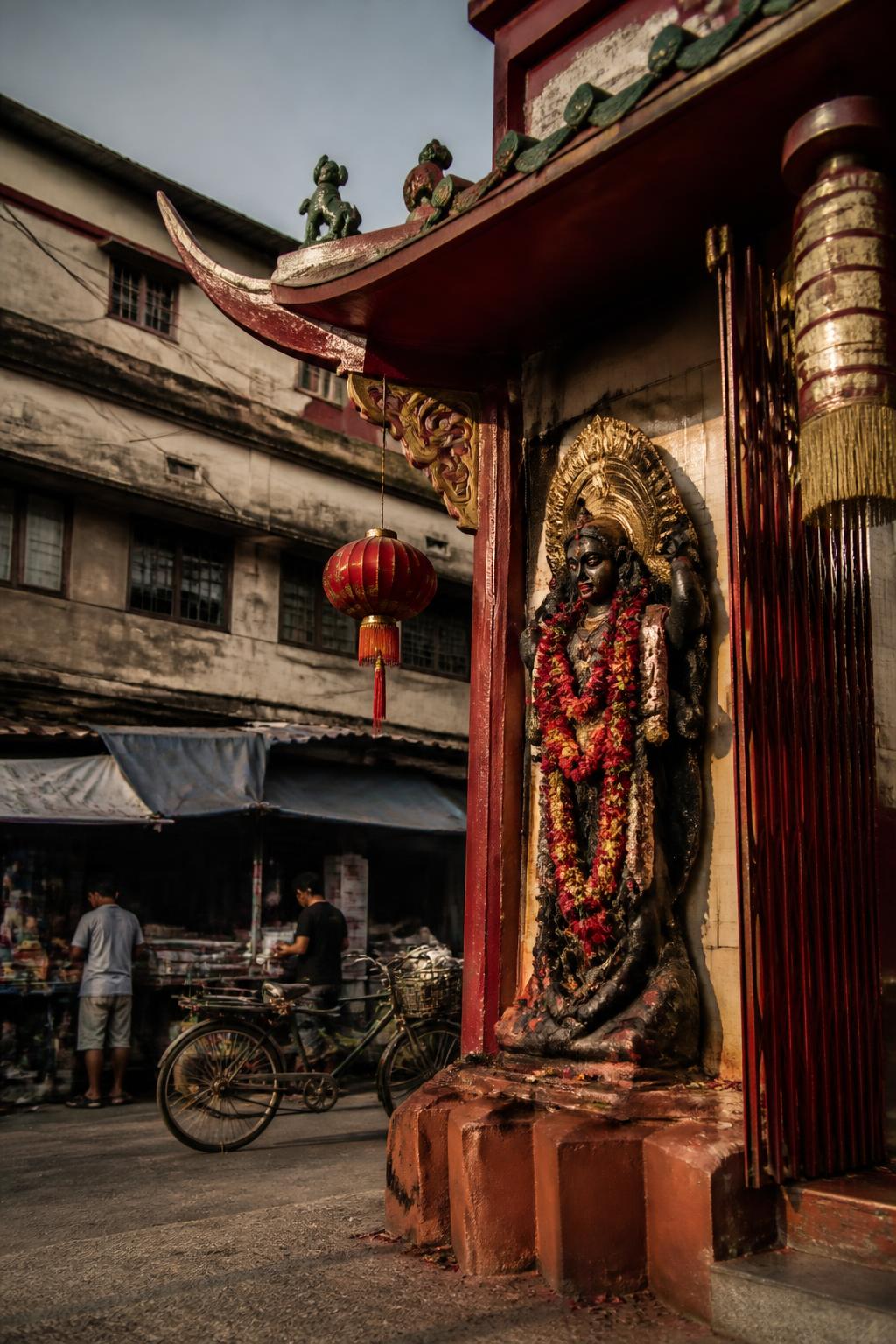
A Kali shrine in Kolkata’s newer Chinatown
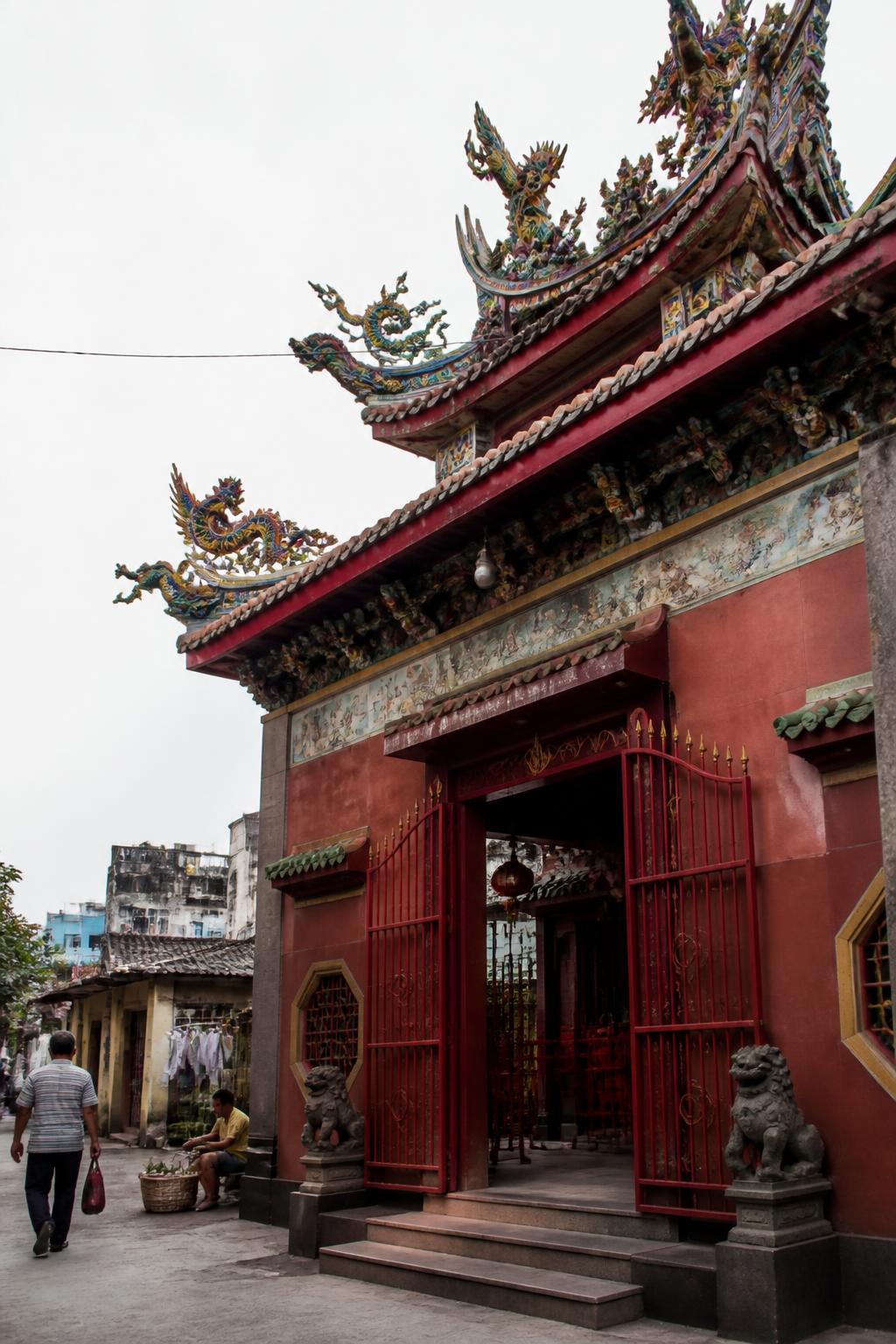
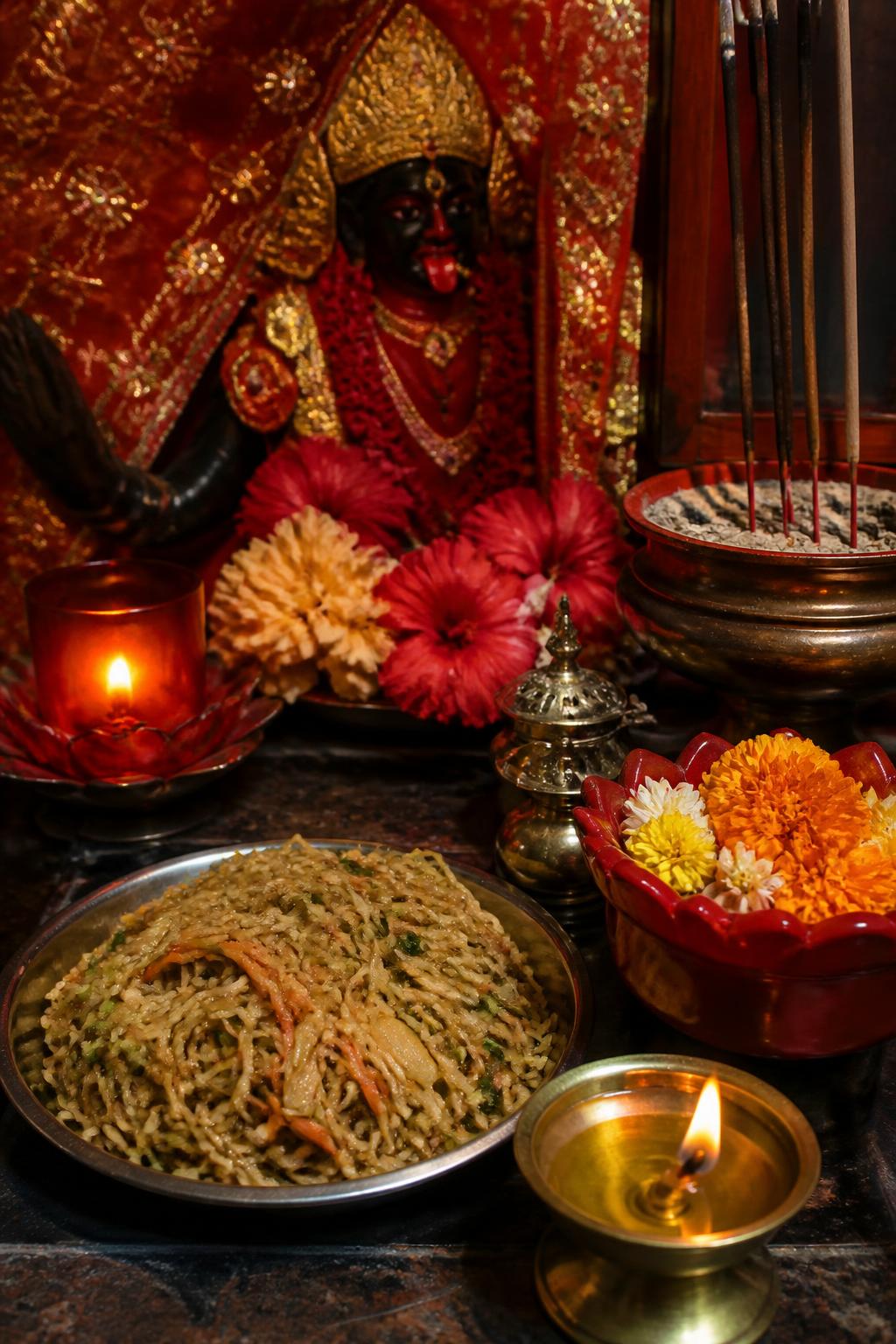
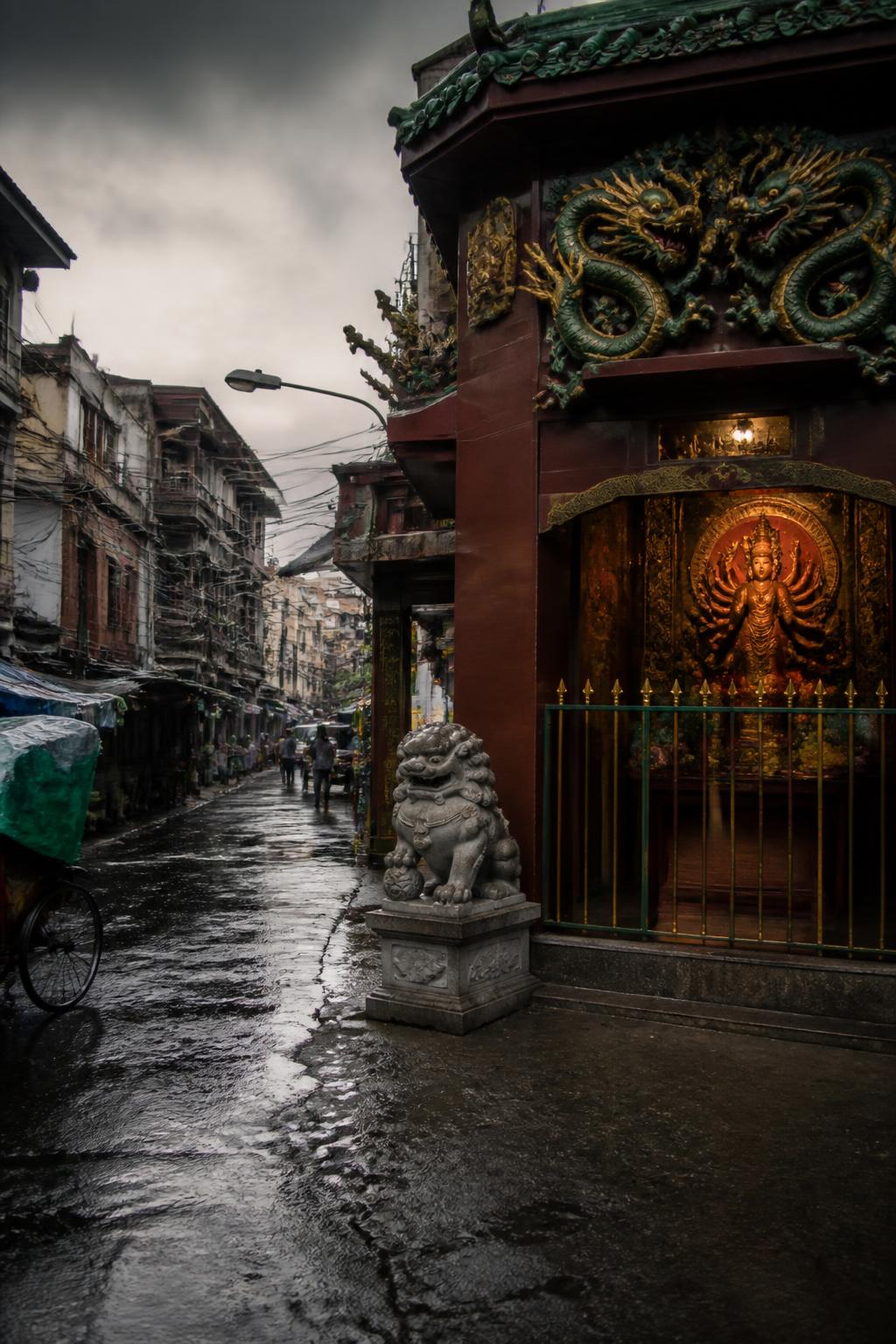
The Chinese Kali Temple stands on Matheswartala Road in Tangra, the part of Kolkata associated with the city’s newer Chinatown. Its façade carries Chinese-style motifs, and a bilingual sign identifies the shrine as the “Chinese Kali Temple.” The setting makes the temple more than an unusual landmark: it places a Hindu goddess within a community shaped by Chinese migration, work and neighborhood life. Chinese and Bengali devotees worship at the shrine, making it a shared place rather than a neatly separated religious or cultural space.
Why Tangra became Chinatown
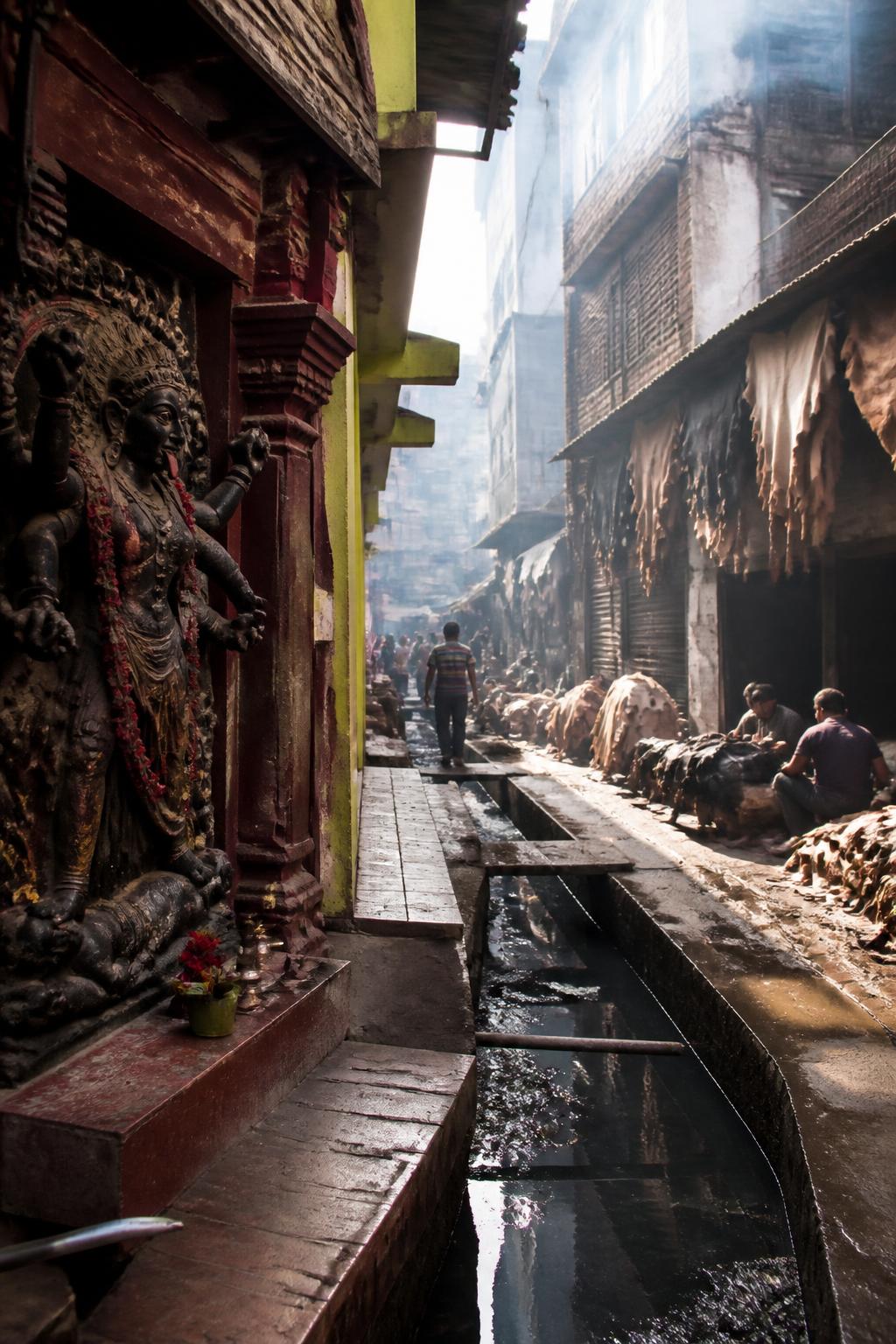
Kolkata’s Chinese settlement dates back roughly two and a half centuries, beginning with early migrants such as Tong Achew and later developing around Tiretta Bazaar and Tangra. Tangra grew as Hakka Chinese leather workers moved toward the city’s eastern outskirts. Tanning required space, water and a way to dispose of wastewater away from Kolkata’s crowded core, so work and settlement expanded there. Over time, the businesses and community life of these Hakka residents helped create Kolkata’s newer Chinatown—the neighborhood in which the Chinese Kali Temple took shape.
From black stones beneath a tree to a permanent shrine
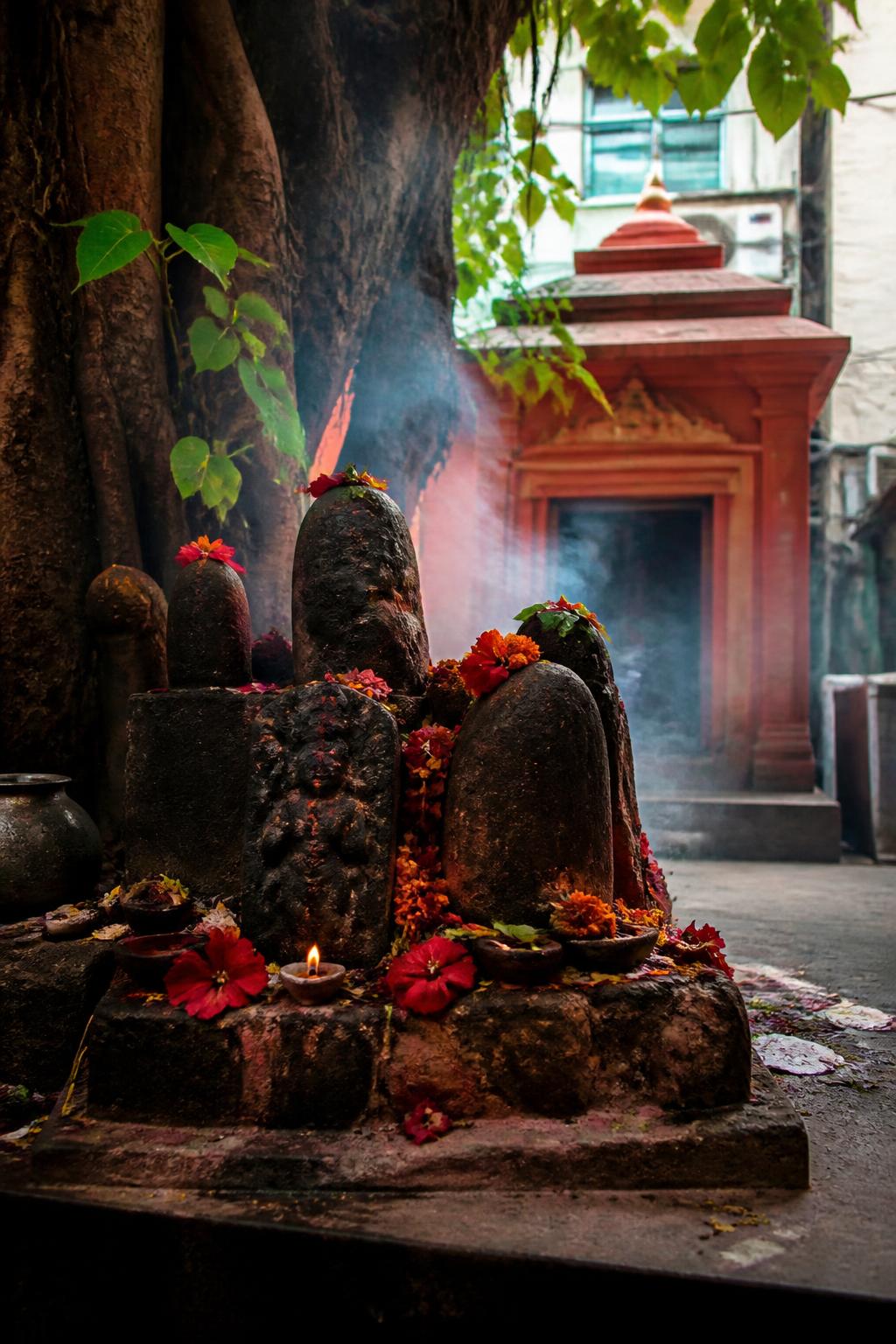
Local reporting describes the temple’s present form as growing from a simpler roadside place of worship. Local residents prayed to black stones beneath a tree. As members of Kolkata’s Chinese community began worshipping there, the shrine became part of their community life. Donations from both Chinese and local residents helped create the permanent structure. That history matters because it shows the temple developing through shared participation, rather than arriving as a finished institution belonging to only one group.