Before Tangra, there was Achipur
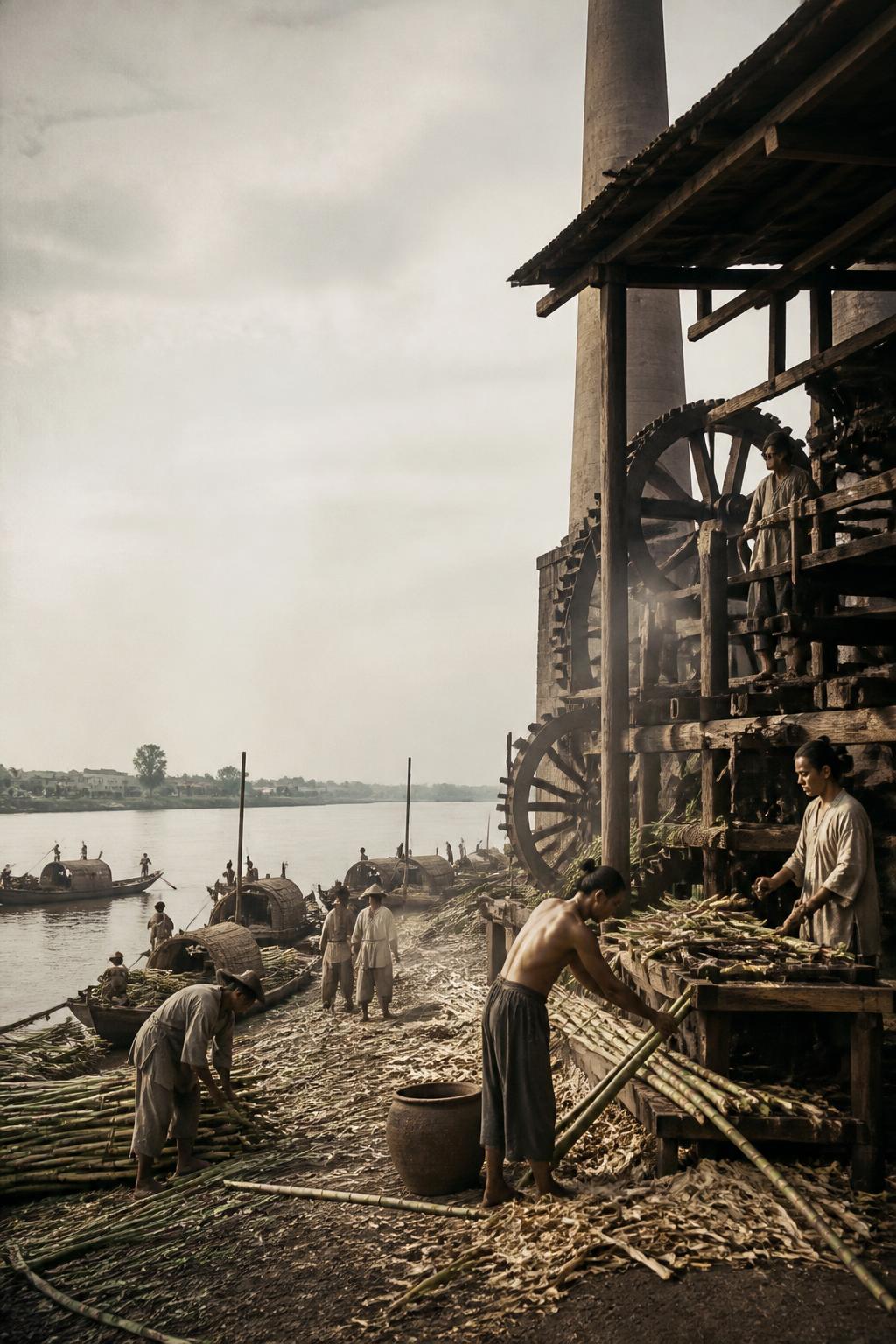
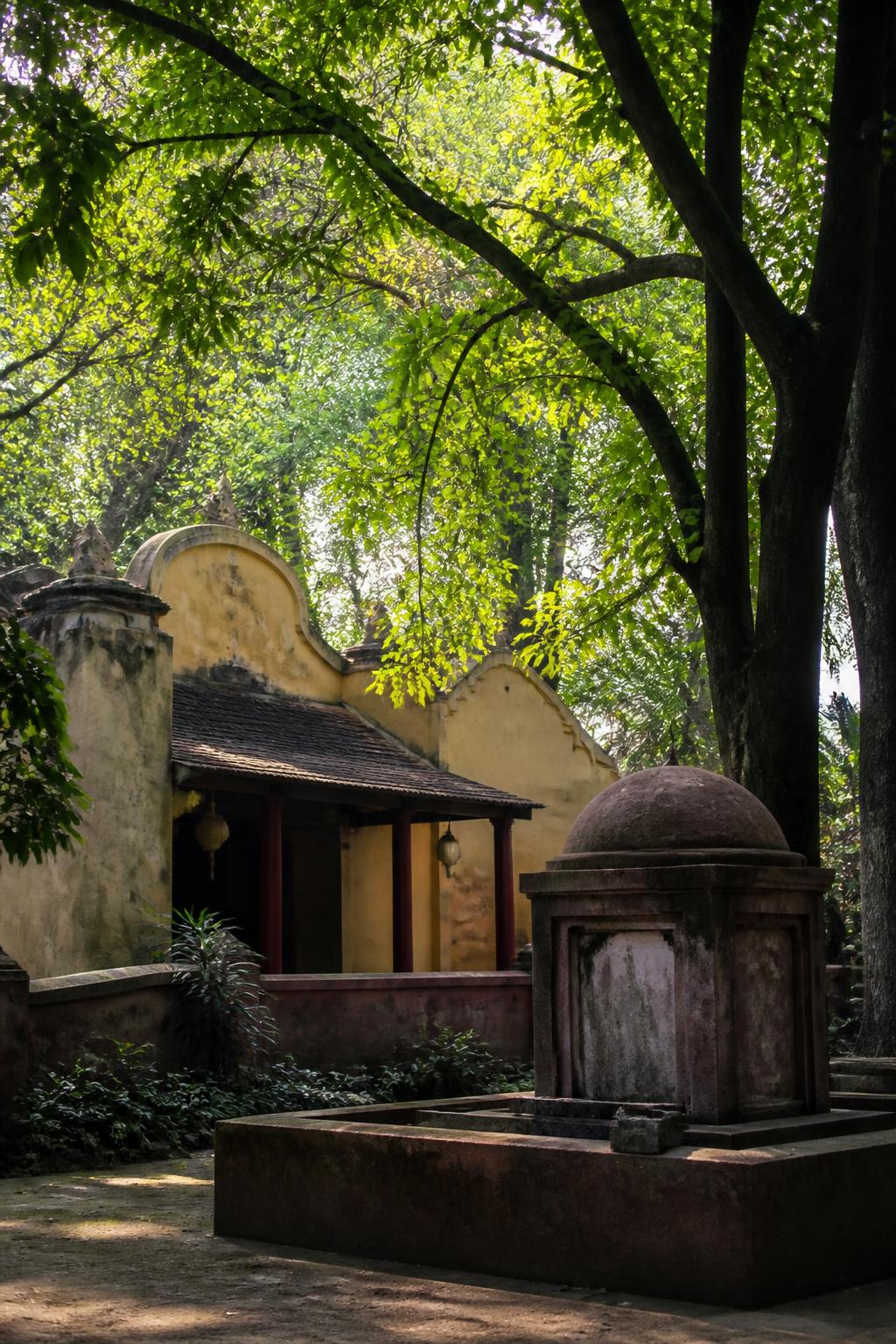
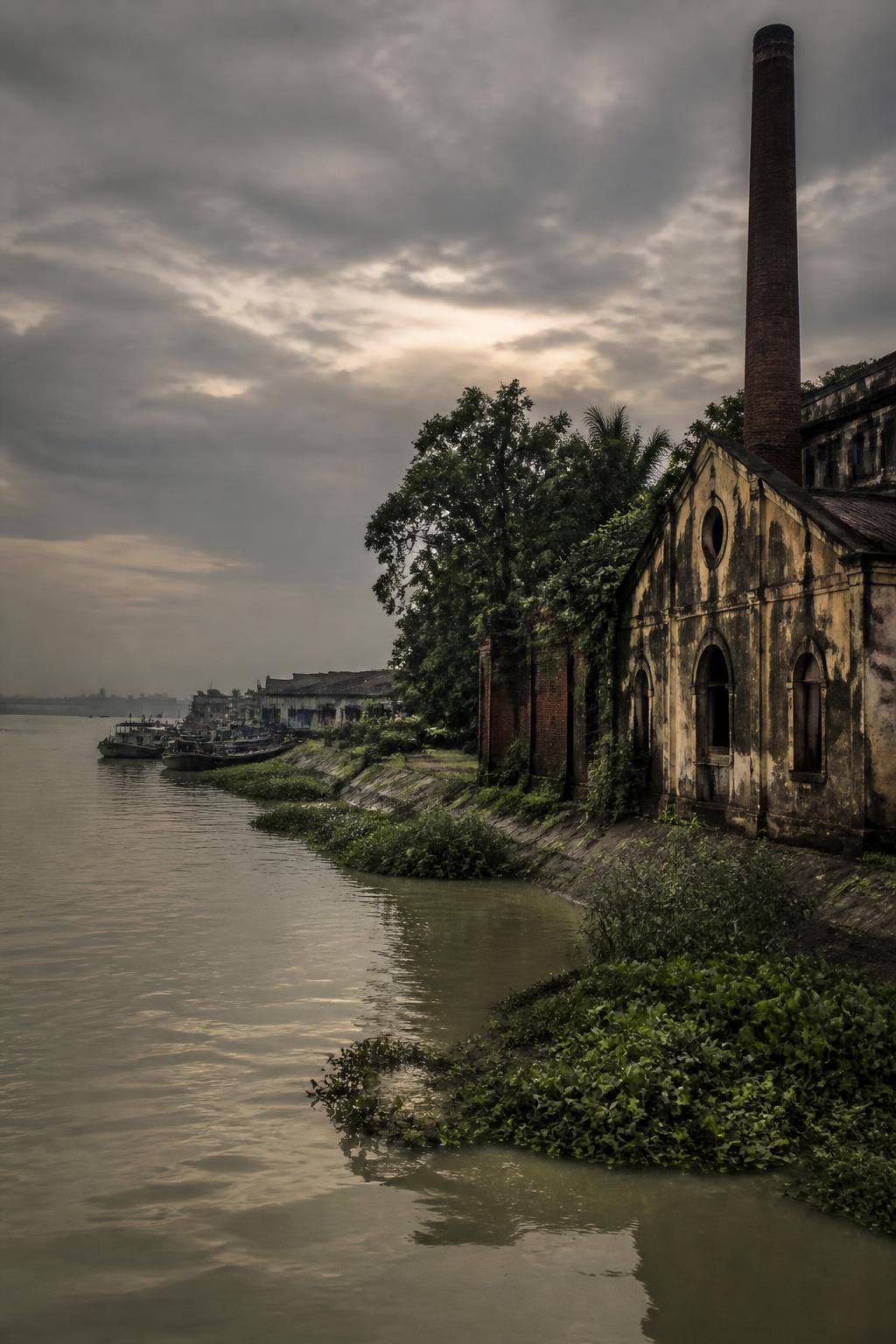
Kolkata’s Chinese history has a starting point outside the city most people picture. About 33 km away, near the Hooghly and present-day Budge Budge, Achipur is widely described by scholars as the first organized Chinese settlement associated with India. Its name comes from Yang Dazhao, known locally as Tong Atchew. In 1778, Atchew received land there and established a sugar mill, bringing Chinese labourers to the settlement. The enterprise eventually disappeared, but the place retained a powerful connection to Kolkata’s Chinese community. Atchew’s tomb and a Chinese temple still remain at Achipur, and the temple continues to draw visitors, especially around Lunar New Year. The origin point of the story is therefore not a restaurant district or an urban lane, but a riverside settlement whose first industry was sugar.
The story then moved into Tiretta Bazaar
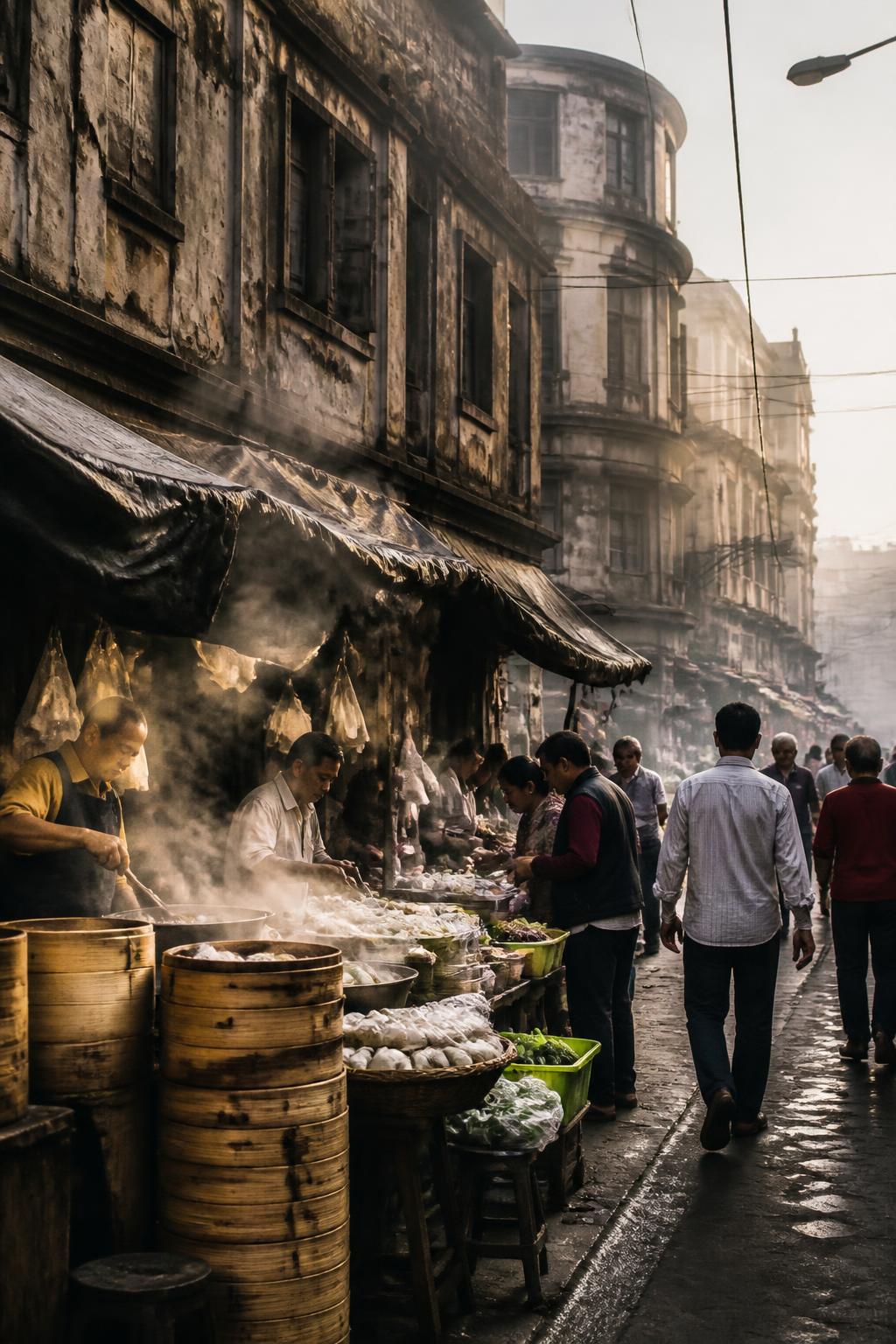
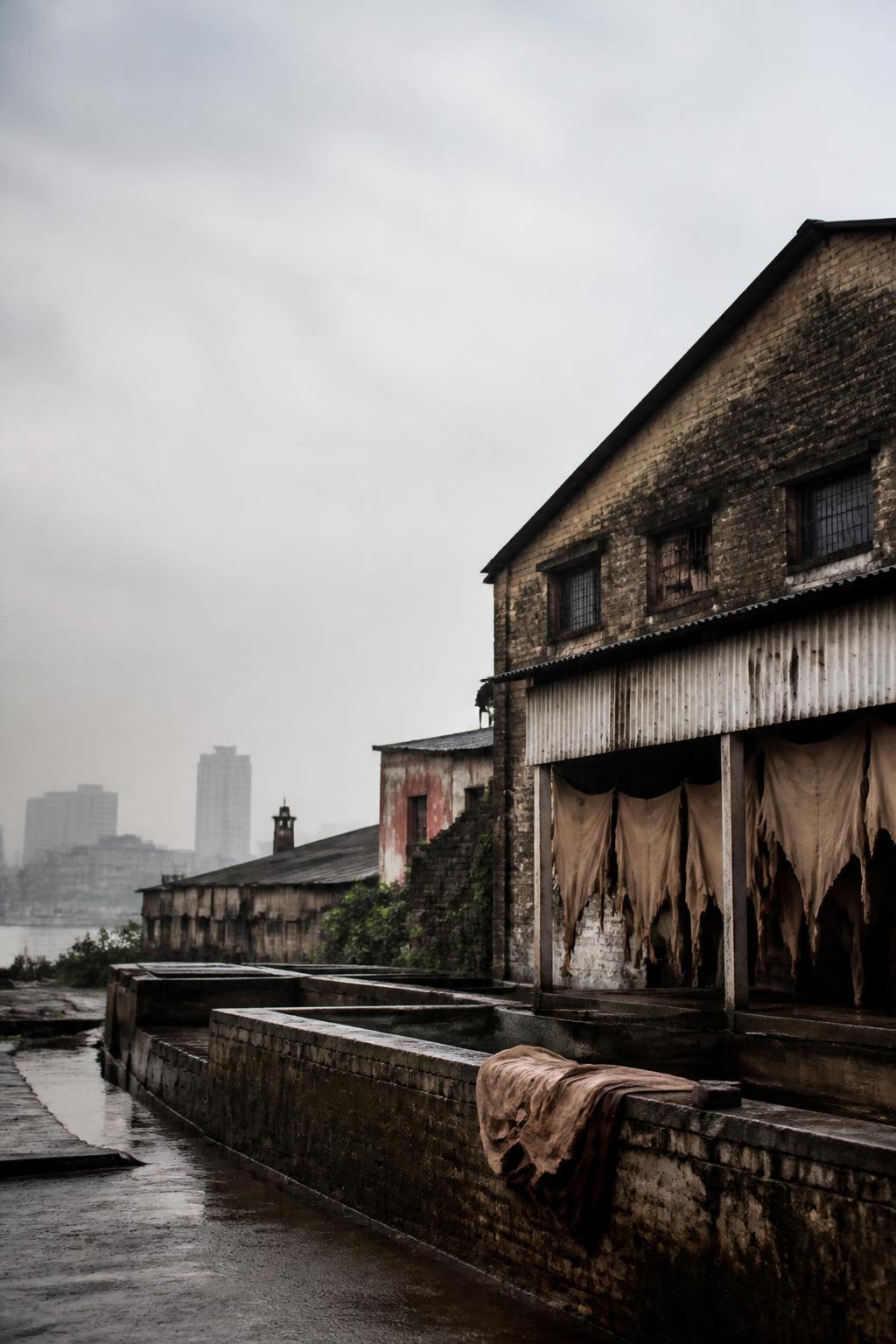
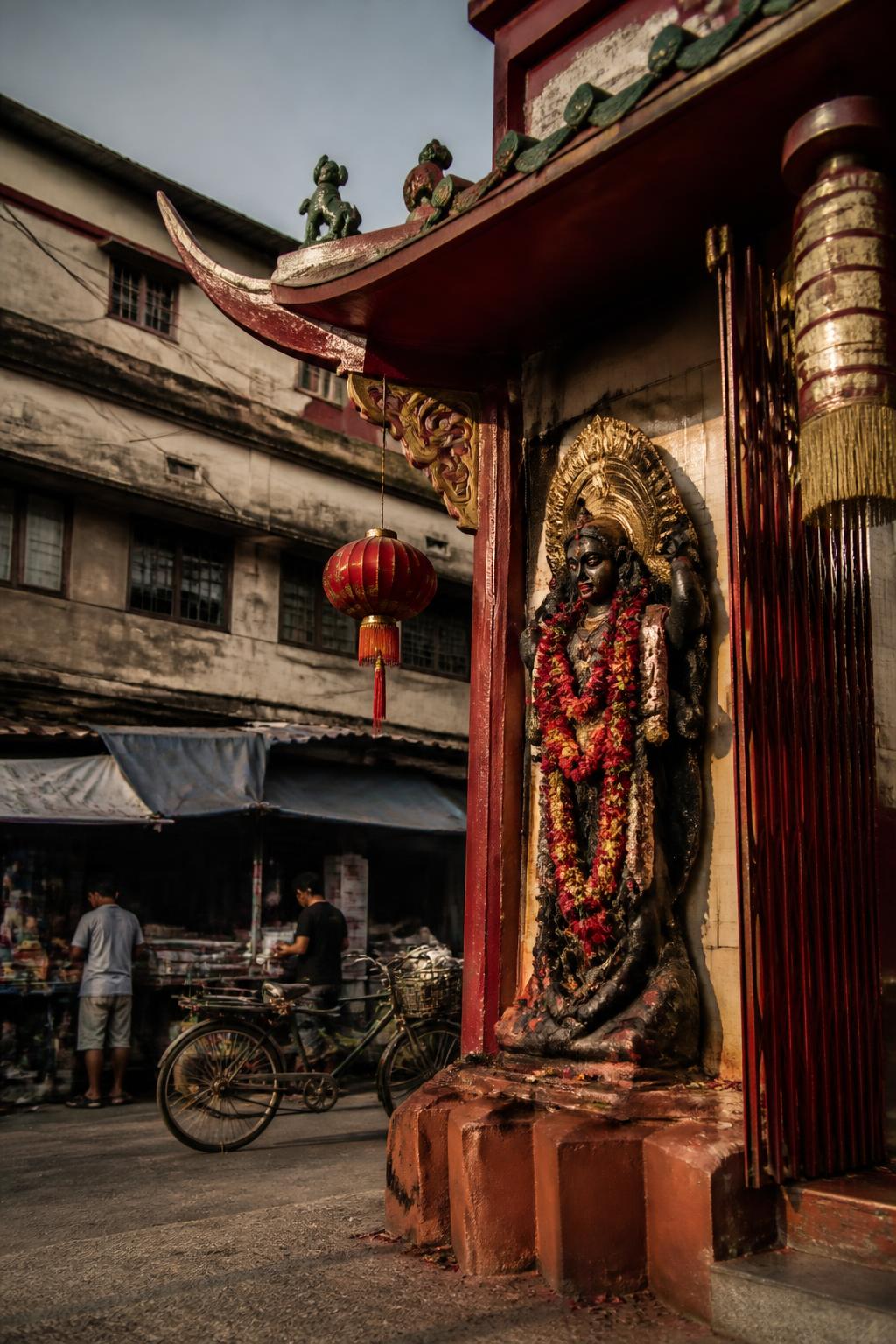
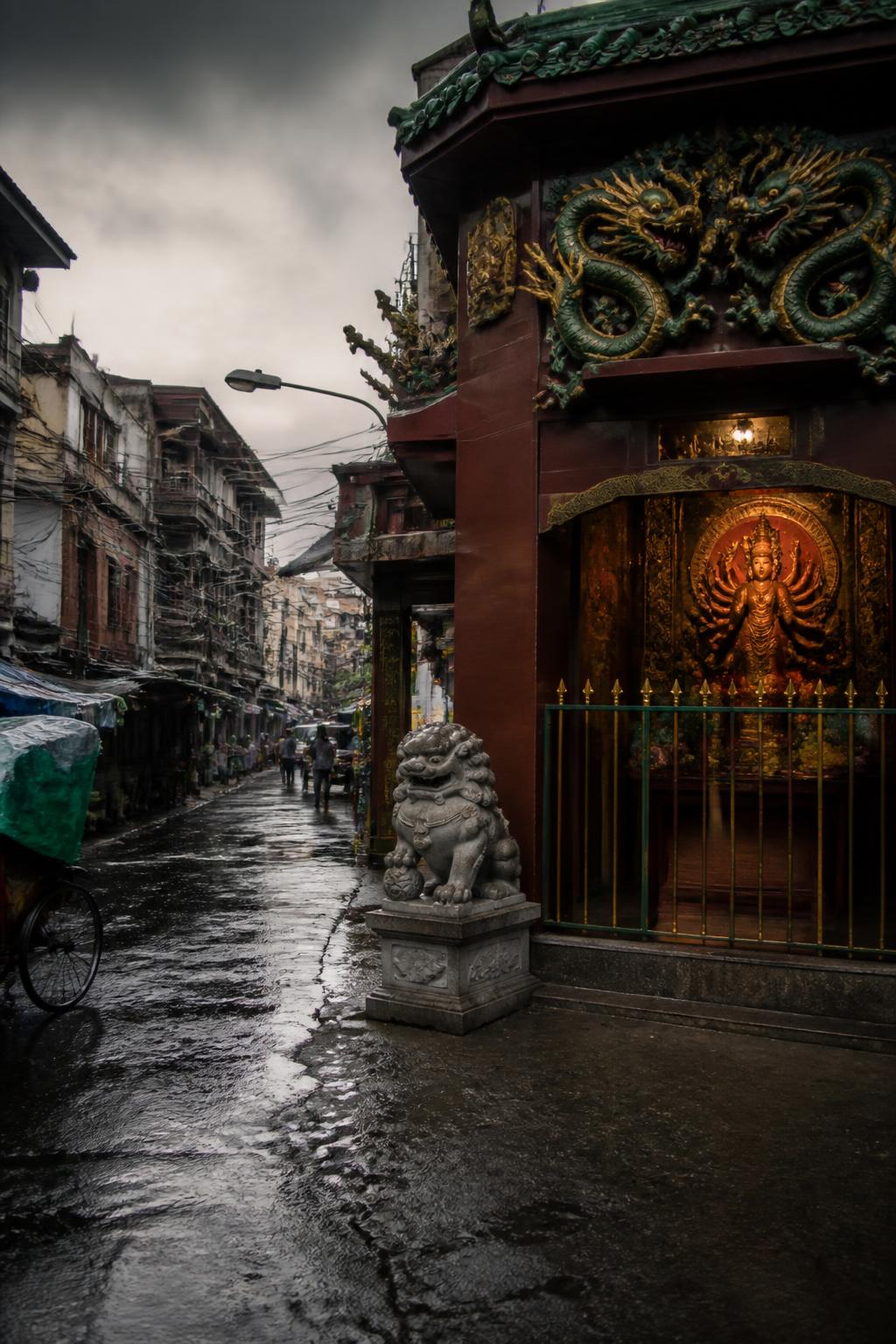
Achipur was only the beginning of a longer geographical story. As the early settlement declined, Chinese migrants built an important community in central Calcutta around Tiretta Bazaar and Cheenapara. This was a more urban chapter, shaped by neighbourhood life as well as work: temples, associations and different trades became part of the landscape. Tiretta Bazaar’s breakfast-market culture still keeps some of that history visible. Its stalls are more than a food destination; they are one surviving expression of a community that once made central Kolkata its home. The movement from Achipur to the city centre shows that Kolkata’s Chinese heritage was never confined to one fixed enclave. It developed through successive places, each carrying a different part of the story.