Jaipur’s famous squares were also water infrastructure
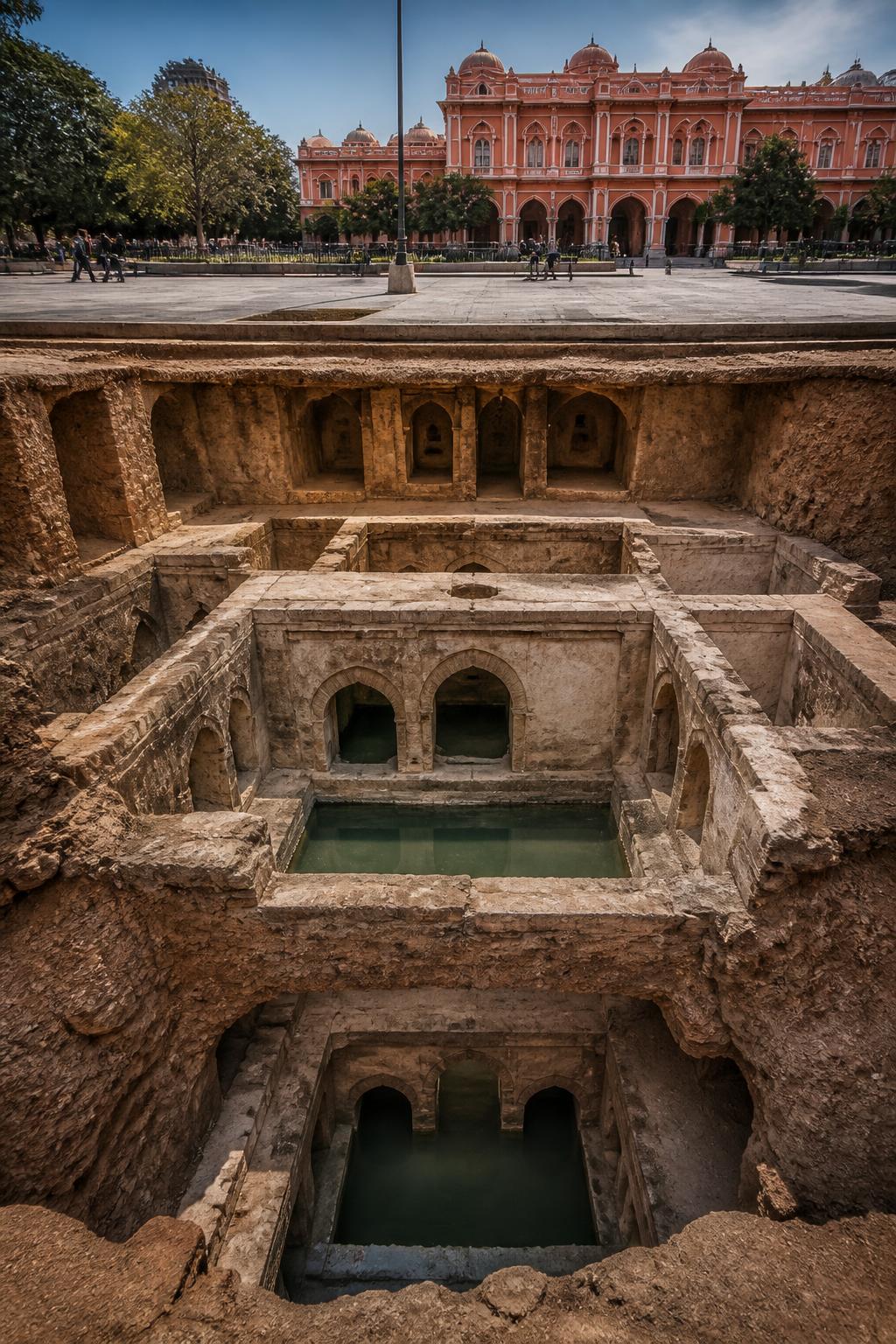
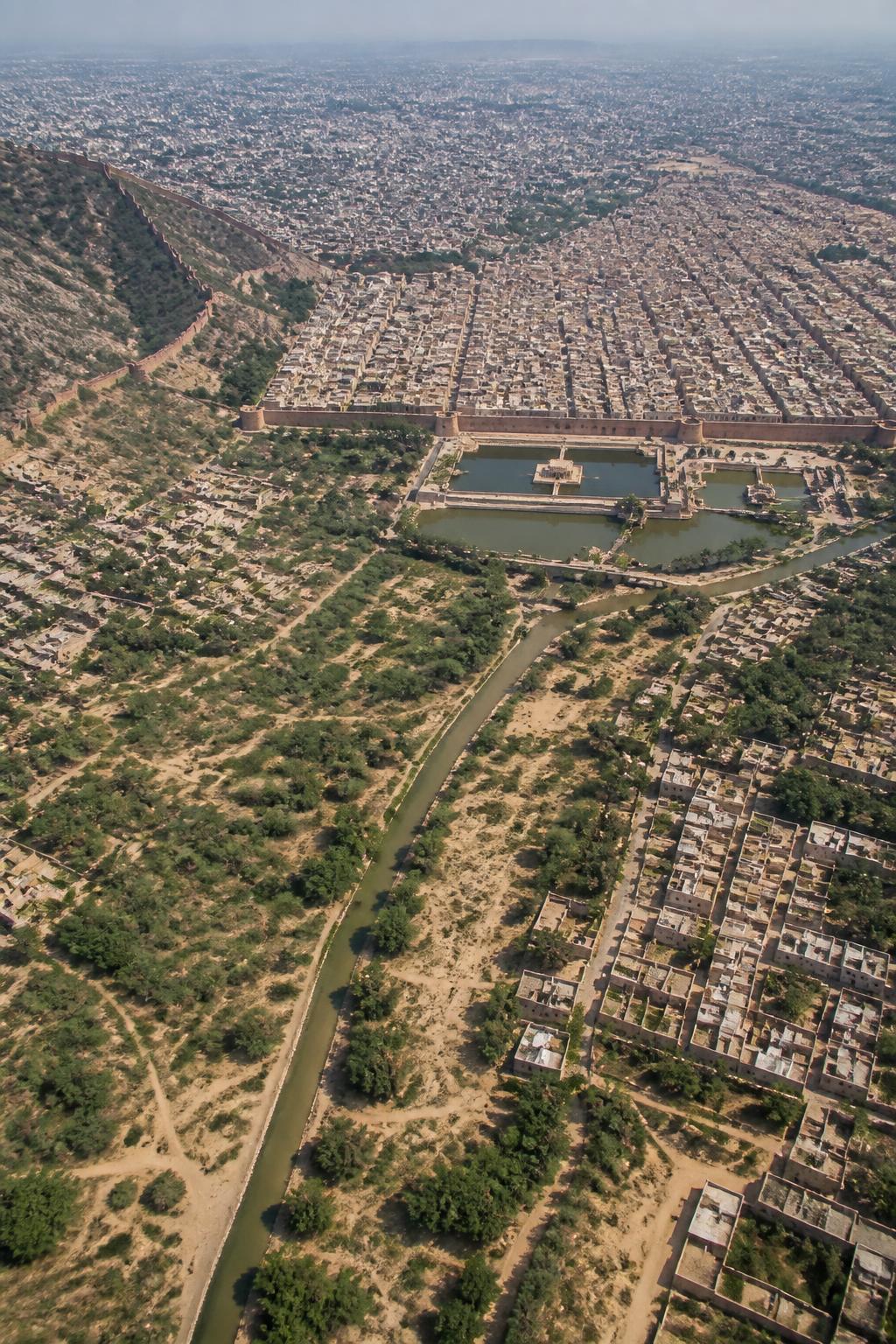
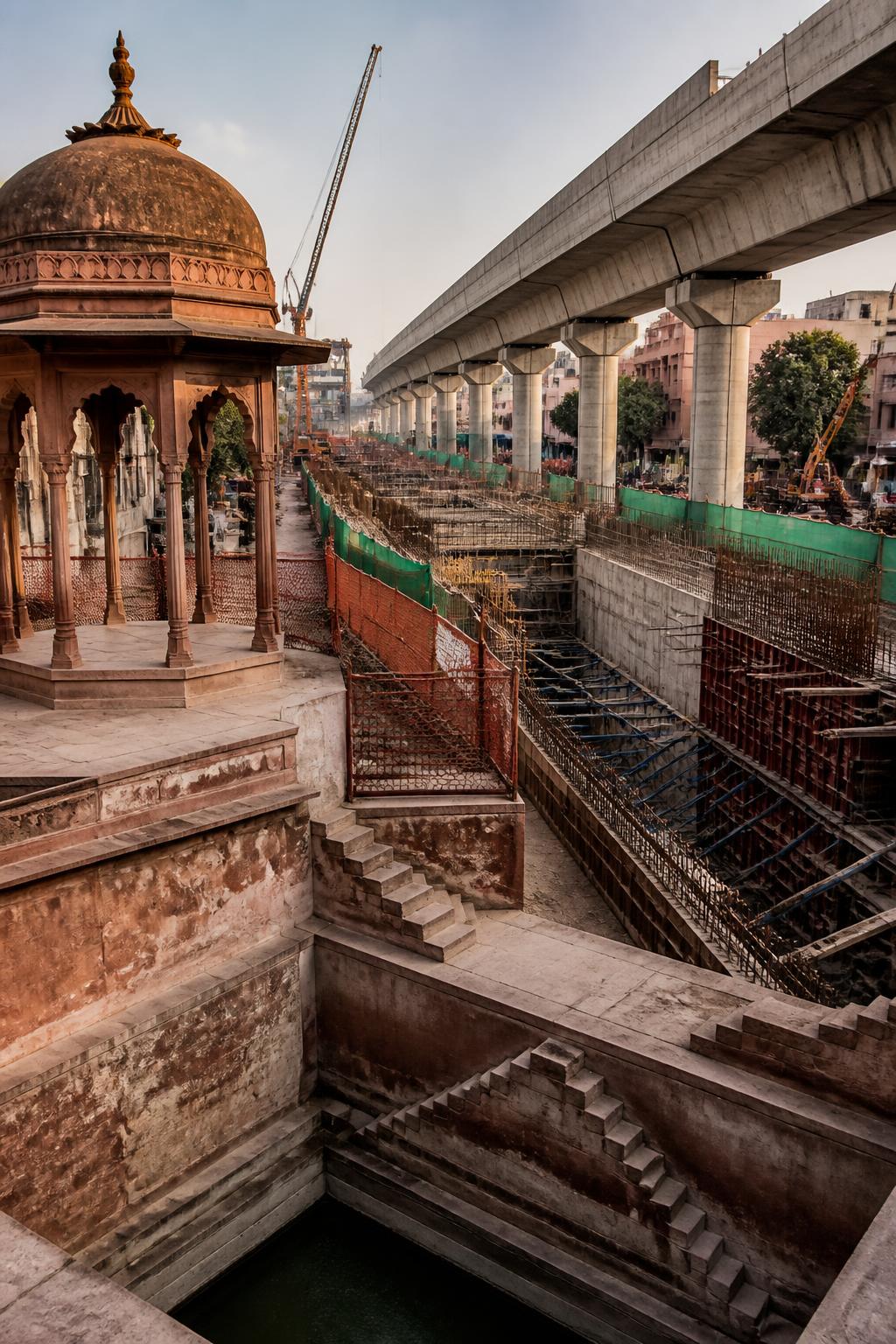
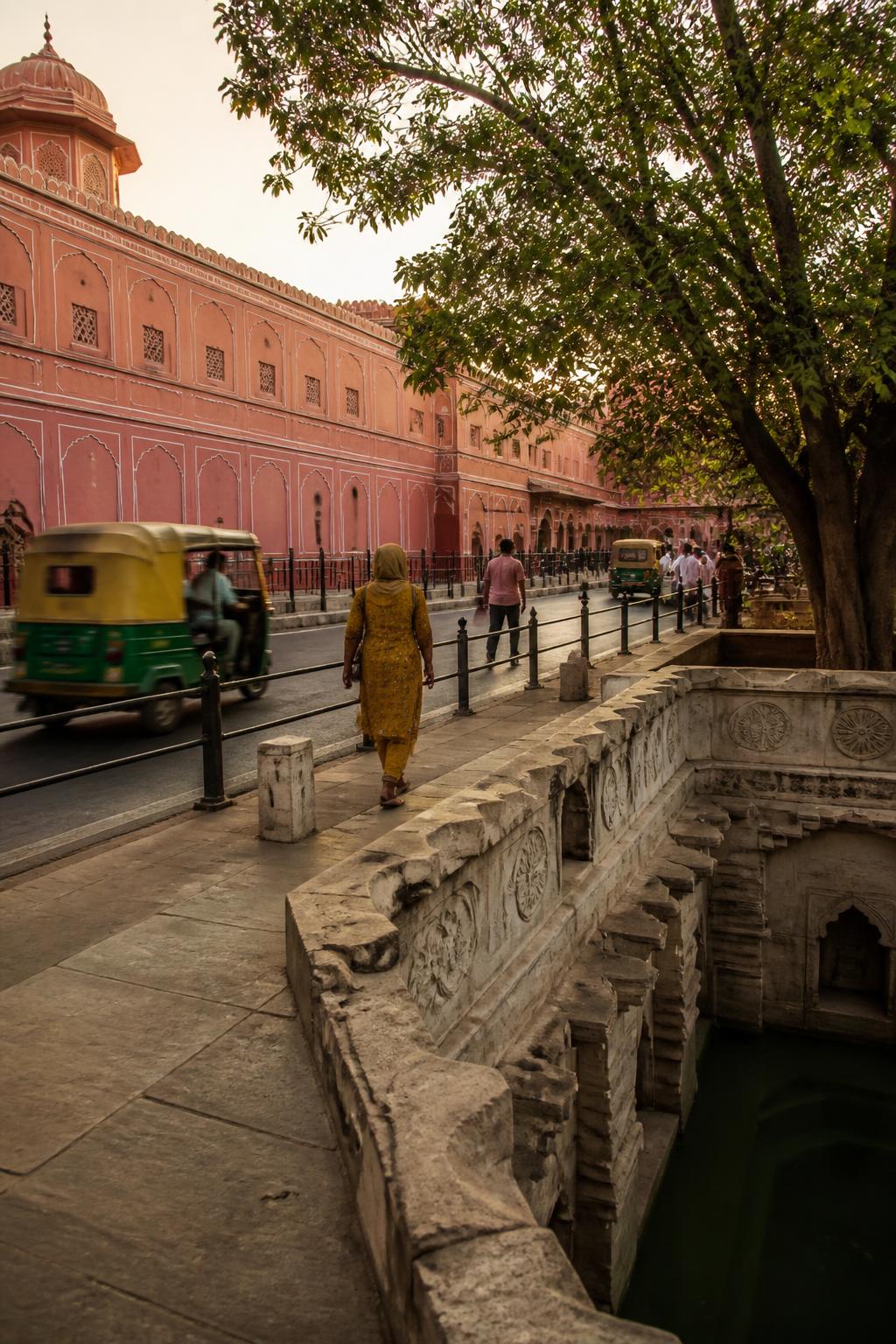
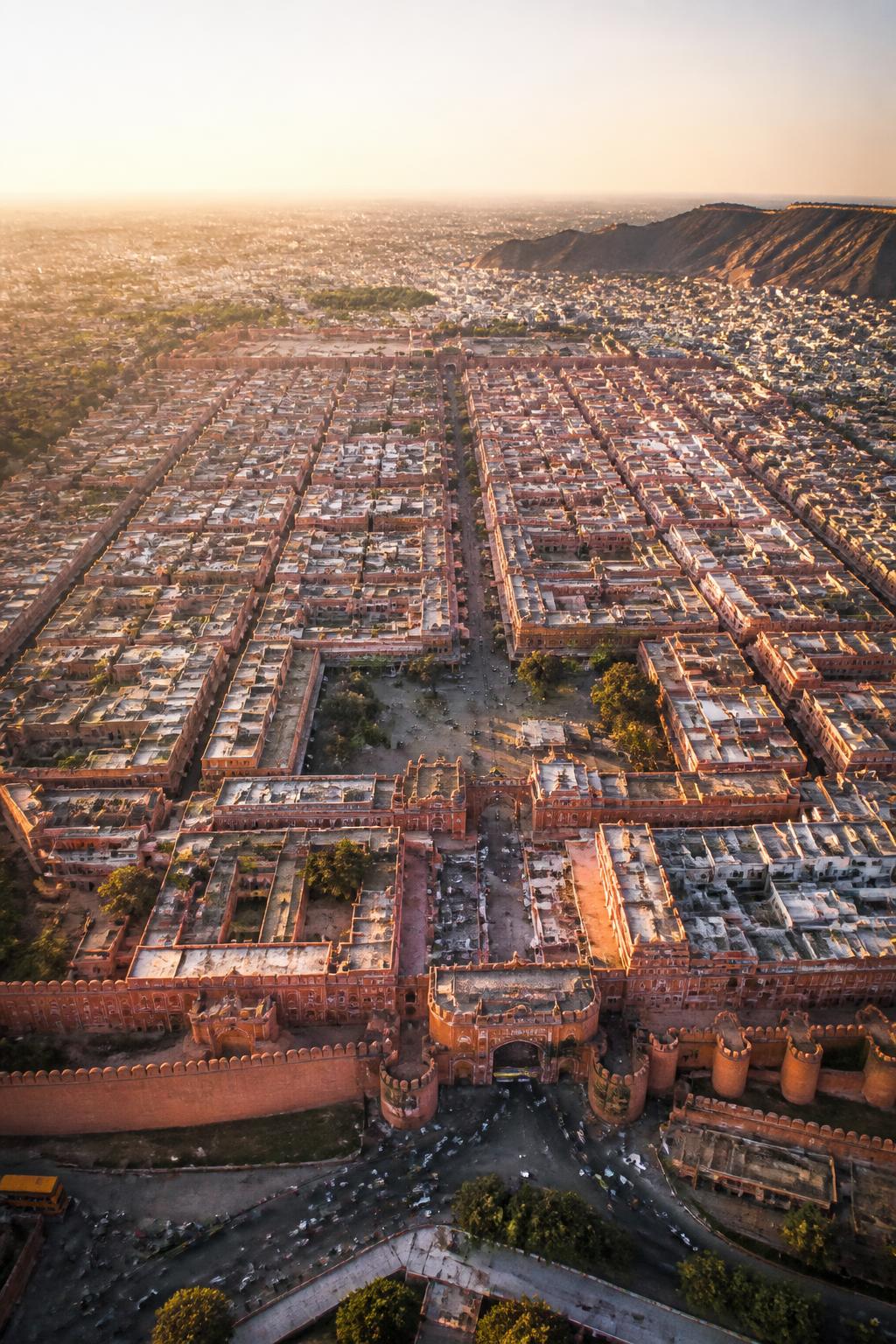
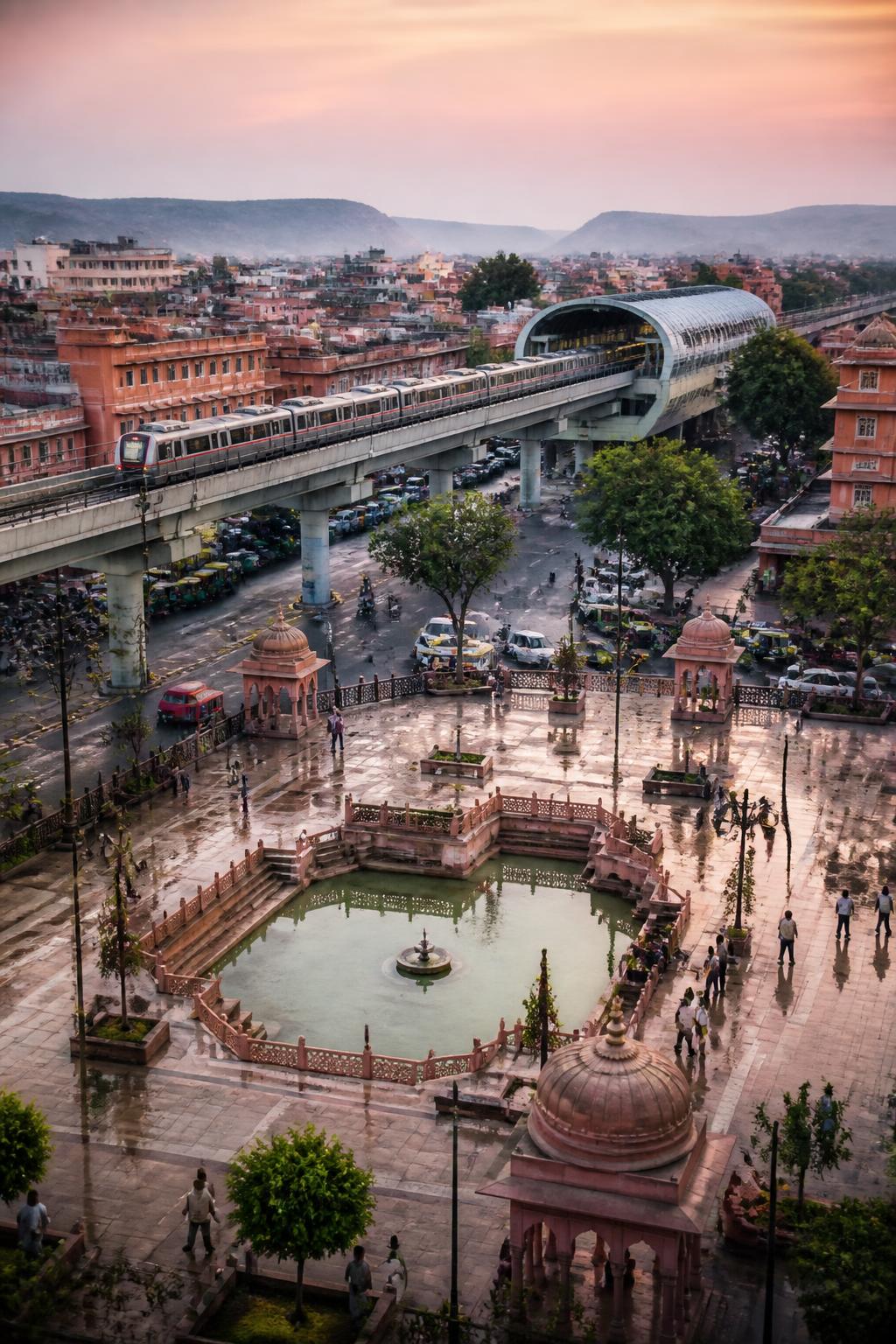
Chhoti Chaupar and Badi Chaupar are now associated with markets, movement and metro stations. Historically, they were also public water spaces. UNESCO documentation describes Jaipur’s chaupars as public squares with central water bodies, supplied by underground canals. Residents collected water from tanks located in these shared urban spaces. The squares were therefore not separate from the city’s water system; they were visible public points within it. That makes the modern plaza above only one layer of the site’s story. Beneath the activity is evidence of an older arrangement in which water storage, circulation and public life were designed together.
Two layers of tanks—and channels in every direction
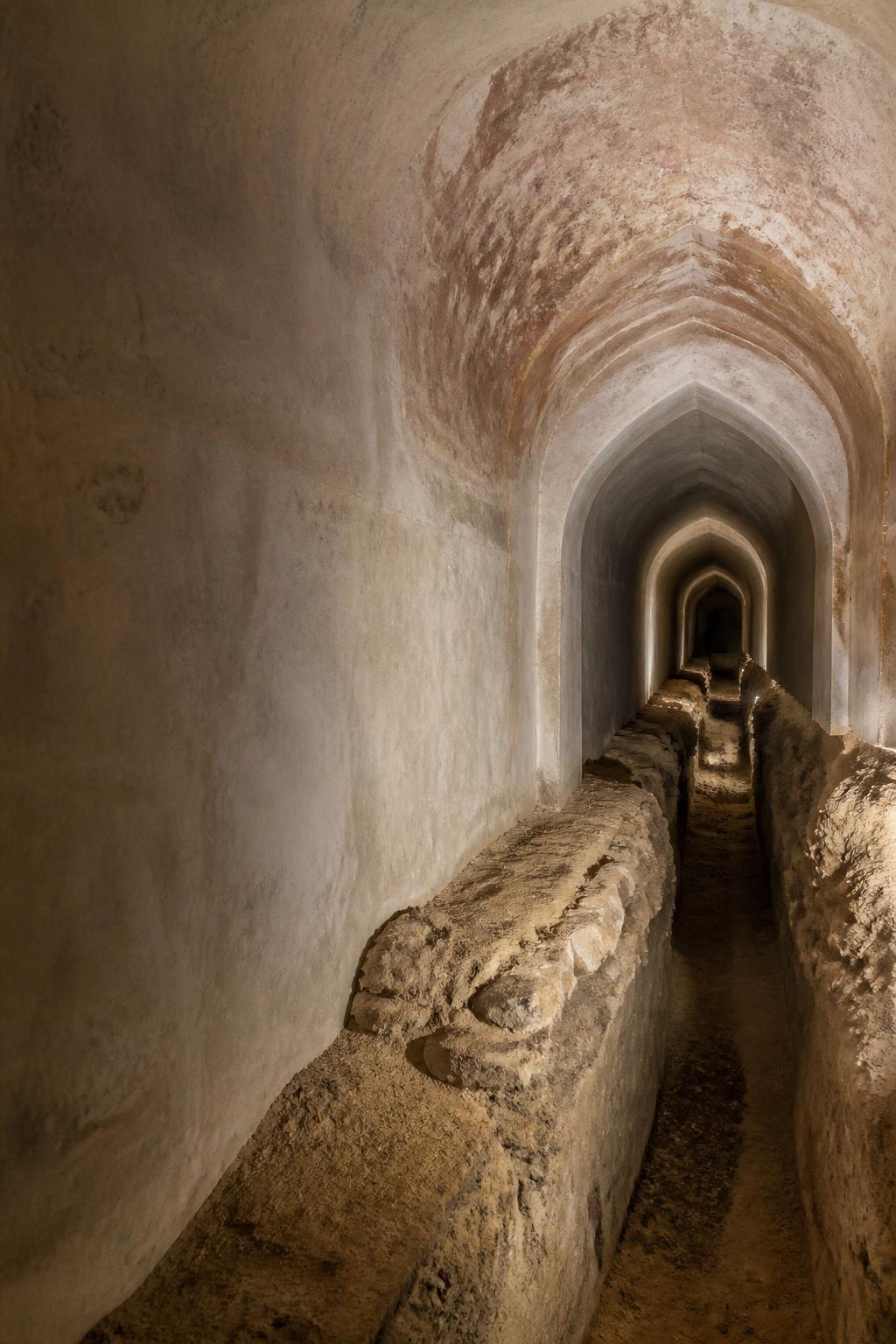
Metro construction exposed more than a single buried reservoir. A Rajasthan government monitoring report records two layers of historic water tanks at both Chhoti Chaupar and Badi Chaupar, with tunnels extending in all four cardinal directions. At Chhoti Chaupar, excavation revealed four historic tunnels used as inlet and outlet channels for the kund. One northern tunnel was excavated for approximately 80 metres. Its arched masonry and lime-plastered walls make the system legible not merely as a buried cavity, but as carefully built hydraulic architecture.