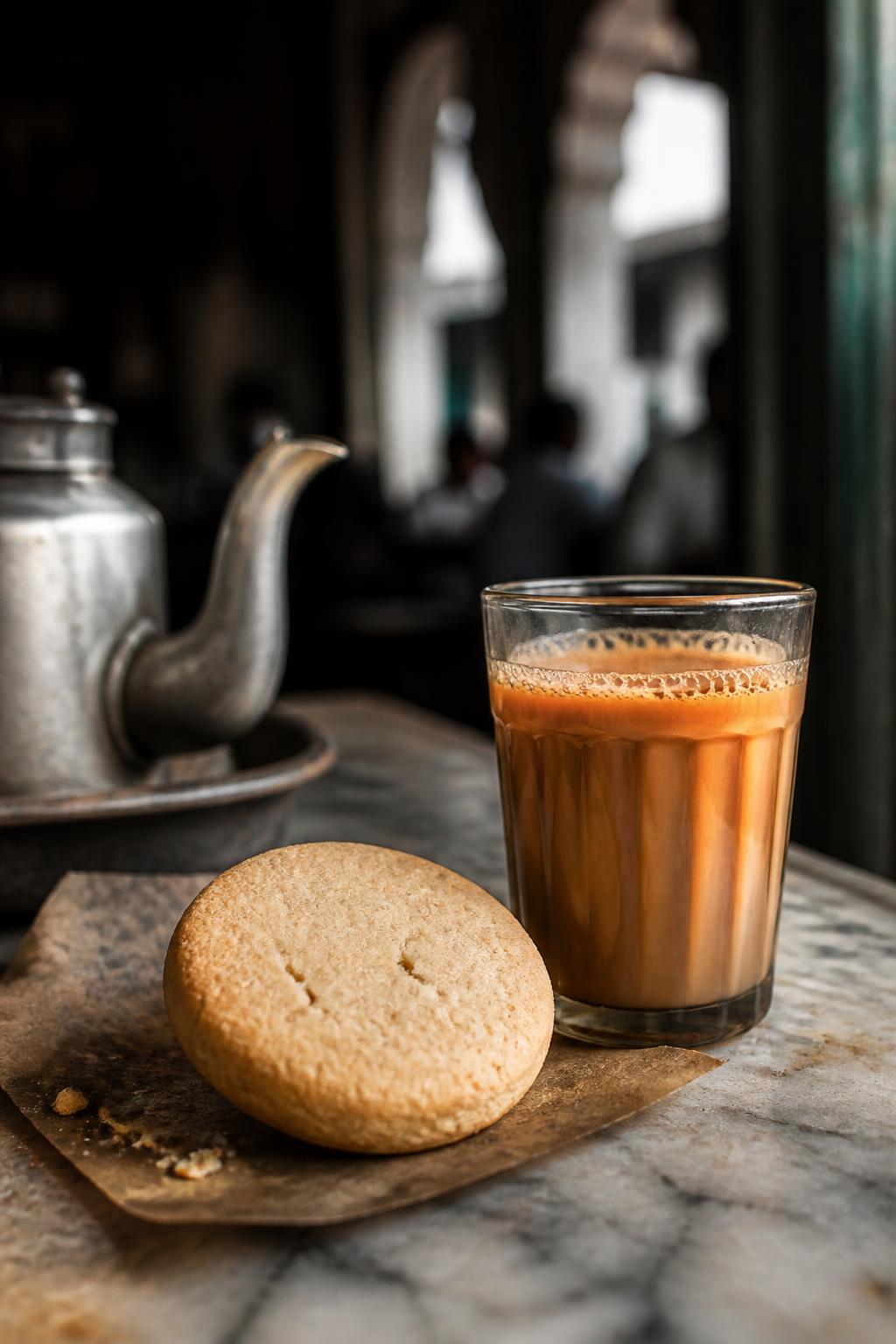
A biscuit with a split personality
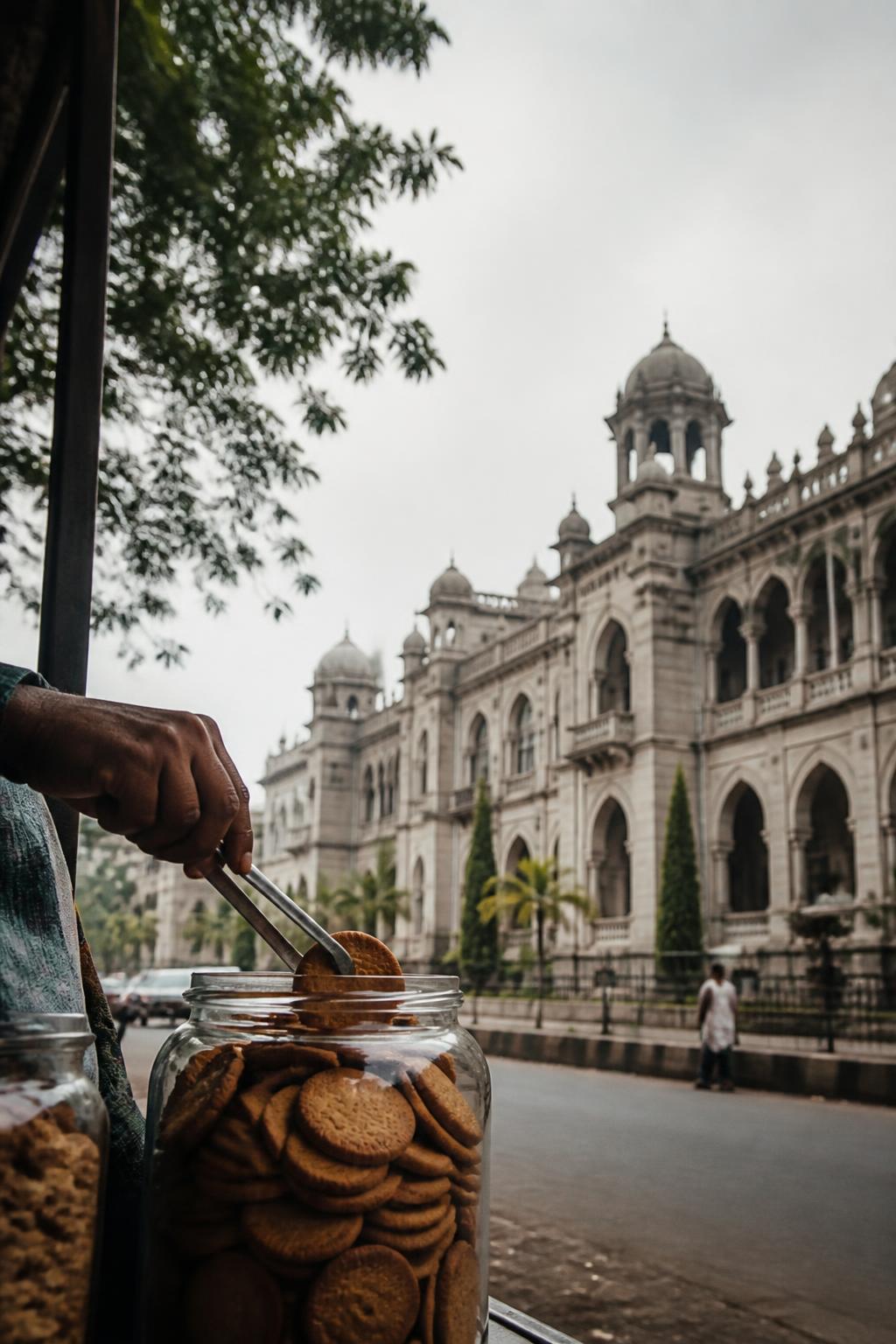
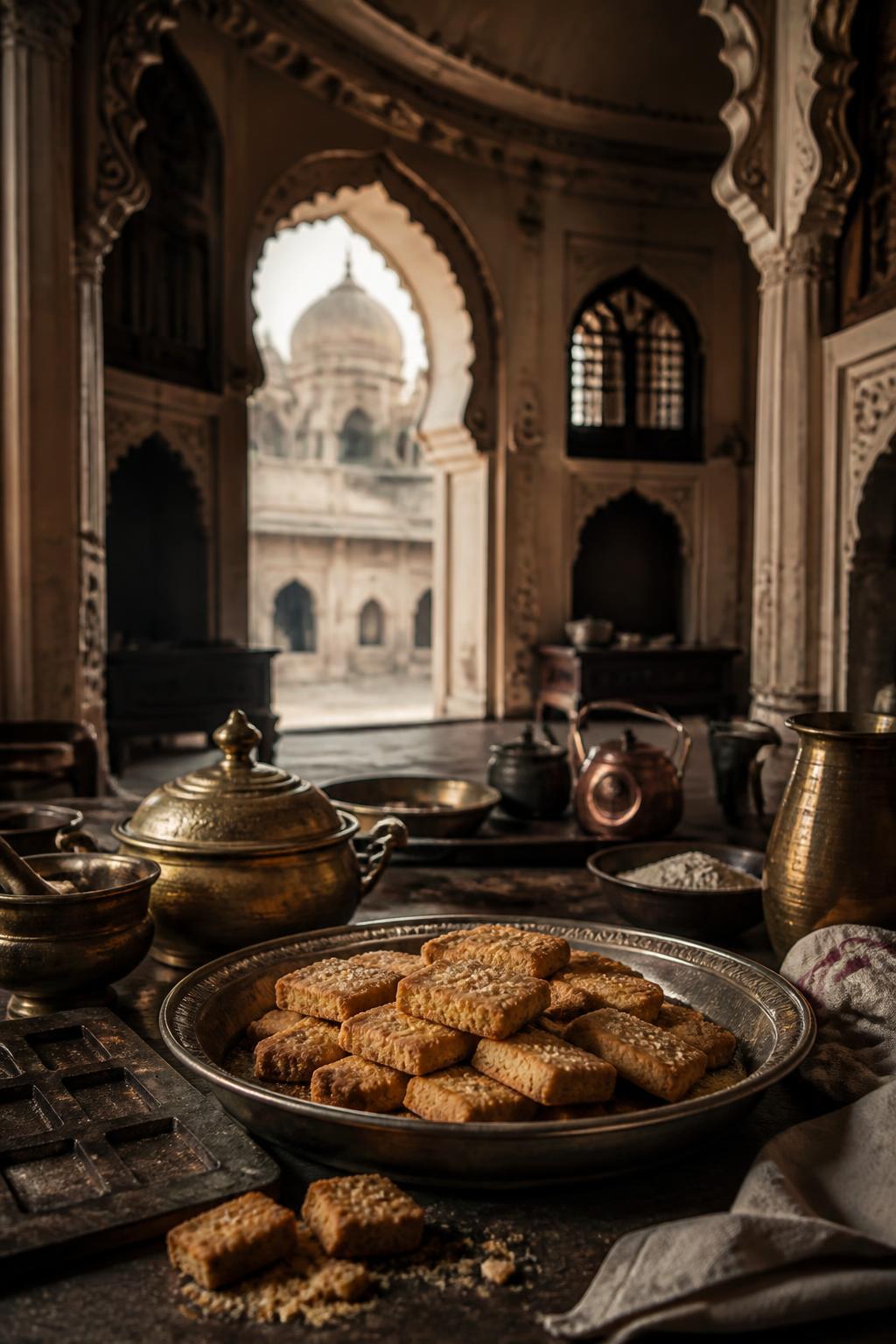
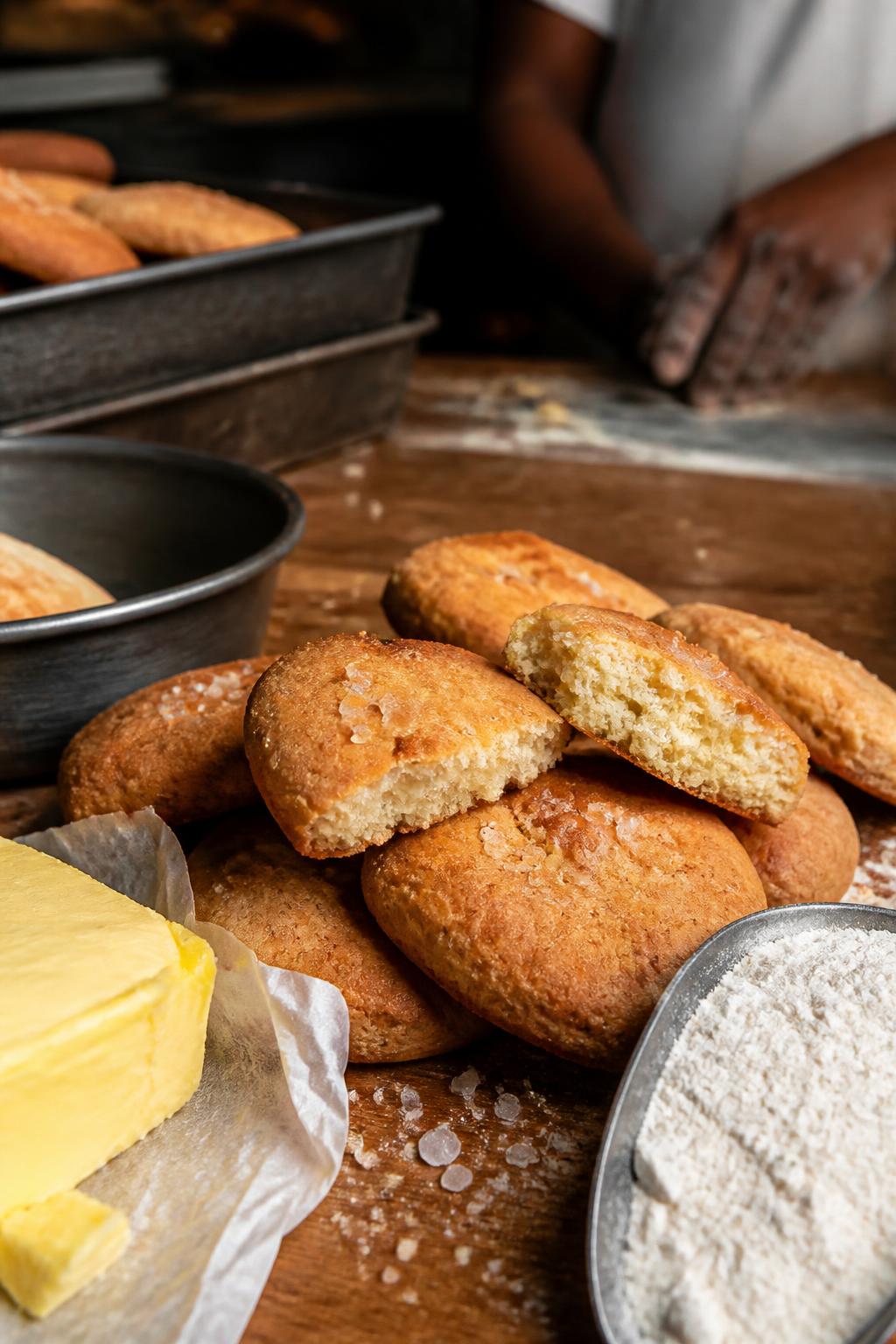
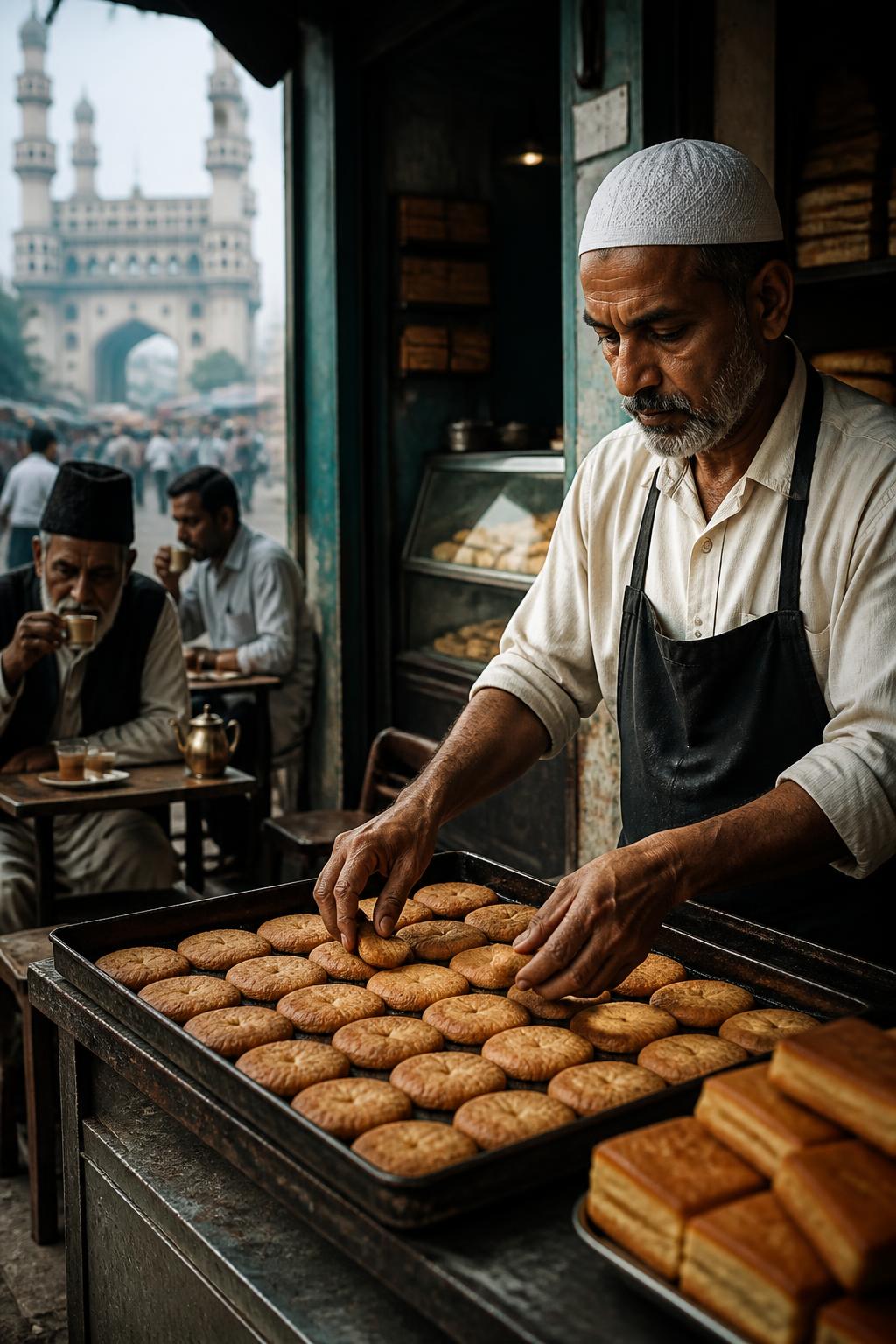
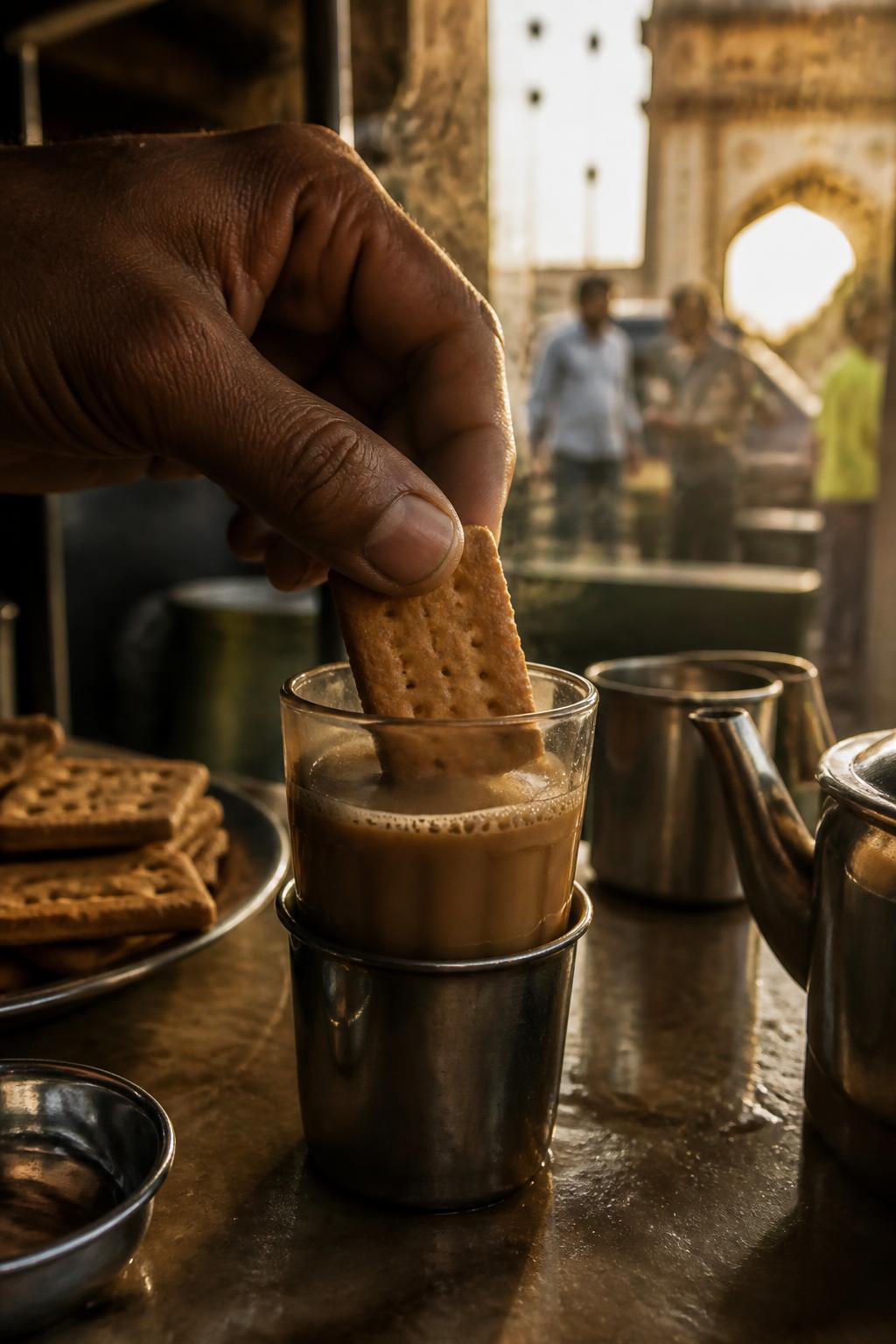
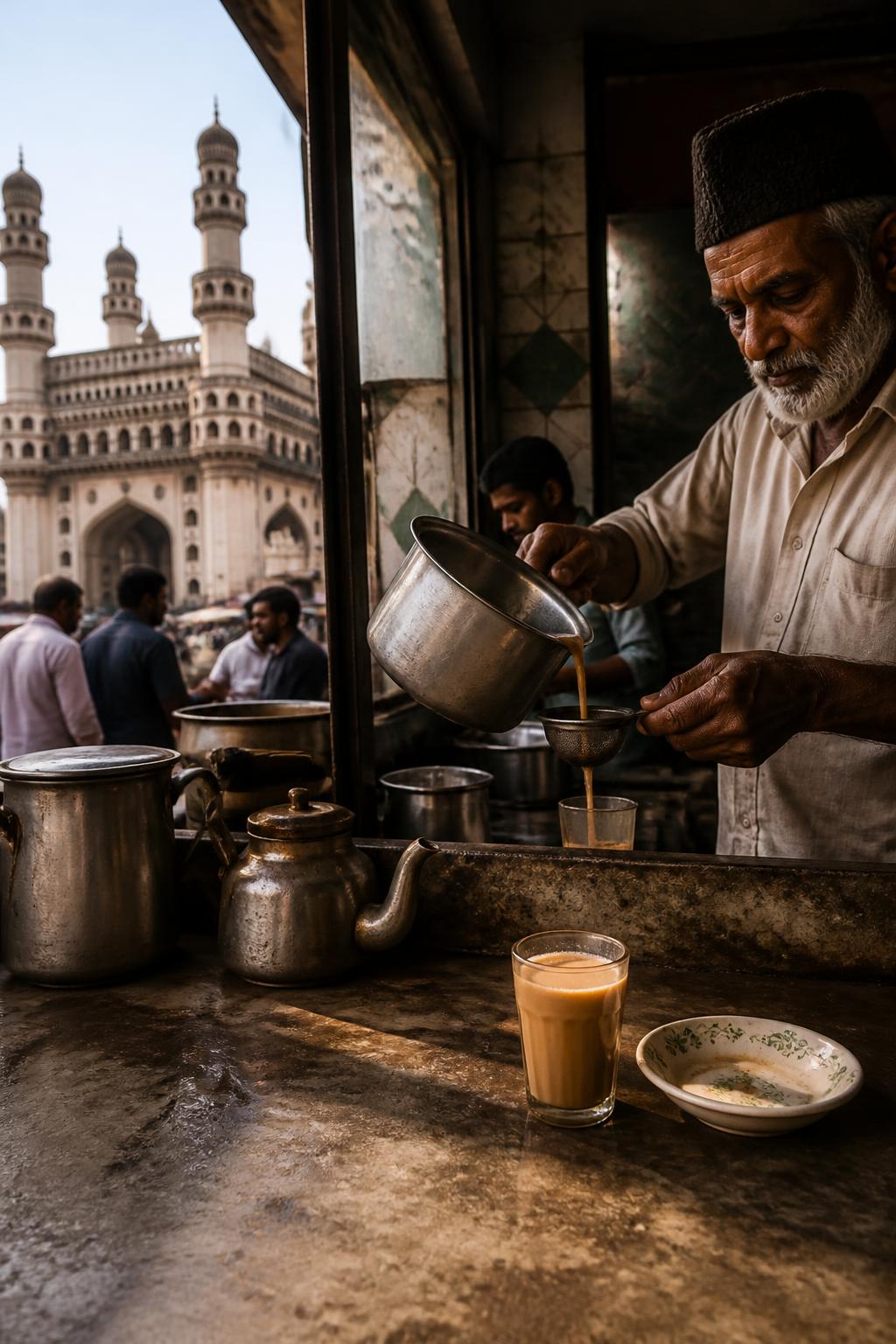
The Osmania biscuit looks uncomplicated: pale, round and buttery, usually placed beside a glass of dark, milky Irani chai. Yet its origin story is unusually divided. One account begins in a hospital, where dieticians are said to have developed a light, energy-giving food for patients. Another leads to the Nizam’s royal kitchen, where the biscuit was supposedly made for Mir Osman Ali Khan and later acquired the name “Osmania.” Both versions appear in reporting about Hyderabad’s food history. The important point is not to choose one as proven. The biscuit’s story remains a documented local tradition with two competing explanations—one tied to patient food, the other to royal taste.
Did it begin on a patient’s menu?
The most surprising version says the Osmania biscuit was developed at Osmania General Hospital. In this telling, dieticians created a light, energy-giving biscuit for patients—an origin far removed from the image of a bakery treat accompanying café tea. The New Indian Express records this as a widely circulating story, while also making clear that it is not established archival fact. That distinction matters. The hospital account is strong enough to explain why the biscuit’s origin feels so unexpected, but the available reporting does not prove that the hospital invented it. Instead, it survives as one of Hyderabad’s best-known food traditions: a story repeated alongside the biscuit itself.