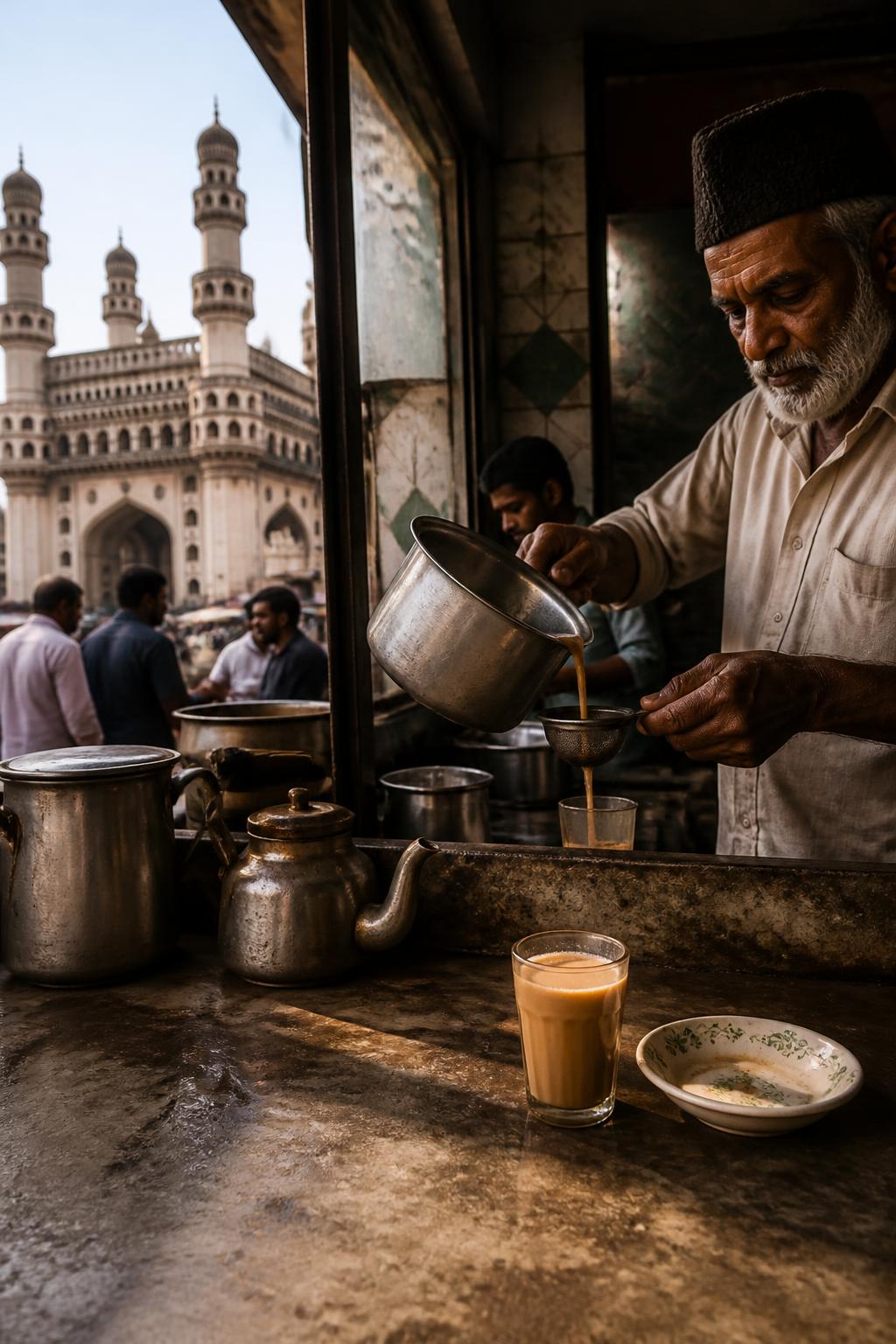
A migrant history in every cup
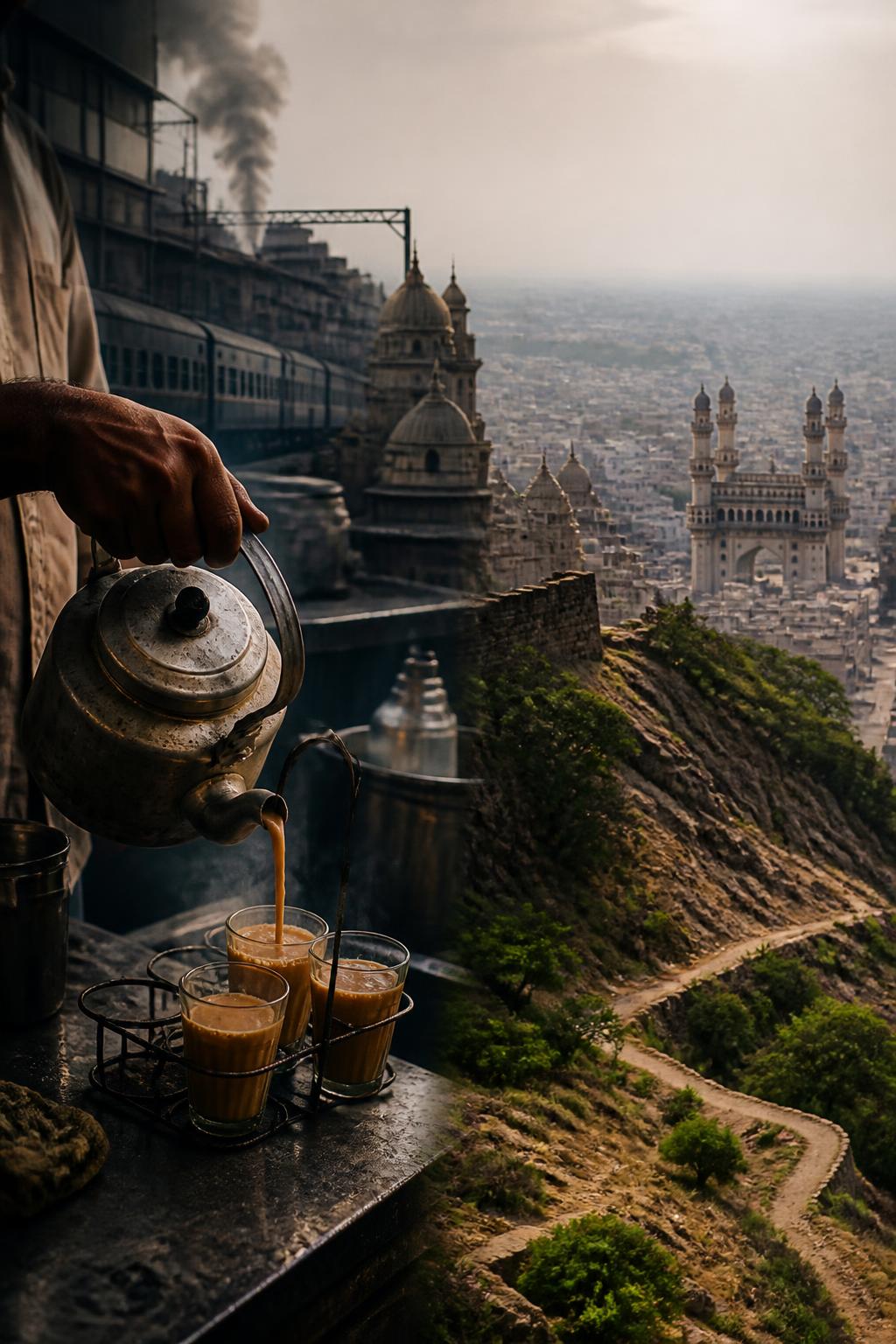
The word “Irani” preserves the drink’s connection to Persian and Iranian migrants, but the Hyderabad cup is not simply an unchanged import. According to the Government of India’s tourism portal, Irani chai reached Hyderabad through Persian immigrants who first landed in Mumbai and later moved to Pune and Hyderabad. That route matters: café culture travelled through western India before taking root in the Deccan. In Hyderabad, the inherited tradition became part of the city’s everyday food culture, alongside other blended cuisines and communities. The name remembers where the story travelled from; the taste records what happened after it arrived.
Two brews, one Hyderabad pour
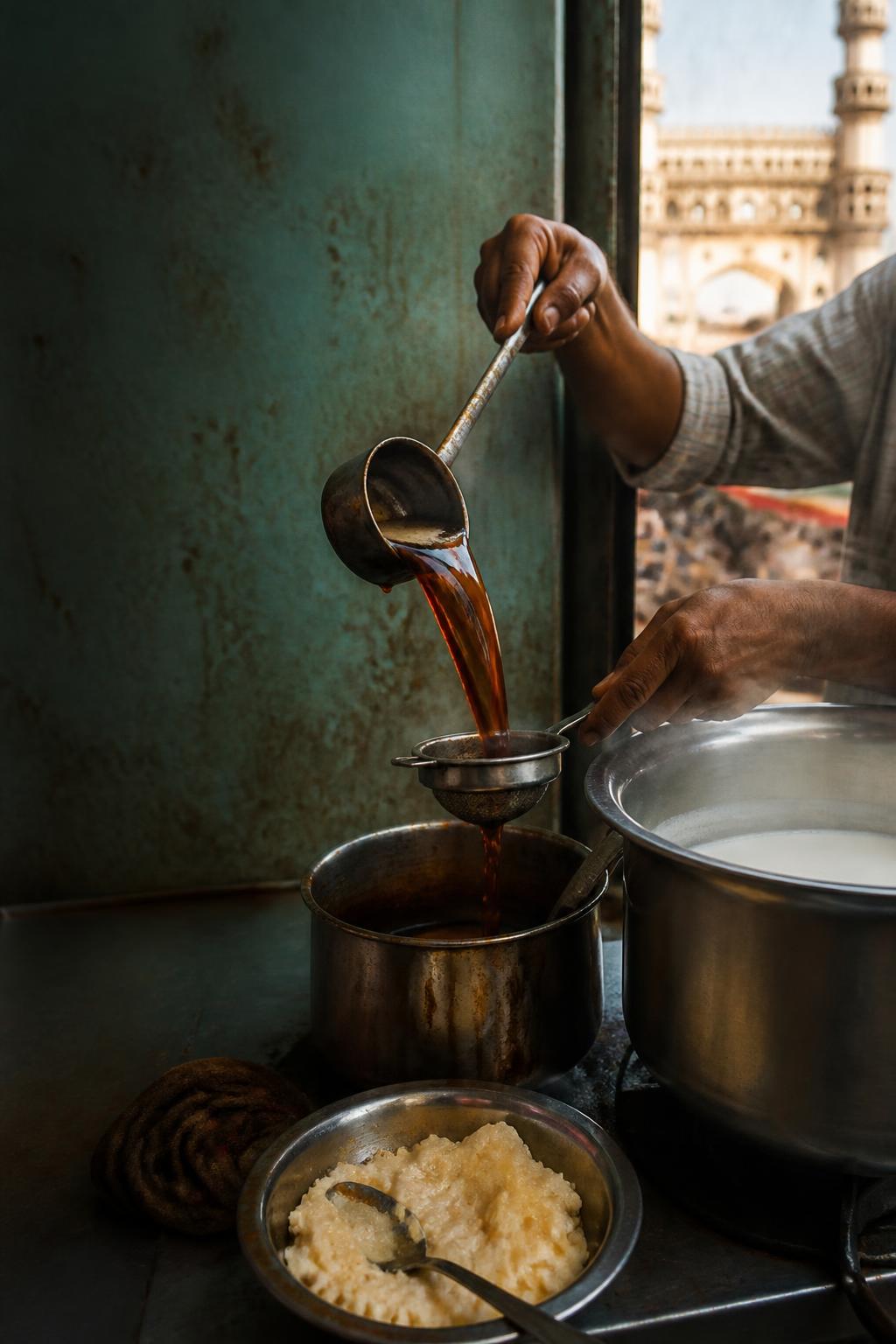
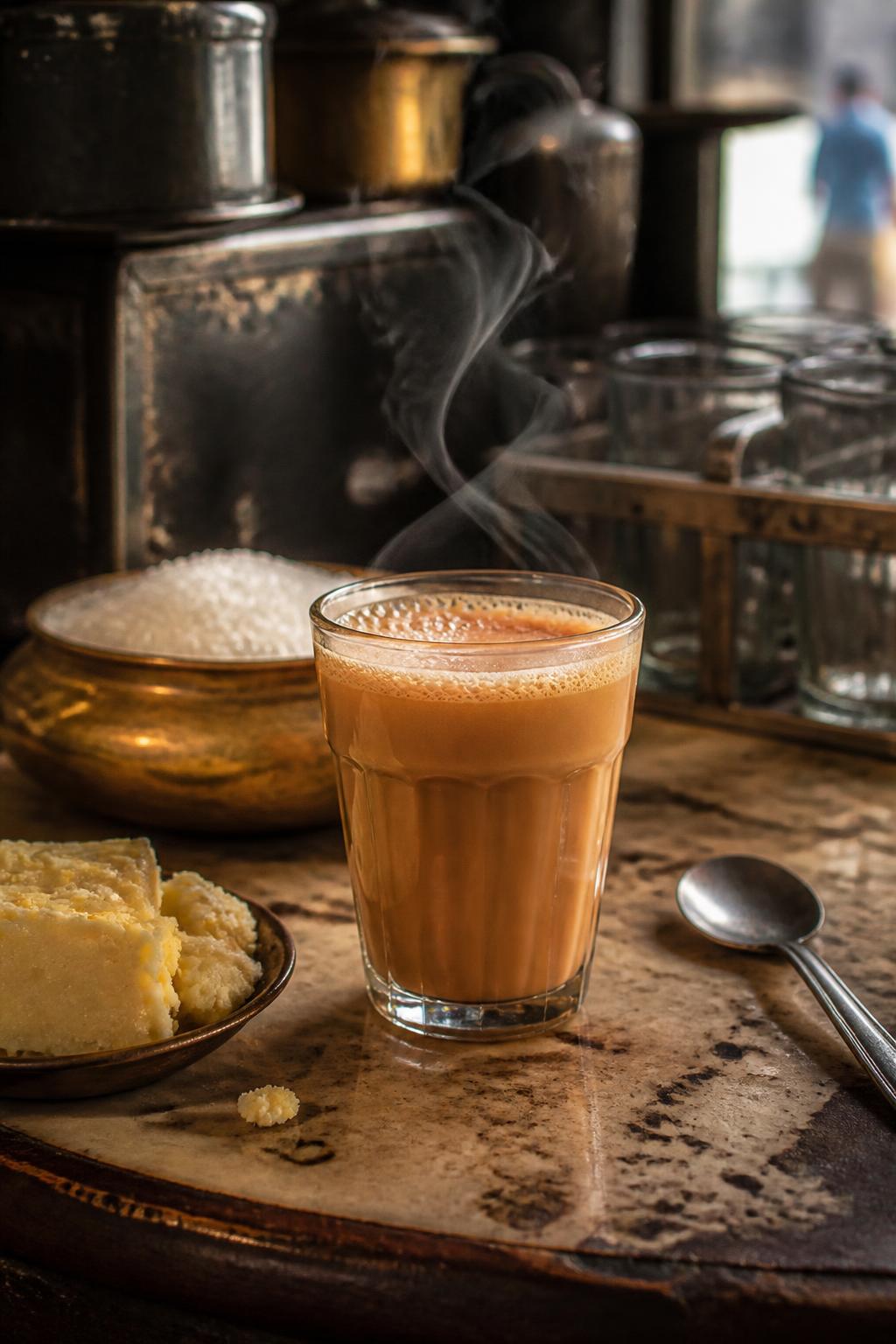
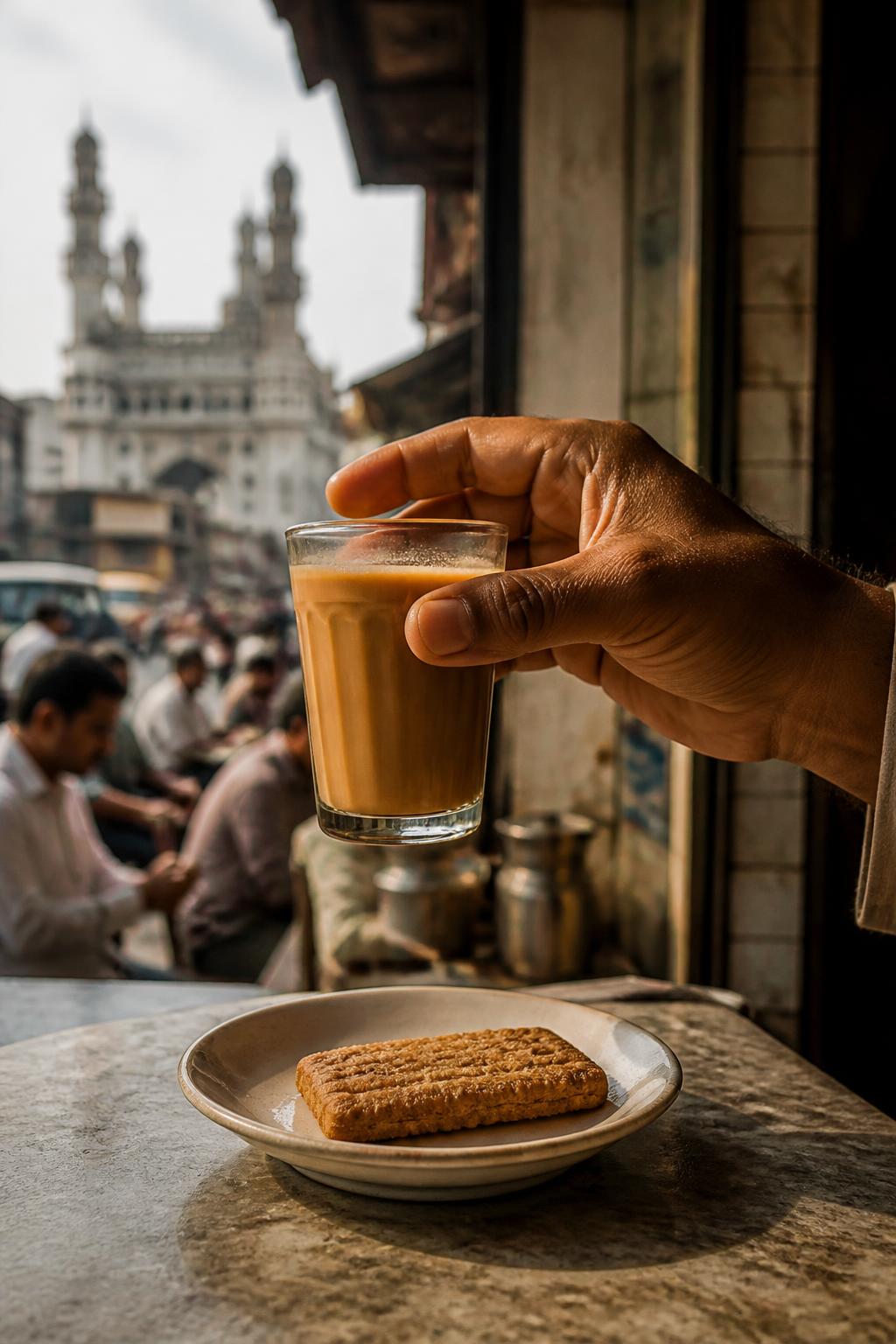
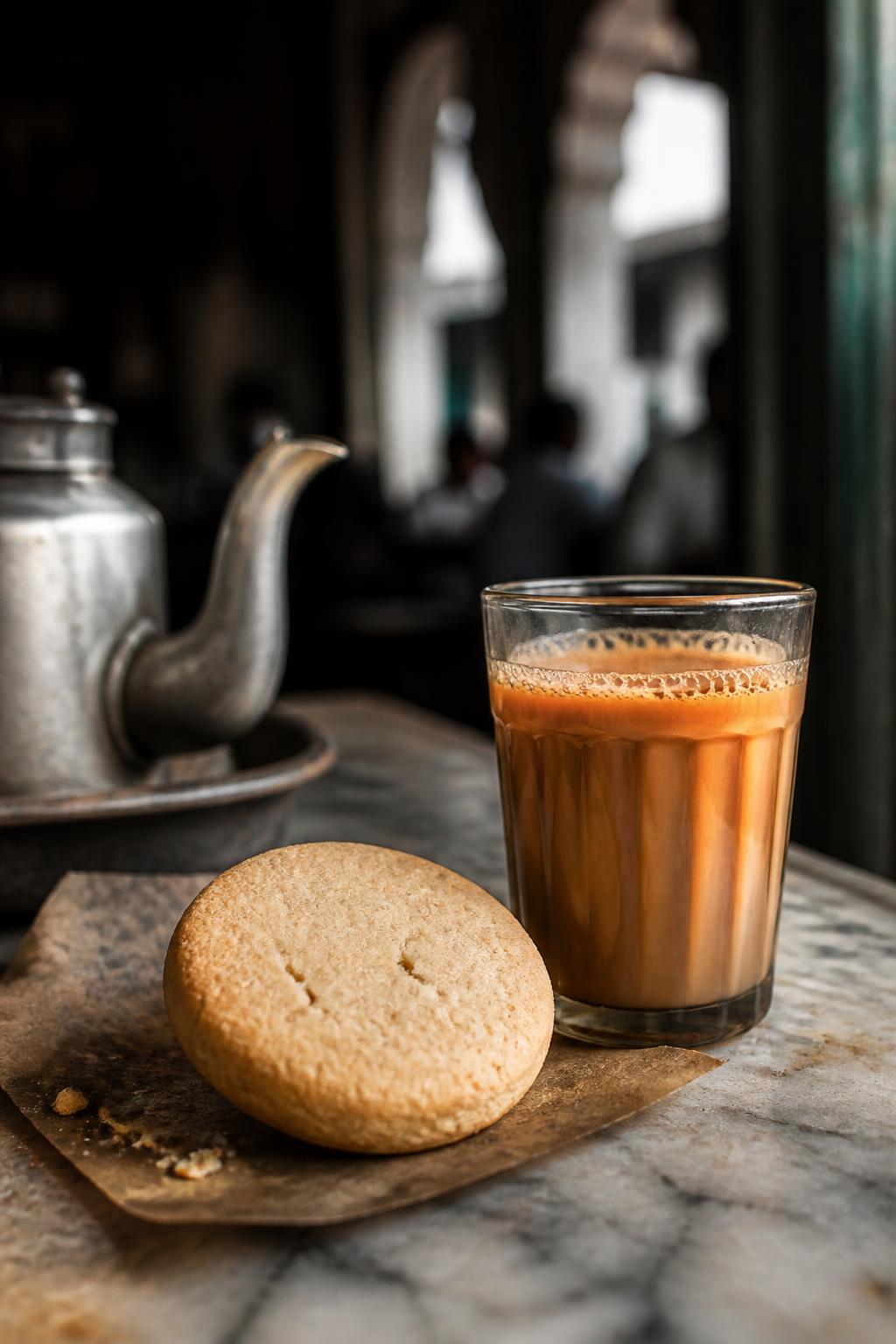
Hyderabad’s version is defined by a split preparation. Tea leaves are brewed separately into a strong decoction, while milk is boiled on its own and combined with the tea only at serving time. Khoya or mawa may be added, giving the drink extra richness. This is not just a serving ritual: it helps explain why Irani chai feels different from ordinary chai. The concentrated tea and creamy milk remain distinct parts of the cup before they meet. The result reflects a cultural exchange described in culinary-history accounts as Persian tea brewing meeting Indian preferences for sweet, creamy milk tea.
Hyderabad did not merely receive the drink—it remade it
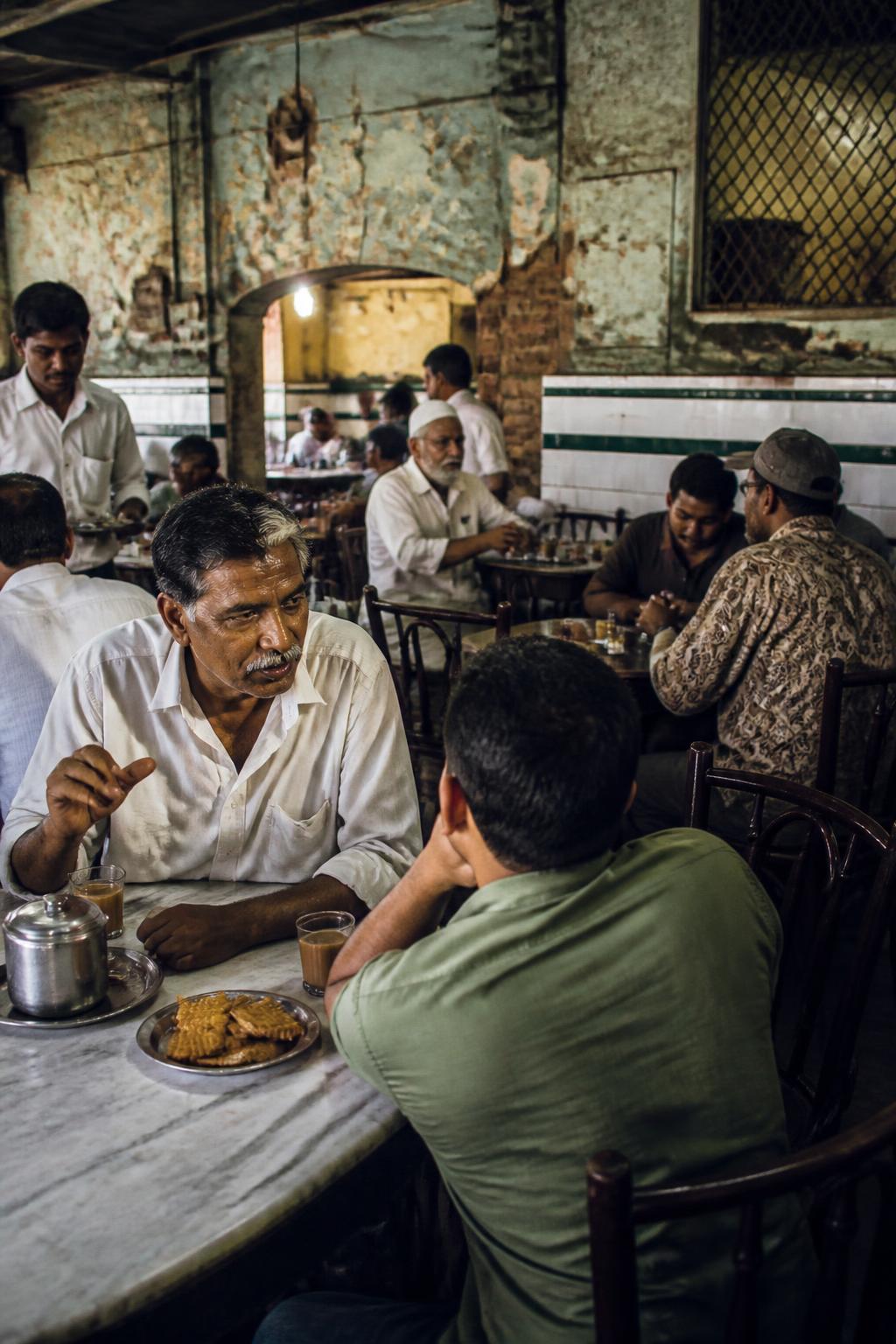
Migration carried the café tradition, but local taste gave the beverage its Hyderabad identity. The city’s preference for richer milk and pronounced sweetness helped shape a fuller, creamier drink. That adaptation is the heart of the story. Irani chai is neither presented as wholly Persian nor detached from its migrant history; it is a record of both. Persian and Iranian influences supplied the route and café culture, while Hyderabad supplied the setting in which the drink became an everyday institution. A familiar name can therefore describe movement without implying that the final form stayed unchanged.