The festival was already ancient
Ganesh Chaturthi did not begin with the nationalist movement. The worship of Ganesha and the festival’s religious observance are much older. Before the modern sarvajanik form expanded, celebrations were closely associated with households, temples and established communities. That distinction matters because it keeps the history precise: Lokmanya Tilak did not invent Ganesh Chaturthi. His intervention changed the public scale, organization and civic possibilities of its celebration in Maharashtra.
Ganeshotsav moved into a larger public space
Official Maharashtra sources identify 1893 as the turning point when Lokmanya Bal Gangadhar Tilak helped transform Ganesh Chaturthi into a grand public celebration. The sarvajanik model allowed neighbourhoods and associations to organize shared pandals and programs. A festival already rooted in devotion could now gather larger groups in visible, recurring public settings.
The pandal created room to meet
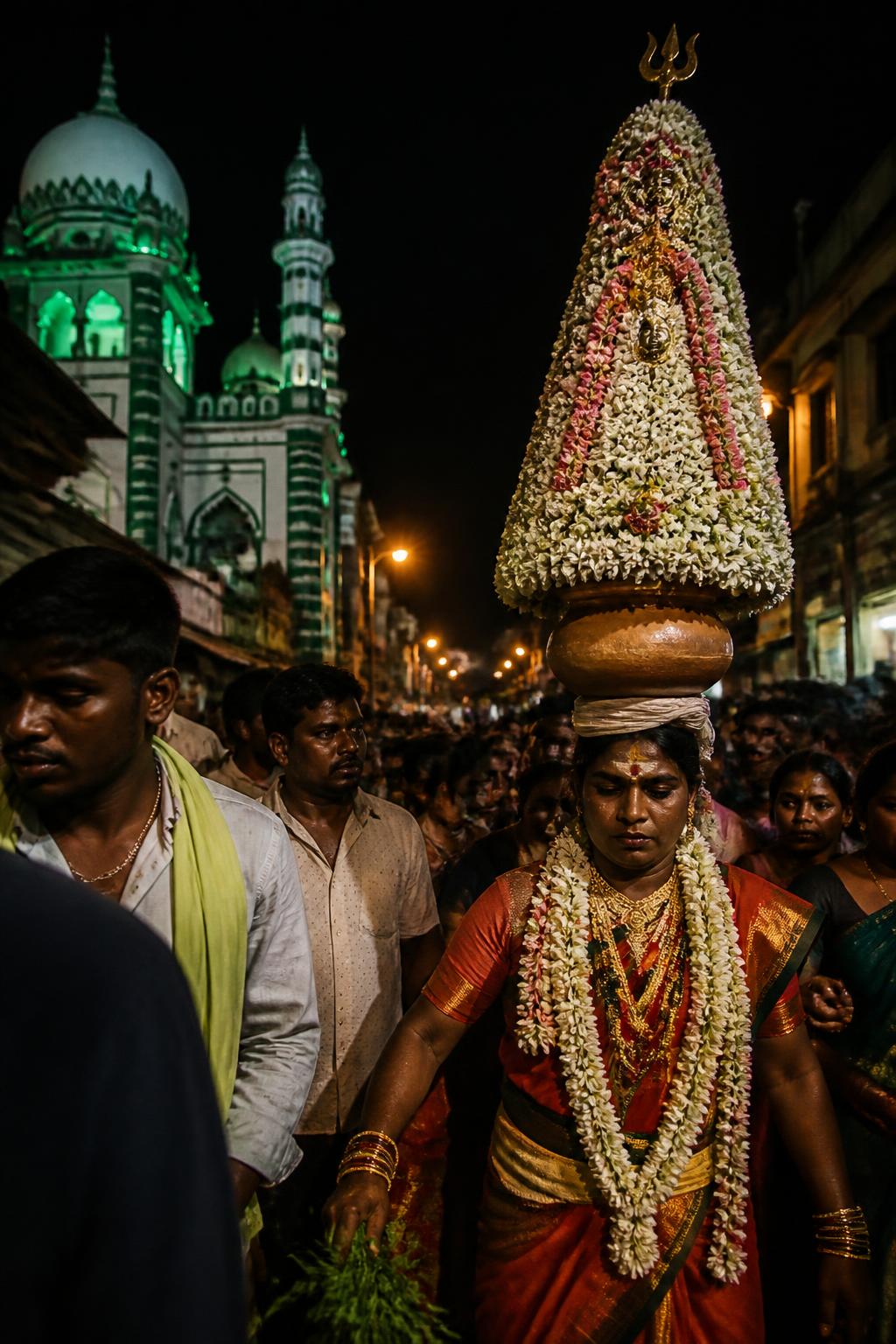
The public festival brought people together through worship, processions, music, speeches and collective preparation. The significance was not that every gathering was identical, but that the festival created a regular social space. Communities could assemble around a shared cultural occasion at a time when political organization under colonial rule faced restrictions and surveillance.
Celebration became conversation
Public Ganeshotsav developed a cultural life beyond ritual alone. Music, performance, storytelling and discussion could turn the pandal into a place of shared learning. The devotional centre remained essential, yet the surrounding program gave communities a way to encounter social and political ideas together. The festival’s public form made culture itself part of civic participation.