Mulligatawny remembers milagu-tannīr
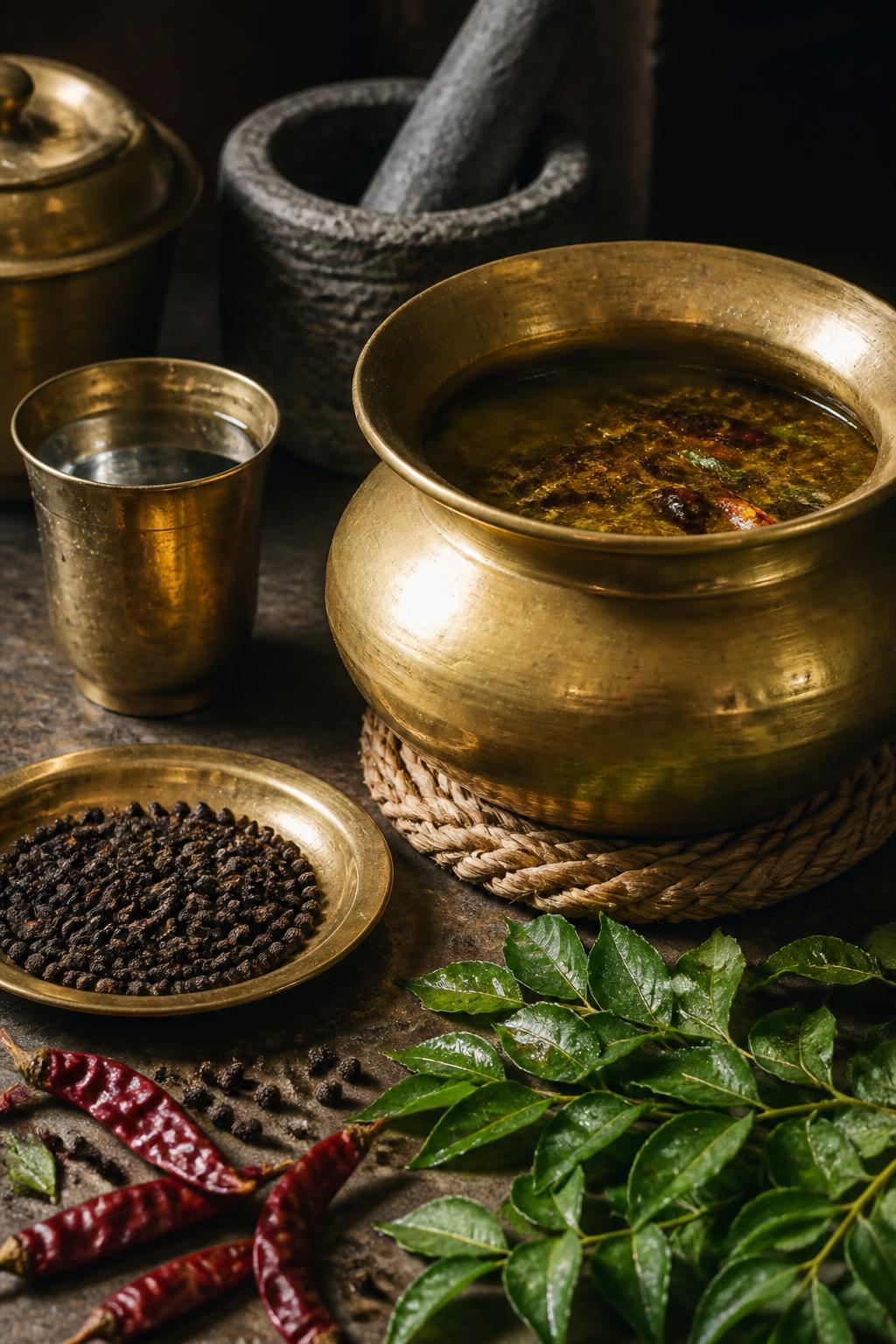
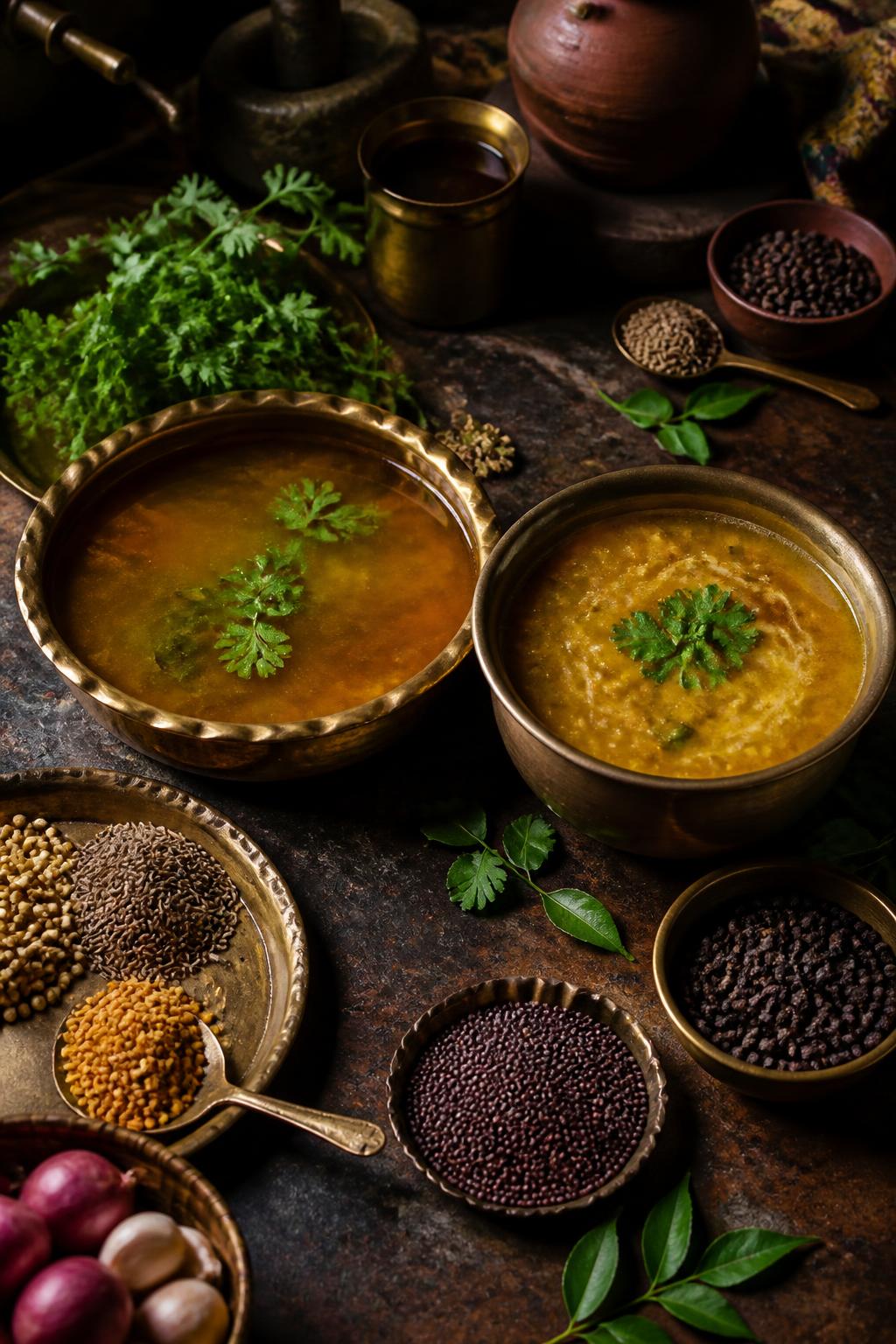
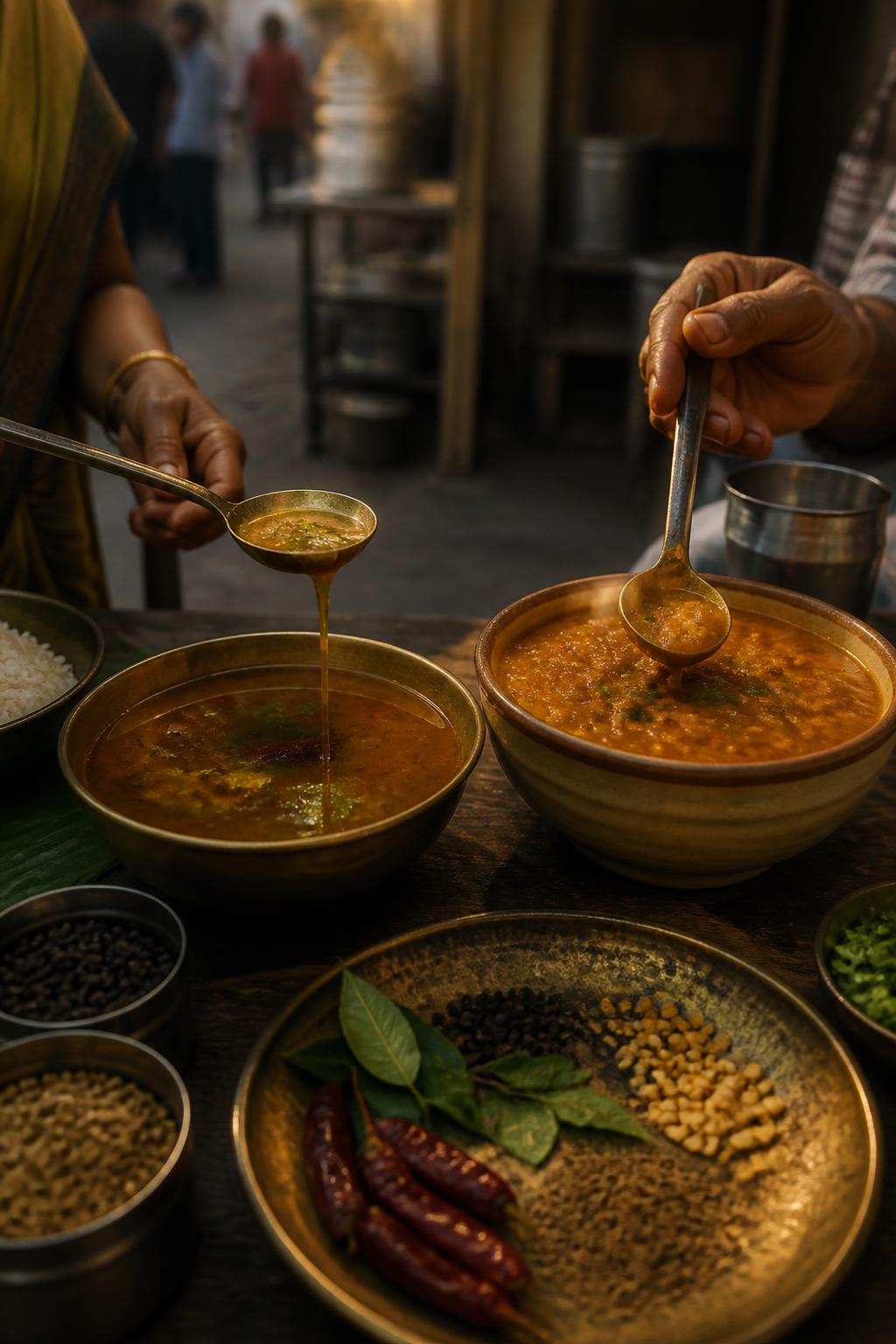
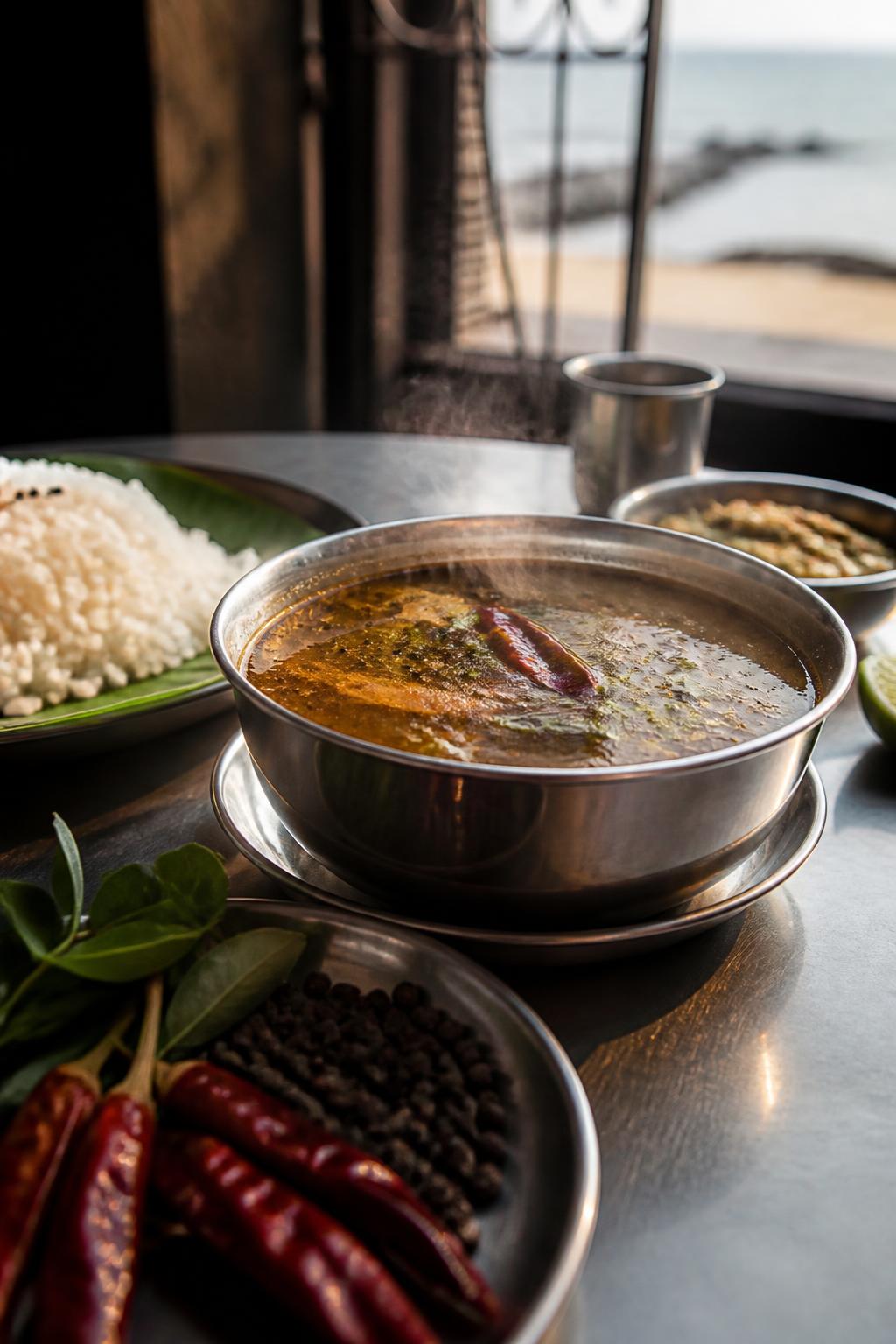
The word itself preserves the dish’s earliest story. Hobson-Jobson, a historical Anglo-Indian dictionary, defines “mulligatawny” as a corruption of the Tamil milagu-tannīr—“pepper-water”—and links its origin to Madras. A source quoted in the same entry describes mulugu tanni as a hot vegetable soup made chiefly from pepper and capsicums. That makes the name more than a curious bit of colonial spelling: it points back to a Tamil peppery broth and to the city now known as Chennai.
Madras changed the setting—and the format
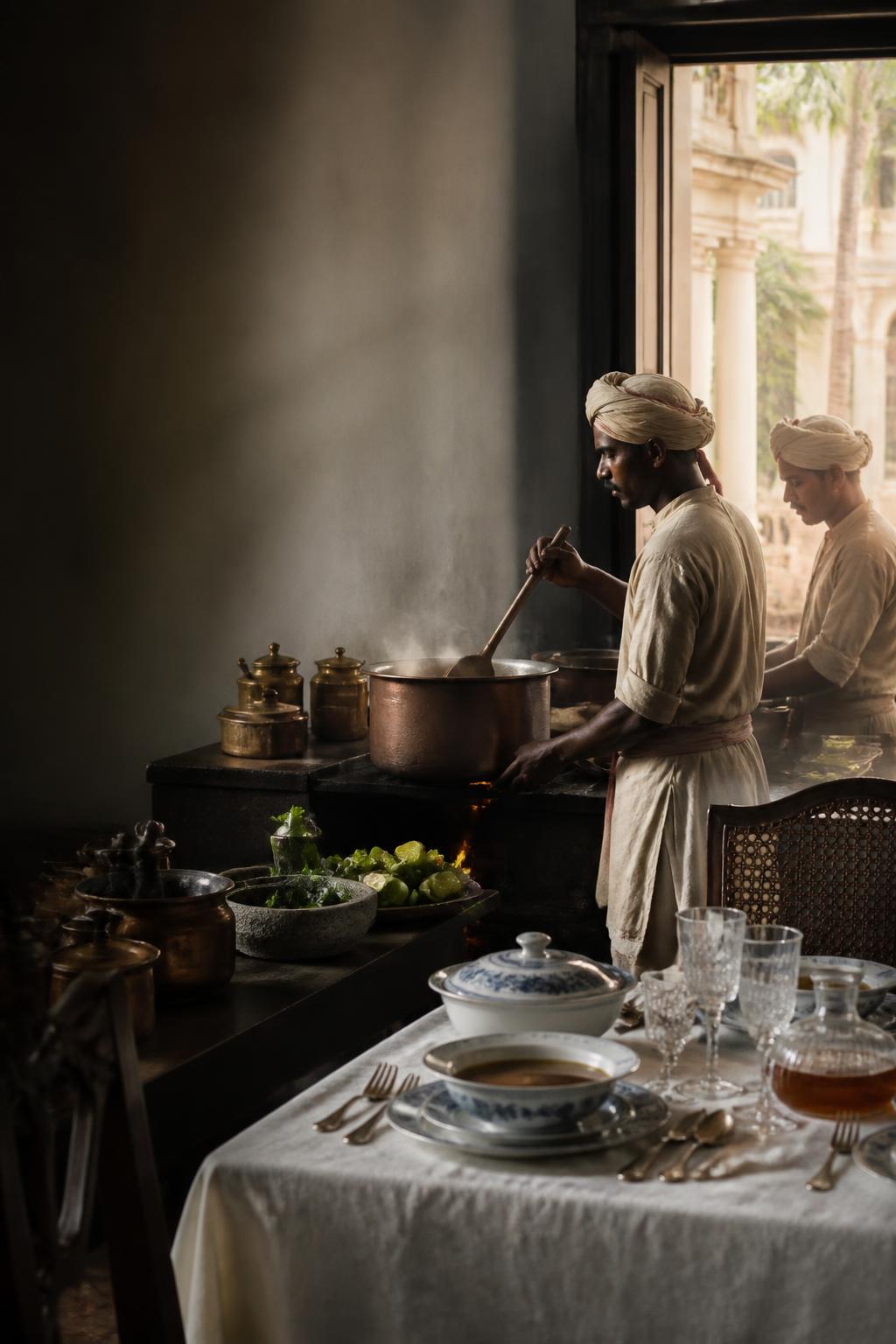
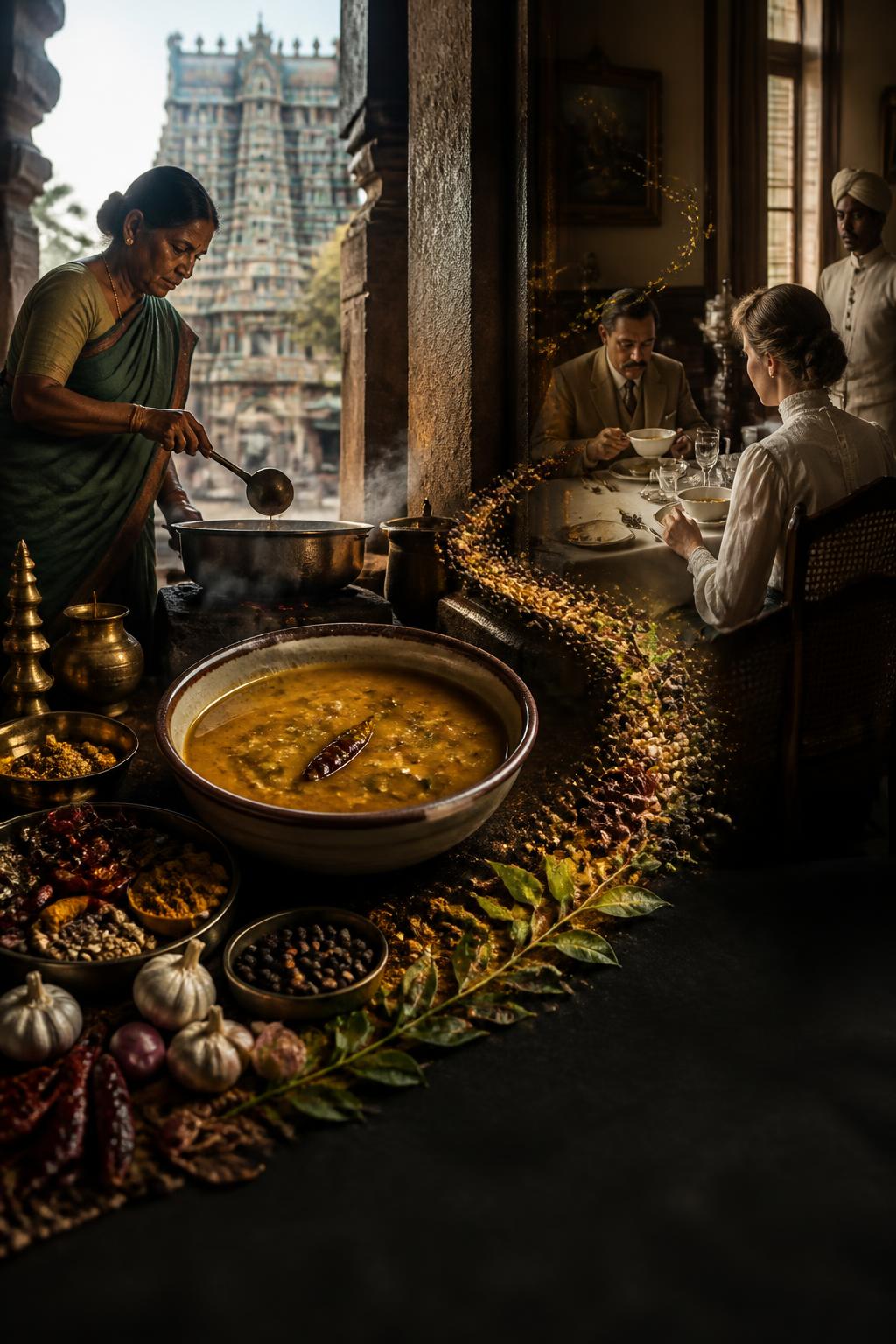
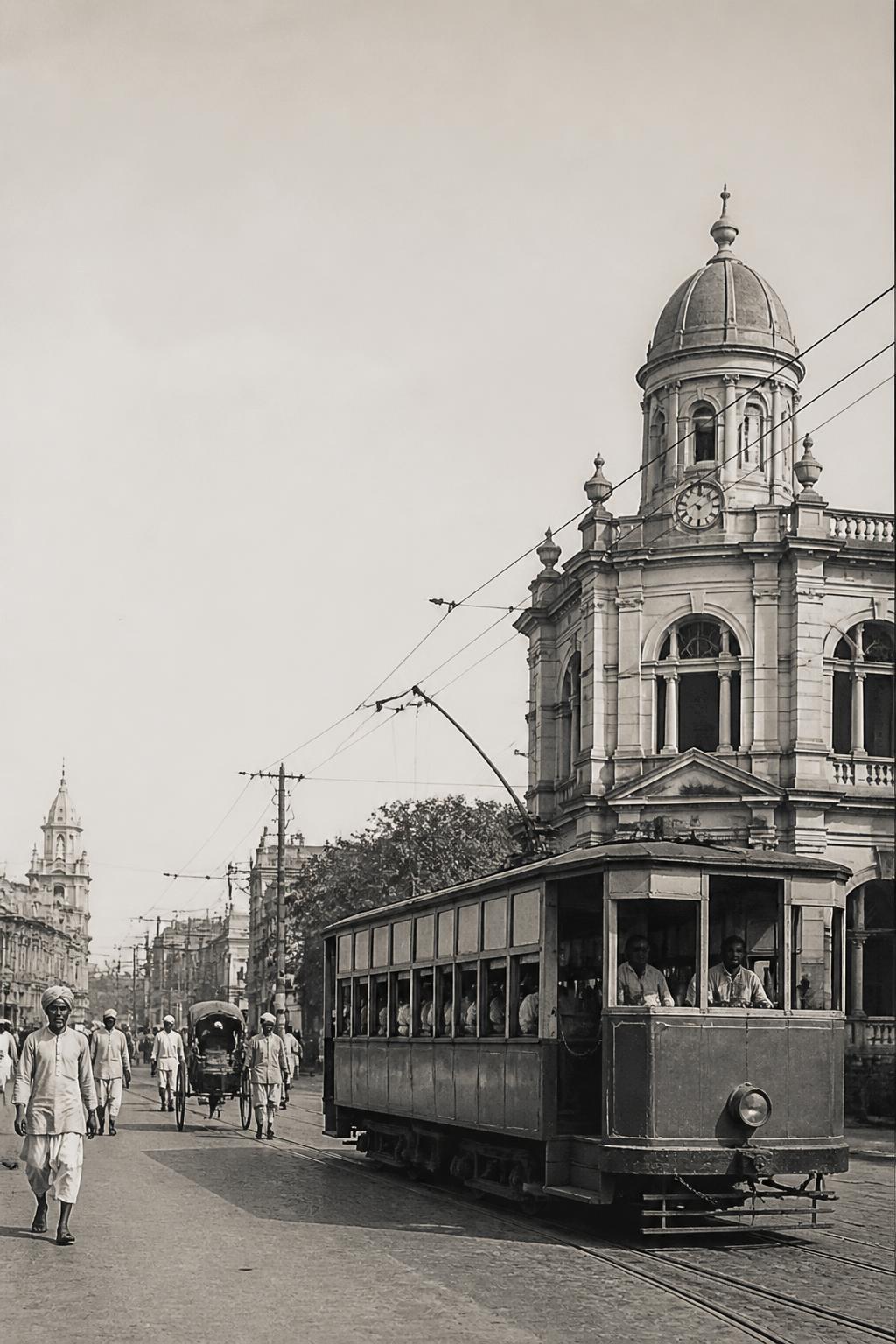
A Chennai food-history account describes mulligatawny, or mollaga/milagu tanni, as a Madras Anglo-Indian creation that emerged when British diners asked local cooks for a soup. In that setting, pepper-water was adapted for colonial dining rather than served unchanged as everyday rasam. The transformation is important: the evidence supports a Tamil or rasam-like origin, followed by substantial changes in how the dish was prepared and presented. Mulligatawny’s history is therefore not a simple claim that every bowl bearing the name is rasam. It is the story of a local broth becoming a new soup form.