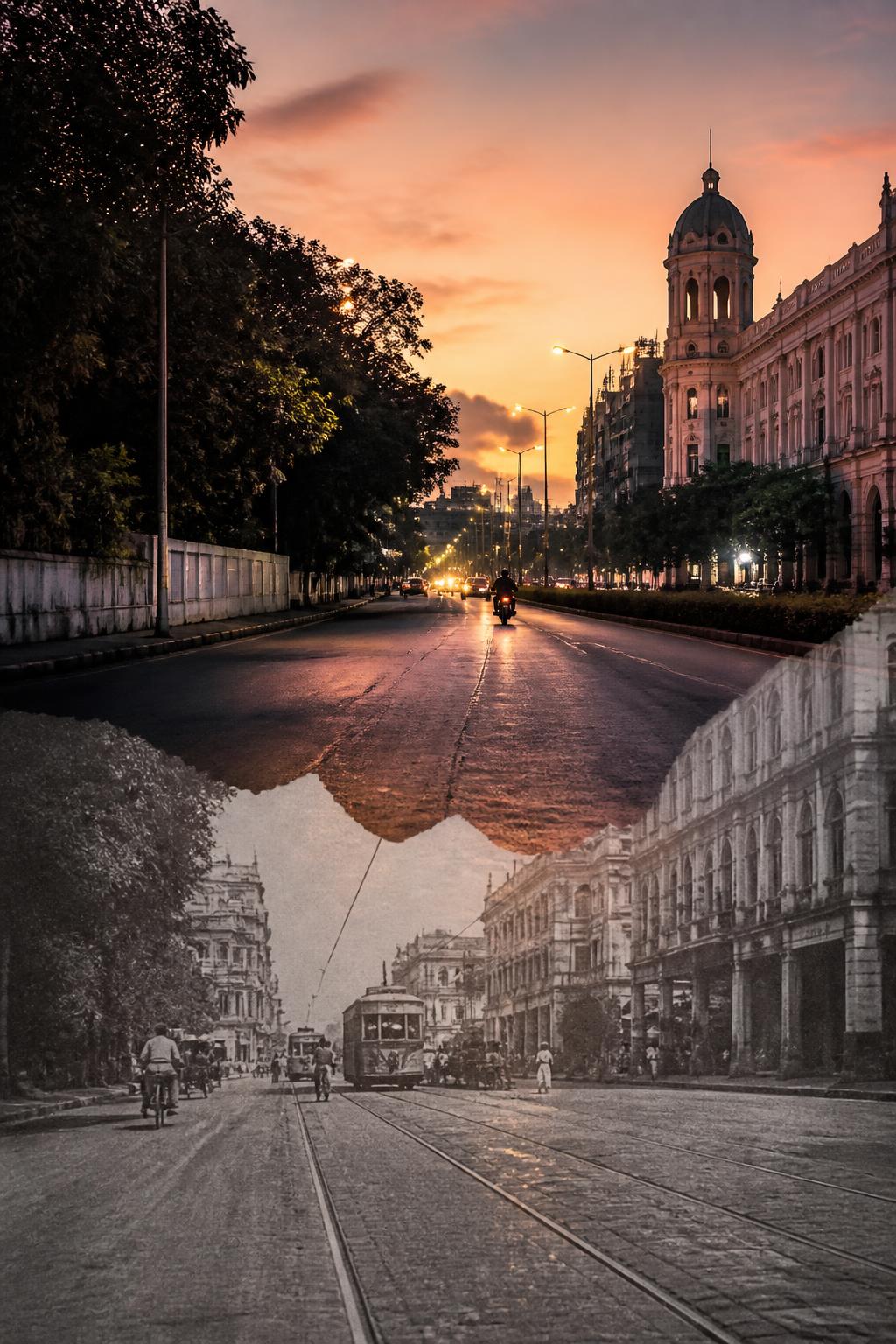
Madras was an early electric-tram city
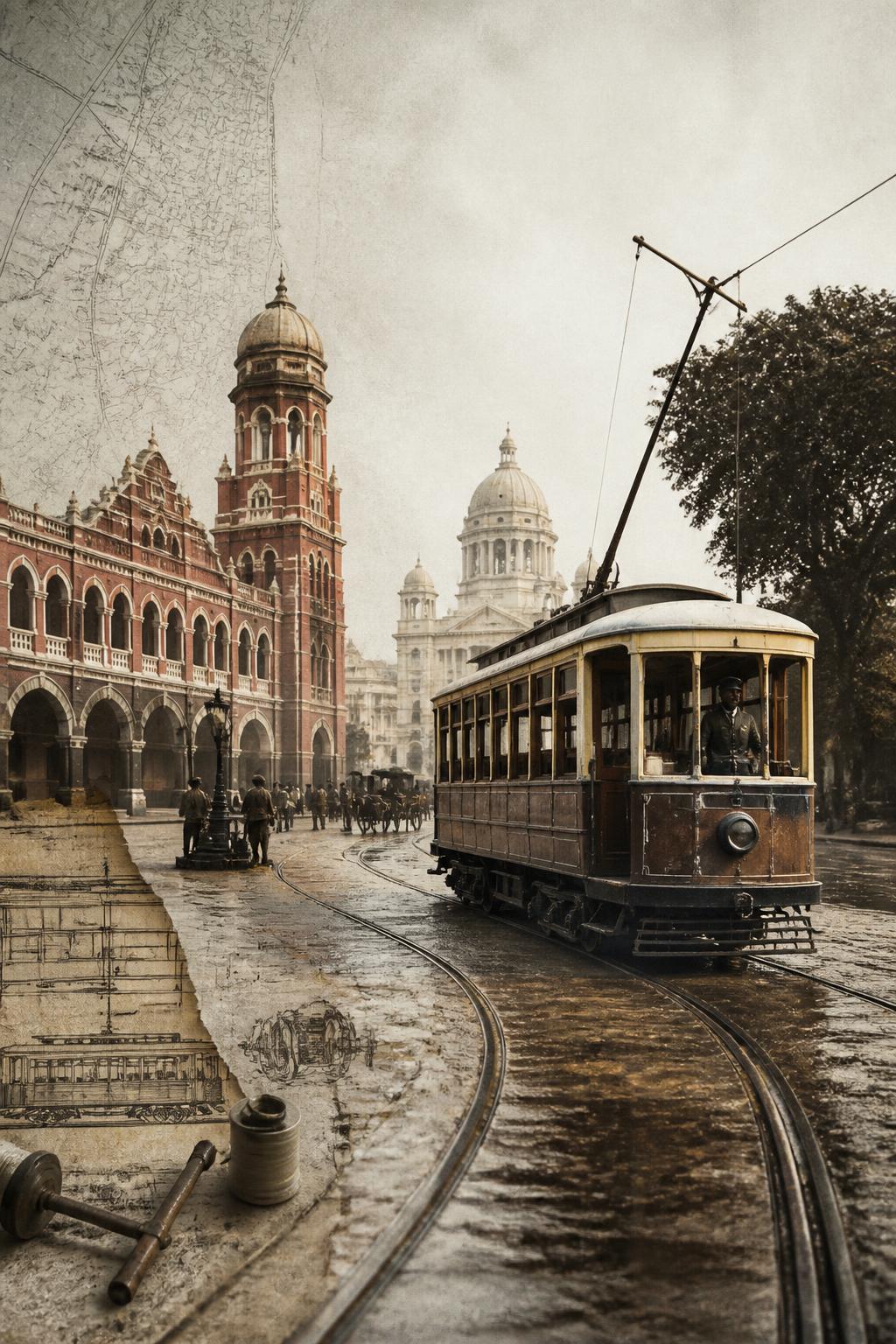
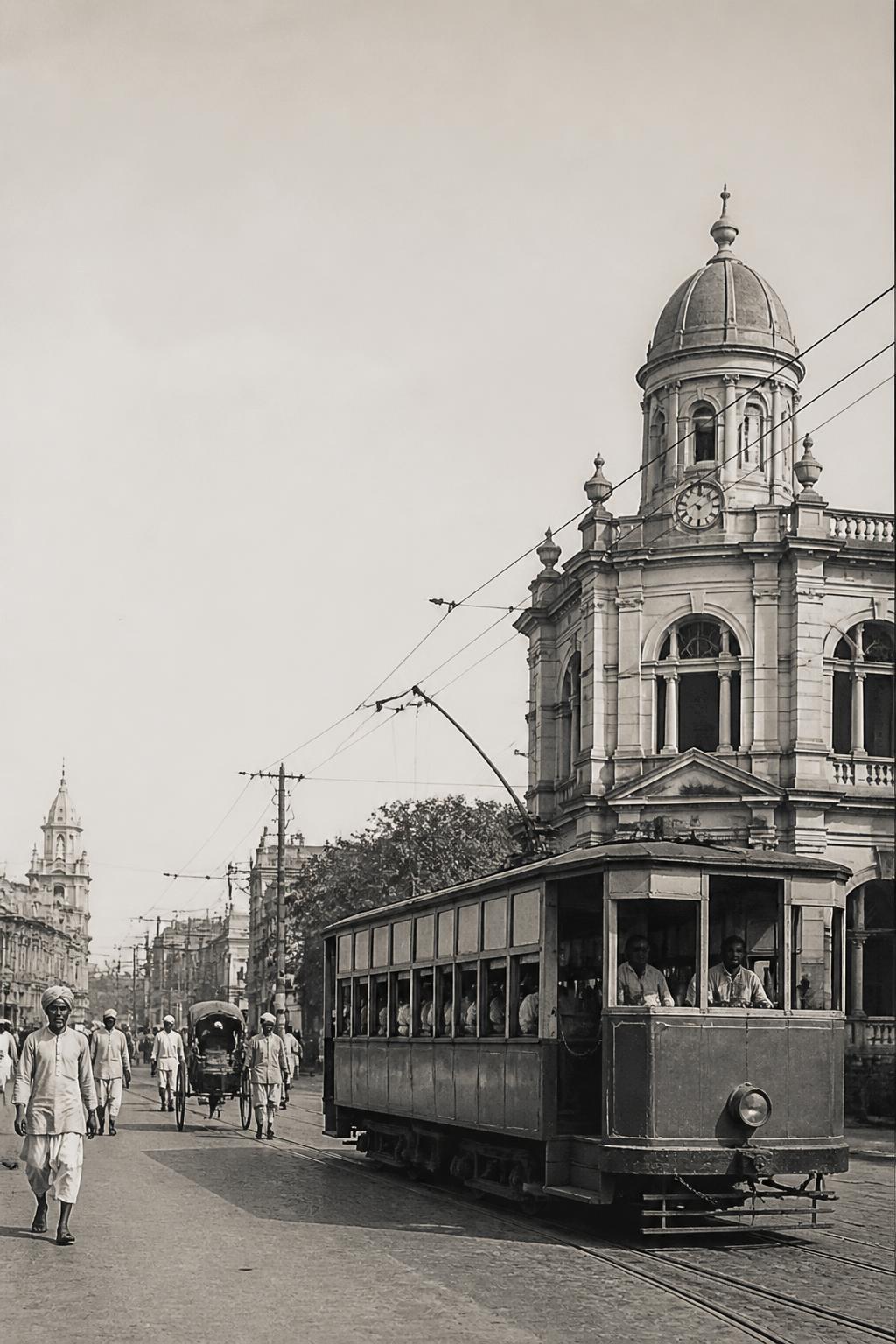
The first Madras electric tram section opened for public use in 1895, with service inaugurated on May 7. The 1961 Census of India described Madras as having introduced tram-car service six years before any other Indian city. Early infrastructure used an underground-conduit system; later, the network used overhead wires. What began as a new form of urban transport became part of the city’s daily movement through the central districts.
The lines followed the city’s familiar geography
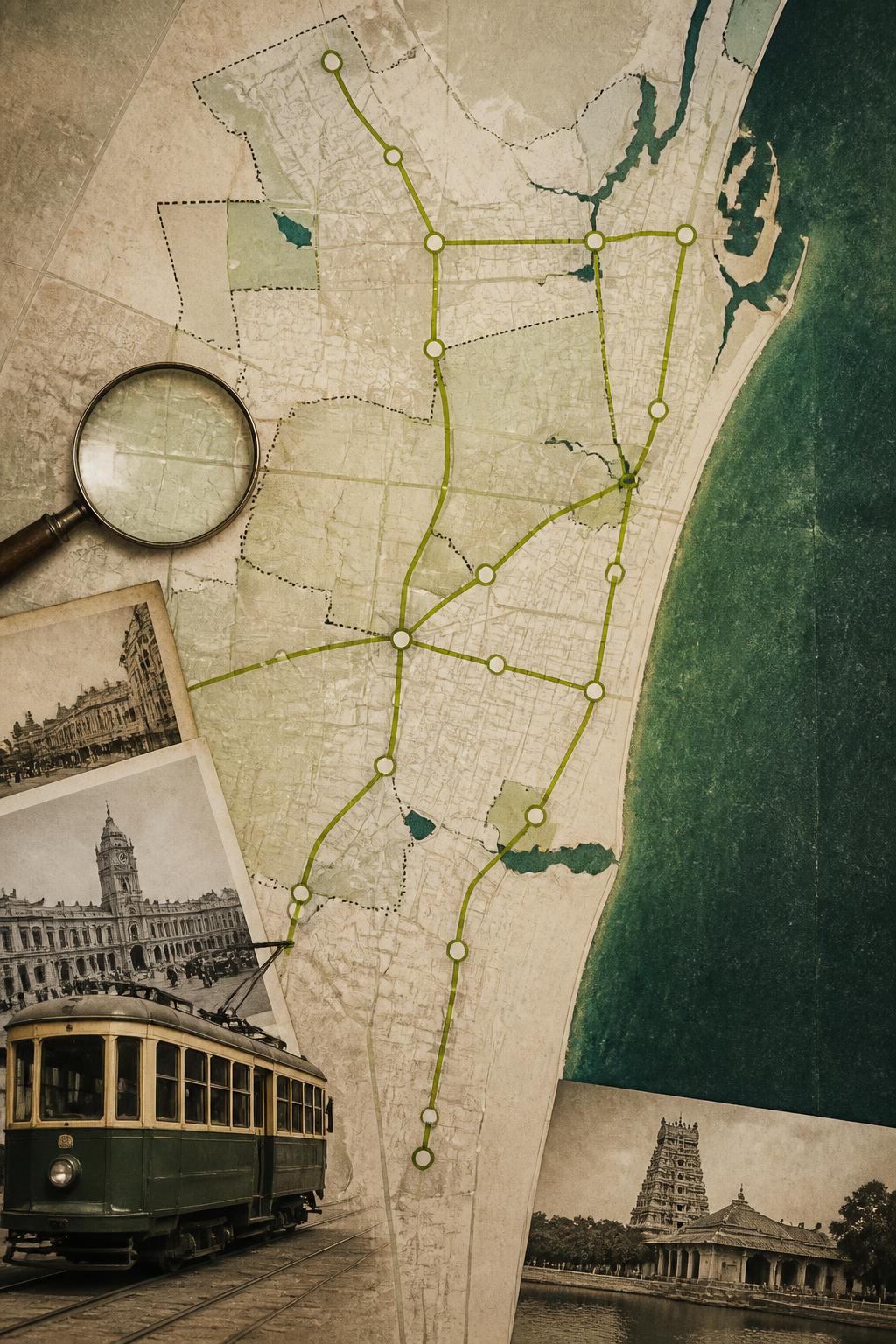
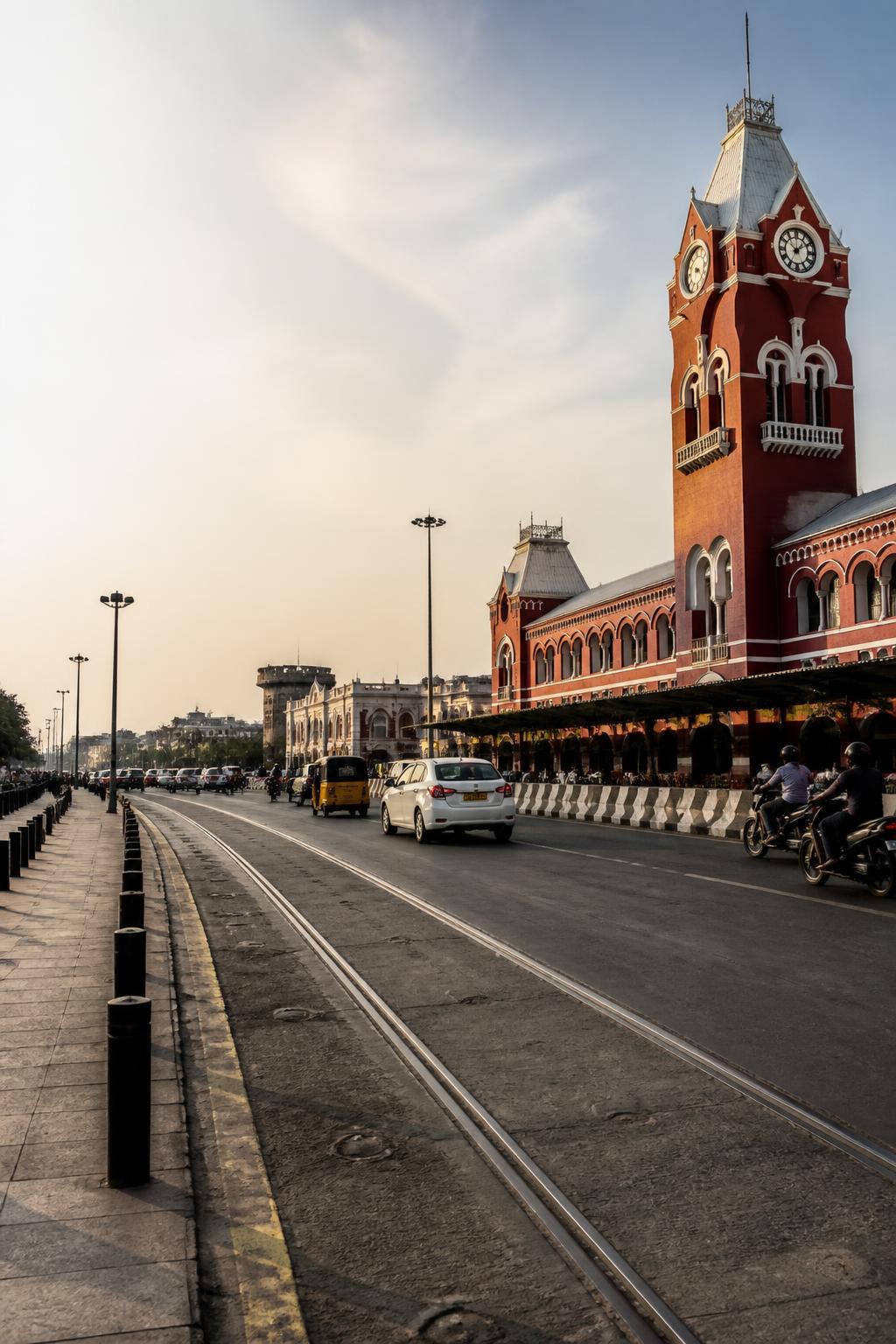
By the early 20th century, the tram network connected major corridors that remain recognisable today. Routes ran between Mylapore, Parry’s Corner and Royapuram; Triplicane and Washermanpet; Purasawalkam and Parry’s Corner; and Egmore, Parry’s Corner and Royapuram. A surviving Madras Electric Tramways timetable reproduced by Chennai Customs lists stops including Custom House, Central Station, Royapettah, Luz Church Road, Mylapore Terminus, Choolai and Washermanpet. The names make the old system feel less like a vanished curiosity and more like an earlier layer of Chennai’s current map.
This was not a small heritage line
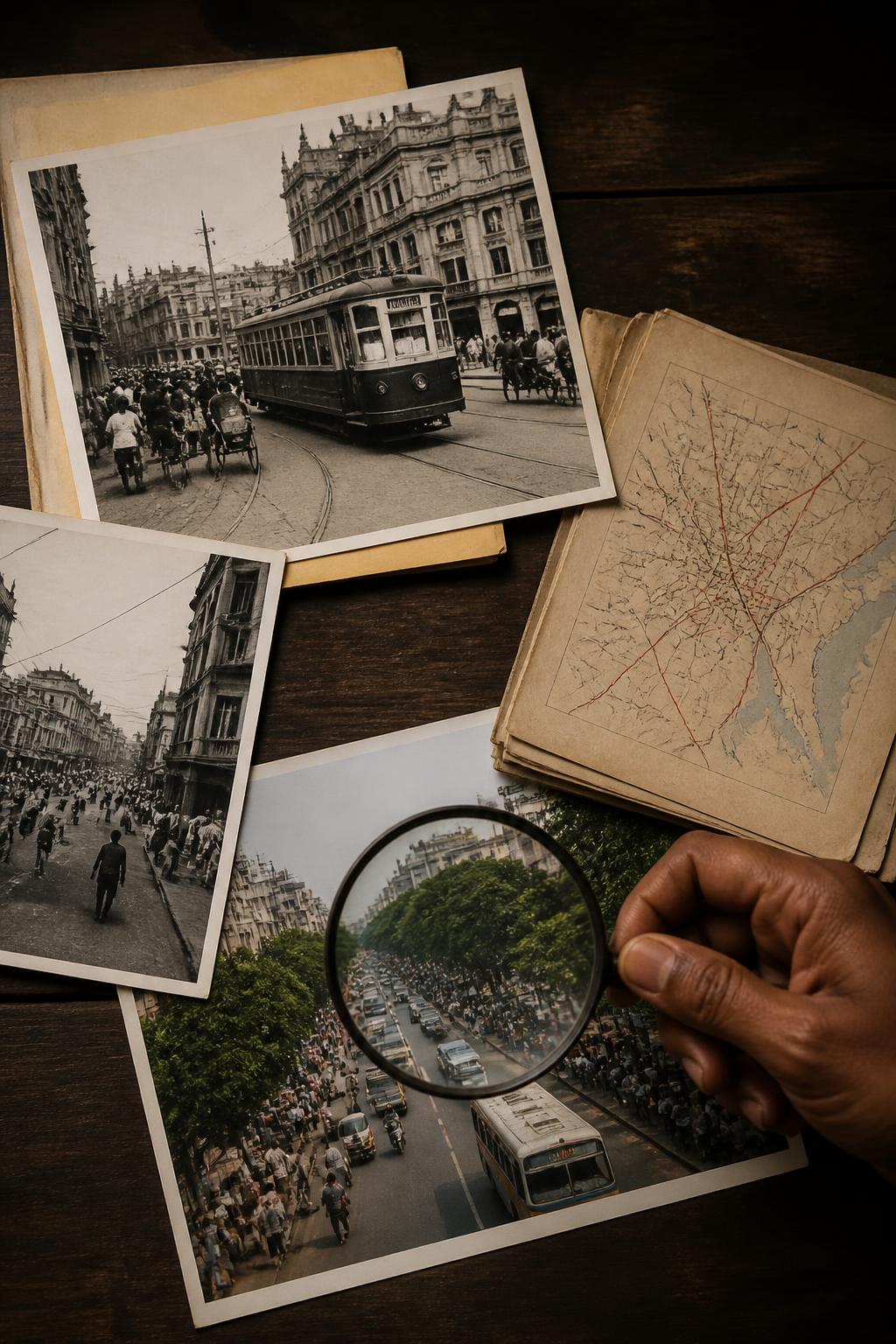
The tramways served a substantial daily movement of people. The 1961 Madras City Census report recorded approximately 11 miles of double track and 5.25 miles of single track, along with about 1.25 lakh passenger journeys per day. That scale helps explain why the system mattered beyond its technology: it connected commercial areas, railway points, neighbourhoods and the docks through a network laid across the city’s busiest corridors.