CP Tank was once a tank—not just a neighbourhood
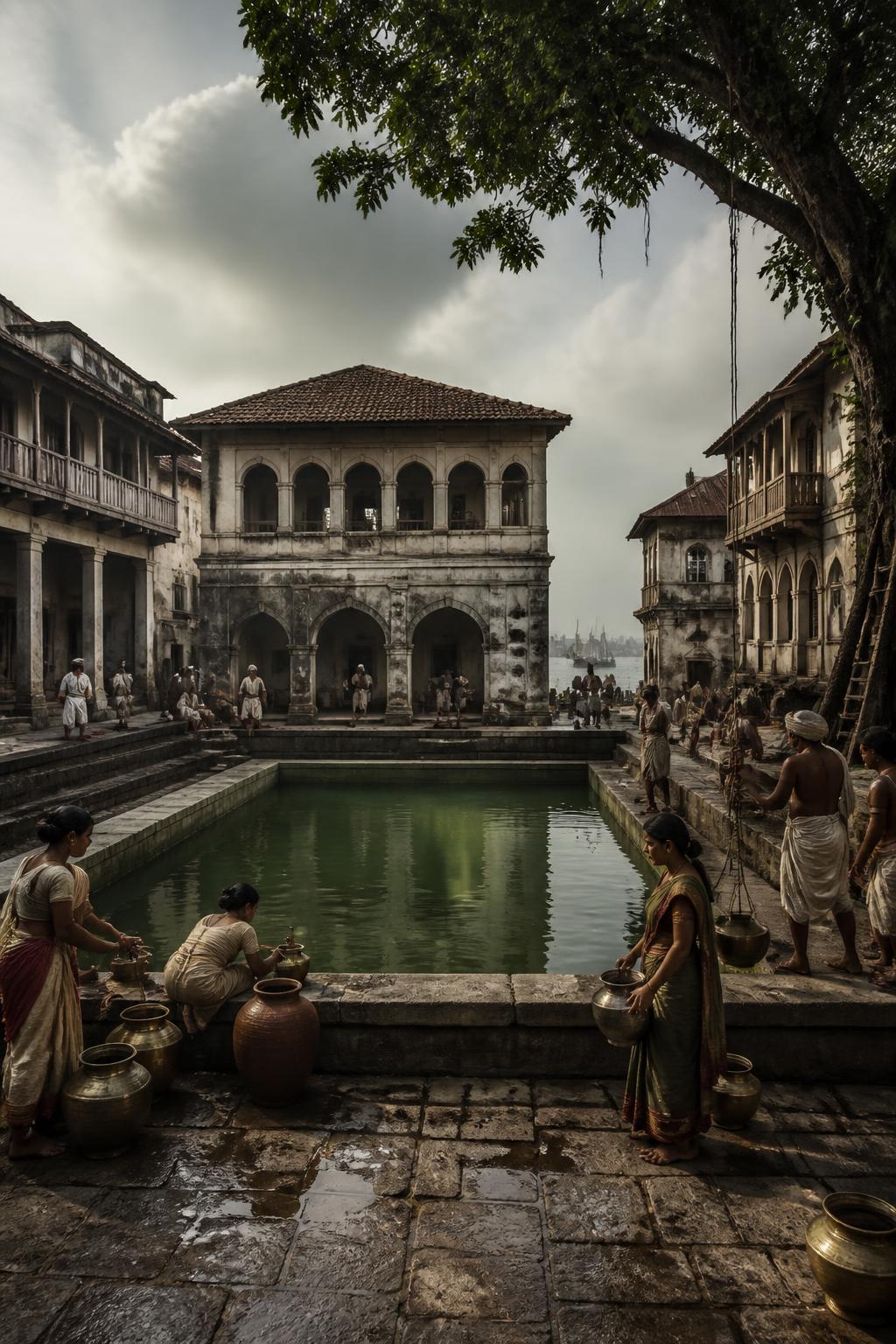
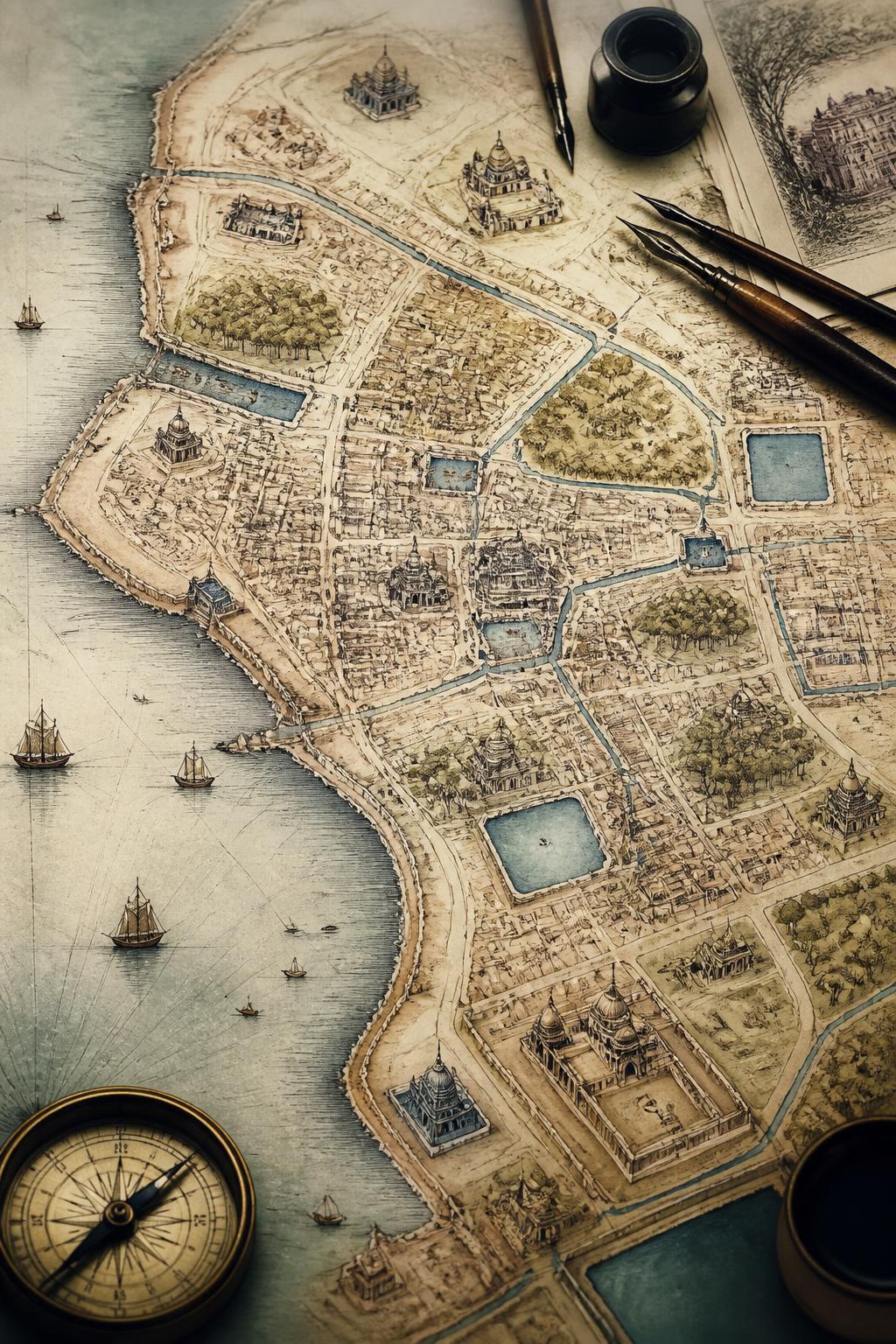
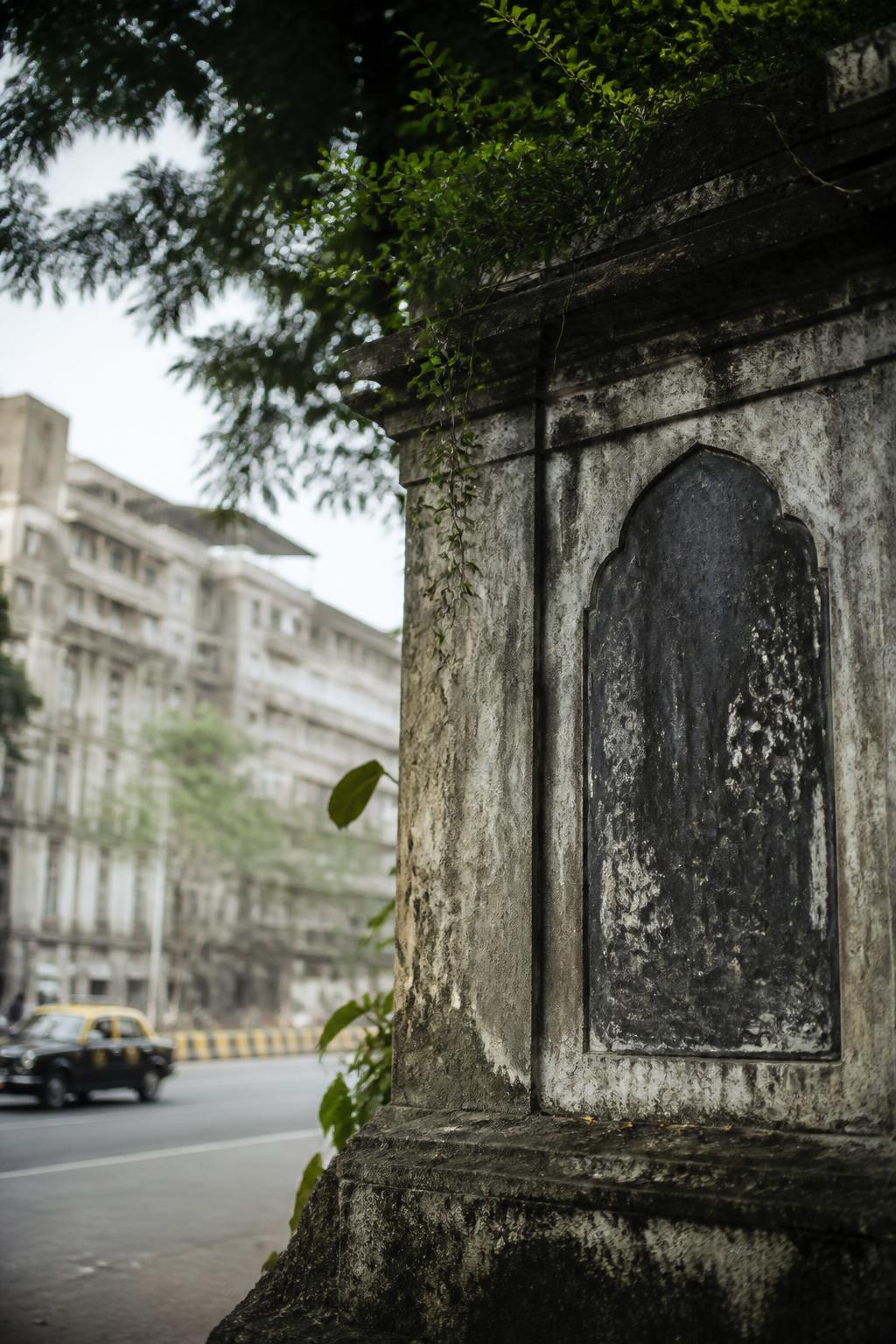
Today, “CP Tank” reads like an ordinary Mumbai place name. It is also a compressed piece of infrastructure history: the initials recall Cowasji Patel Tank, built in Girgaon in the 1770s to provide drinking water. Sources differ on whether construction took place in 1775 or 1776, so the safer date is the decade itself. The tank is gone, but the name remains as a kind of urban label—one that quietly records what the neighbourhood once depended on. In Mumbai, a map can preserve a vanished structure even after the structure itself has disappeared.
The names form a water map beneath modern Mumbai
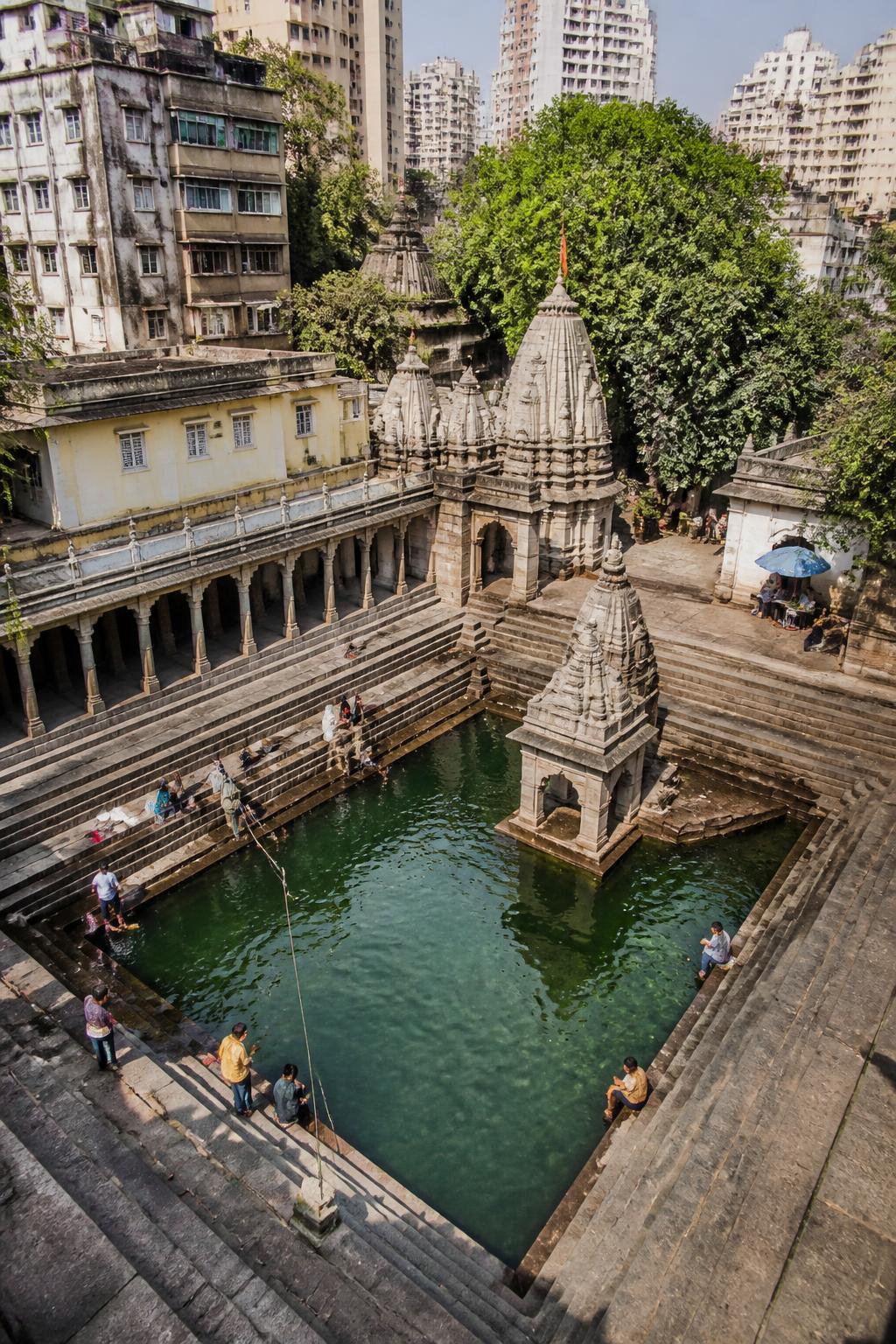
CP Tank was not an isolated feature. Historical accounts identify a network of ten prominent tanks, including Gowalia, Khara, Two Tanks, Babula, Nawab, Framjee Cowasji, Mumbadevi, Banganga and Bandra. Their names point to a time when Bombay’s public water supply relied heavily on wells, tanks and fountains. These facilities were built by donors from multiple communities, making the city’s water history also a history of public philanthropy. The surviving names are therefore more than neighbourhood markers: together, they suggest the scale and reach of an older civic system.