A breakfast classic with a shortage behind it
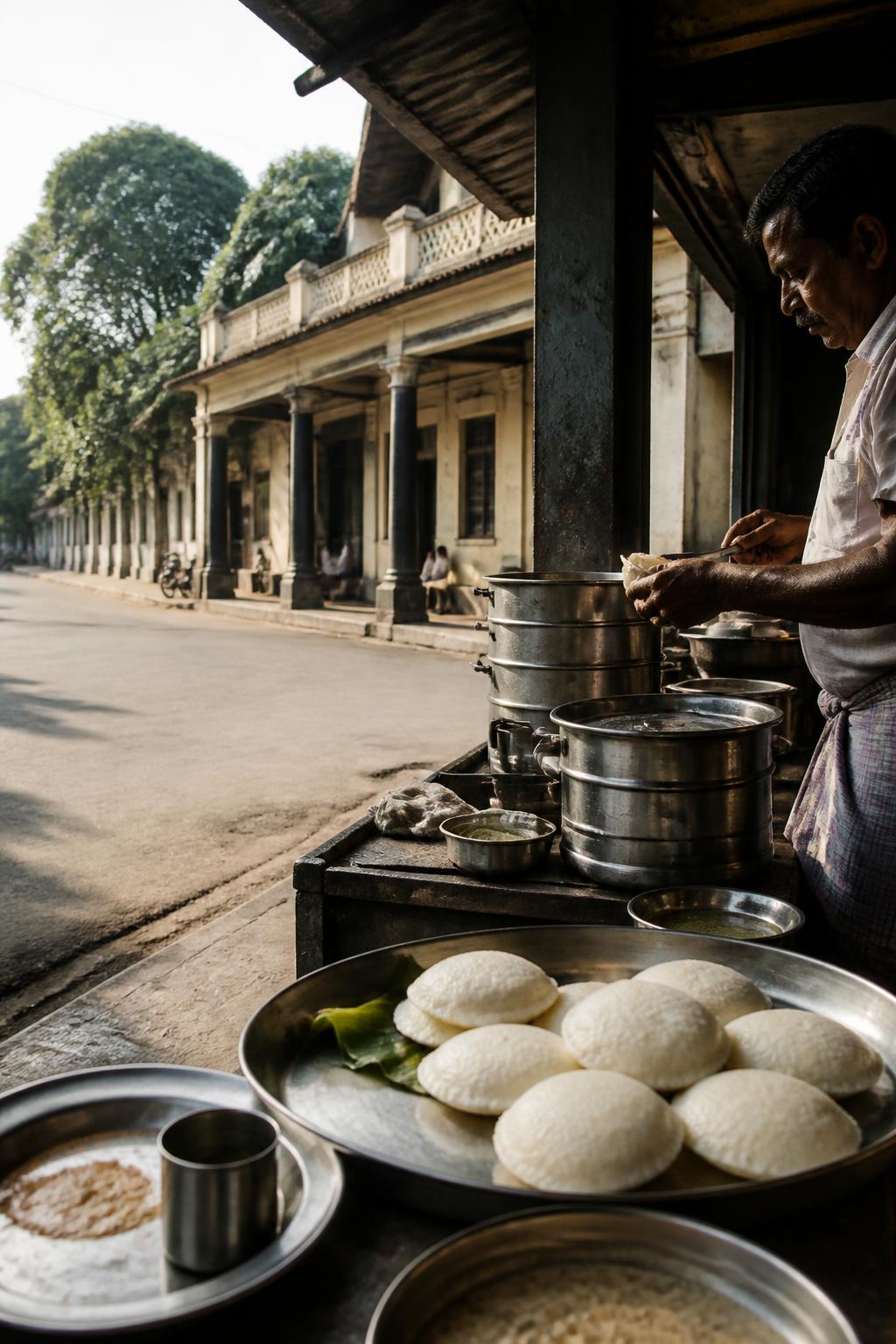
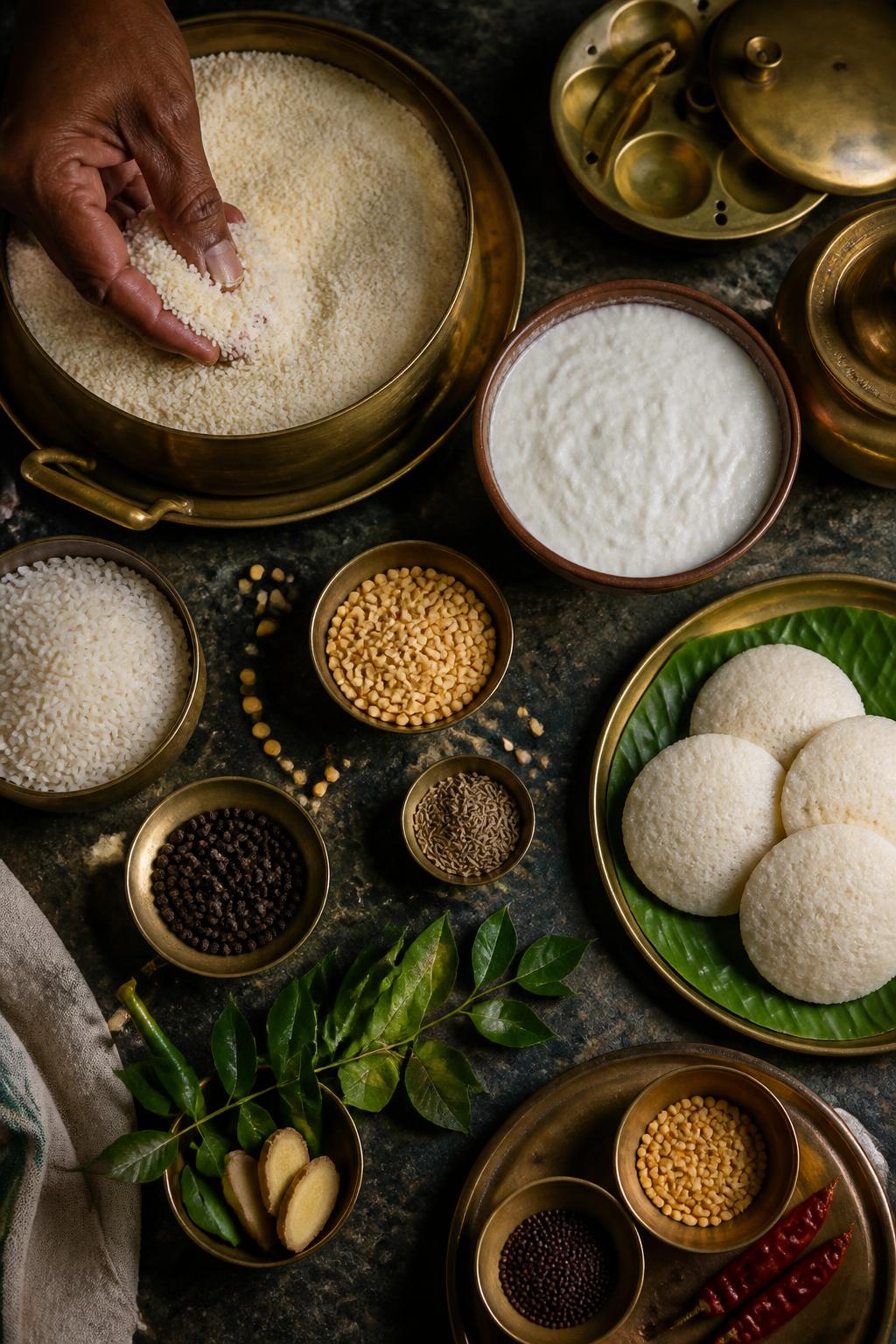
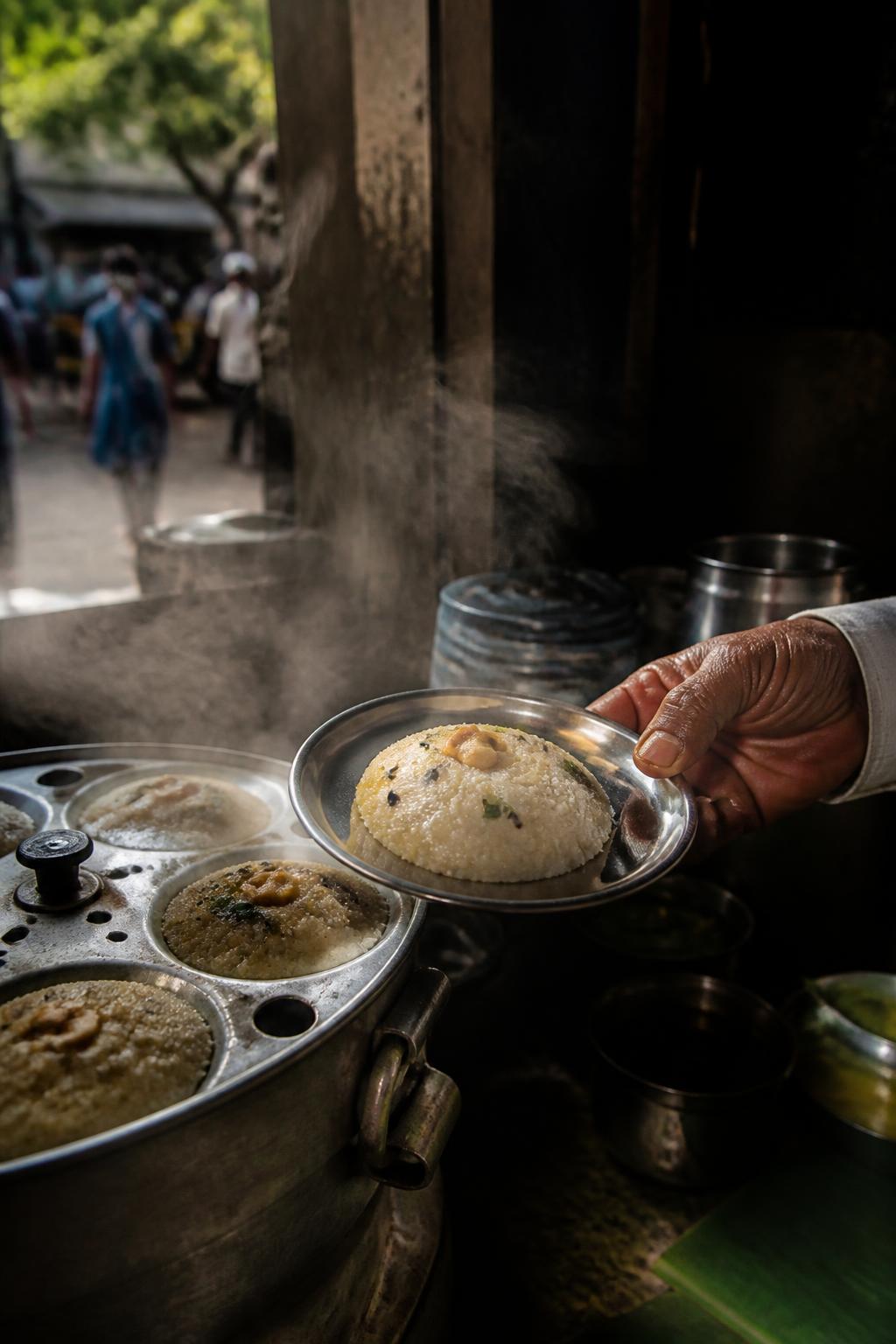
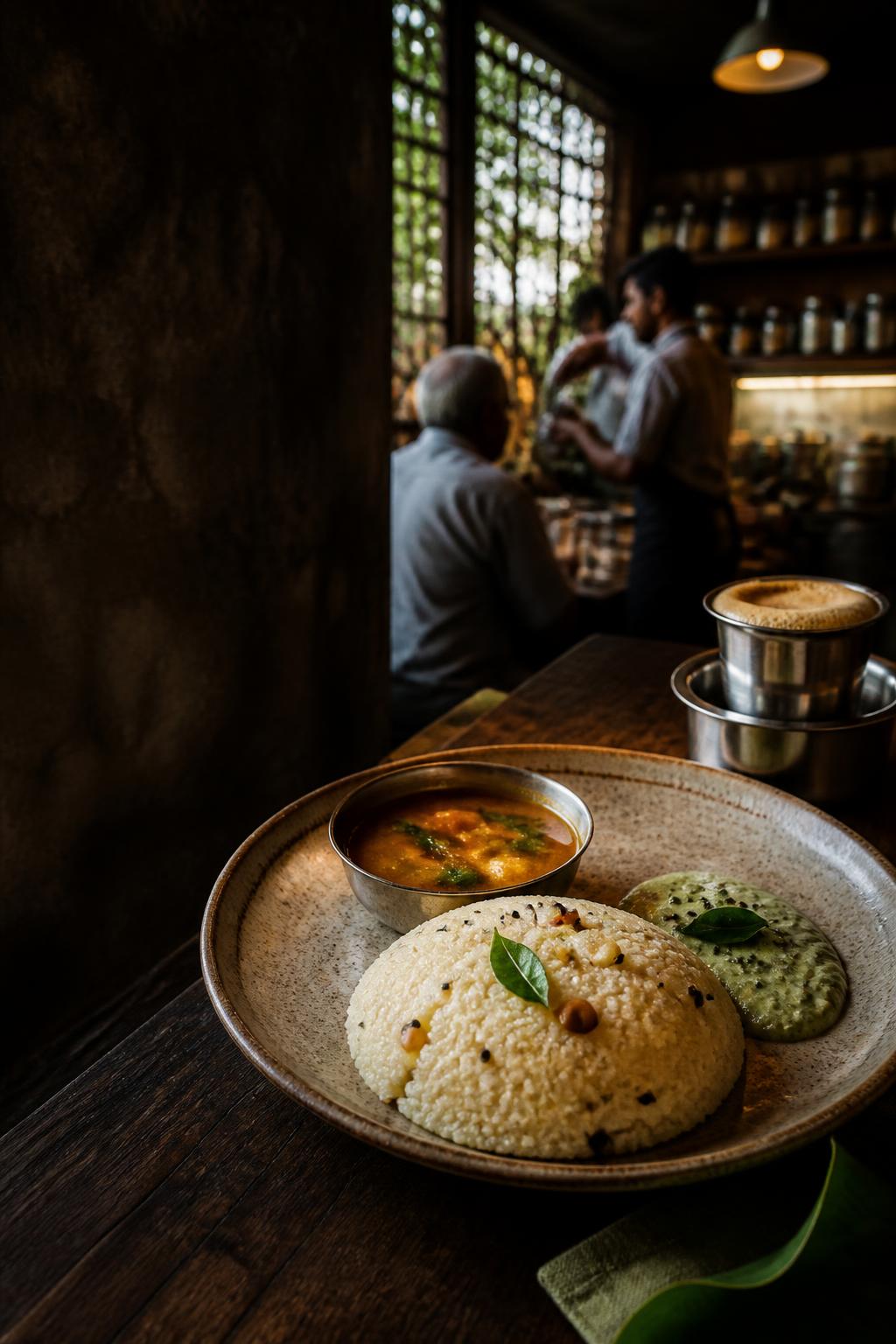
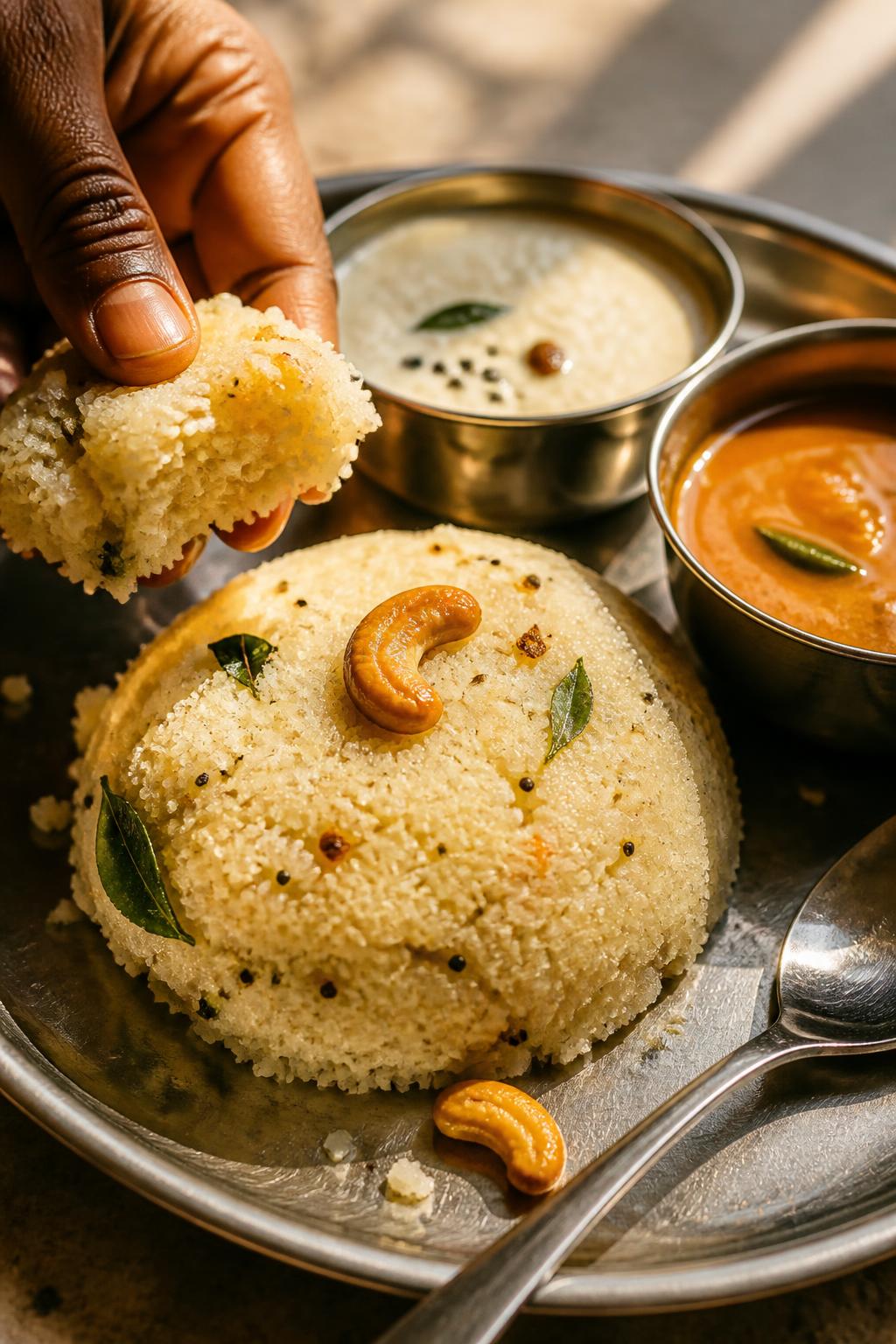
Soft, grainy and often finished with cashews and seasoning, rava idli can feel like a dish that has always belonged to South Indian breakfast. Its documented story is less timeless—and more improvised. The dish is widely credited to Mavalli Tiffin Rooms, or MTR, in Bengaluru, where it emerged as a way to keep serving an idli-like breakfast during a period when rice was difficult to obtain. That makes the plate in front of you part of a larger story: a restaurant adapting its kitchen to a disruption far beyond it.
MTR started on Lalbagh Fort Road
MTR’s story began in Bengaluru in 1924 as the Brahmins’ Coffee Club on Lalbagh Fort Road. It later became Mavalli Tiffin Rooms, the name associated with the rava idli story. This setting matters because the dish was not presented as an abstract wartime recipe. It was a practical answer developed inside a working tiffin restaurant—one that still needed to feed its customers when a familiar staple became harder to use.
When rice supplies dwindled
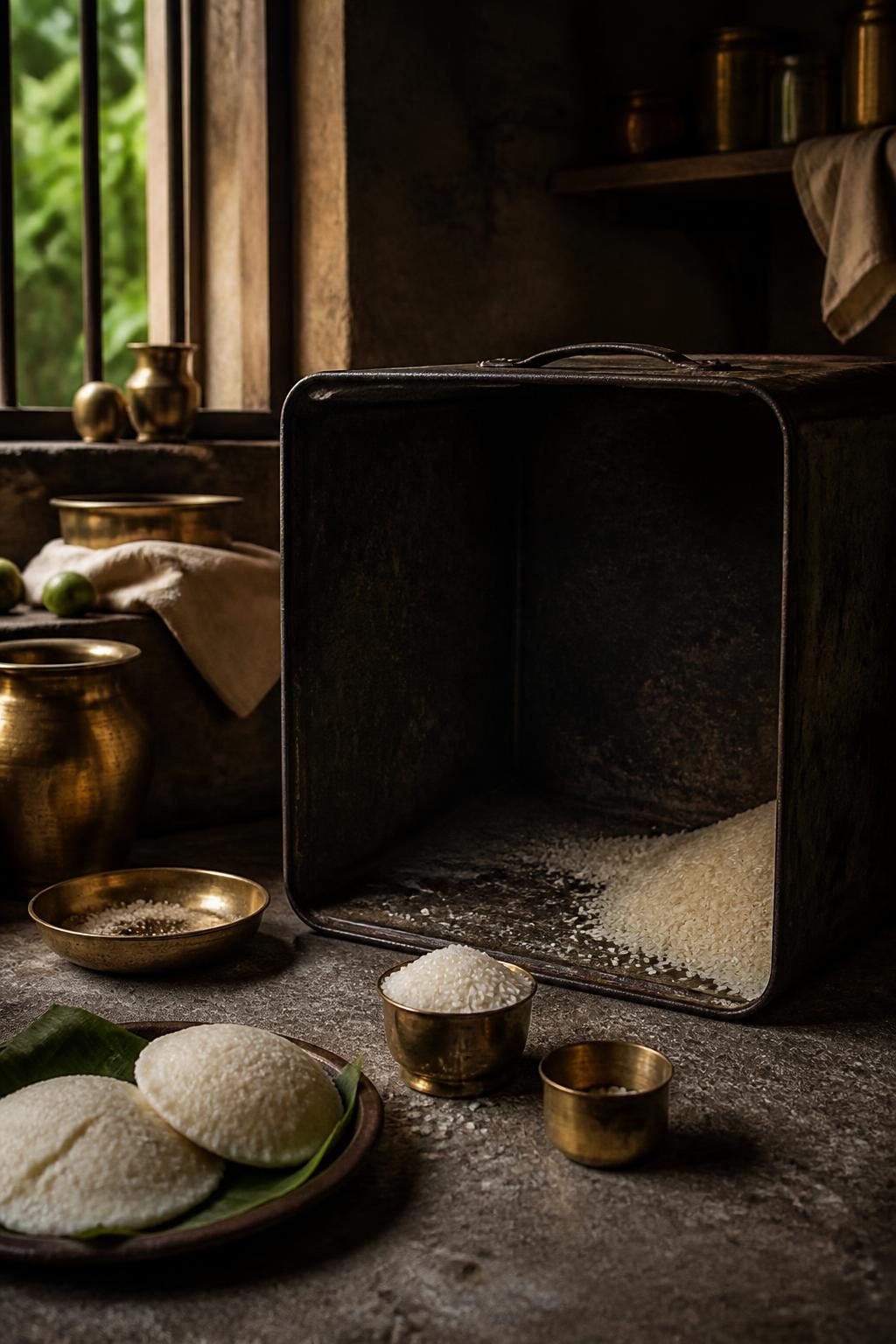
During the Second World War, rice supplies dwindled, and rice was being rationed. The usual rice-and-lentil idli batter was therefore no longer an easy foundation for the restaurant’s breakfast service. Accounts from MTR, the Maiya family and an Indian School of Business case study connect the creation of rava idli to this rice shortage. The problem was direct: how could MTR continue serving something recognisably like idli with rice constrained?